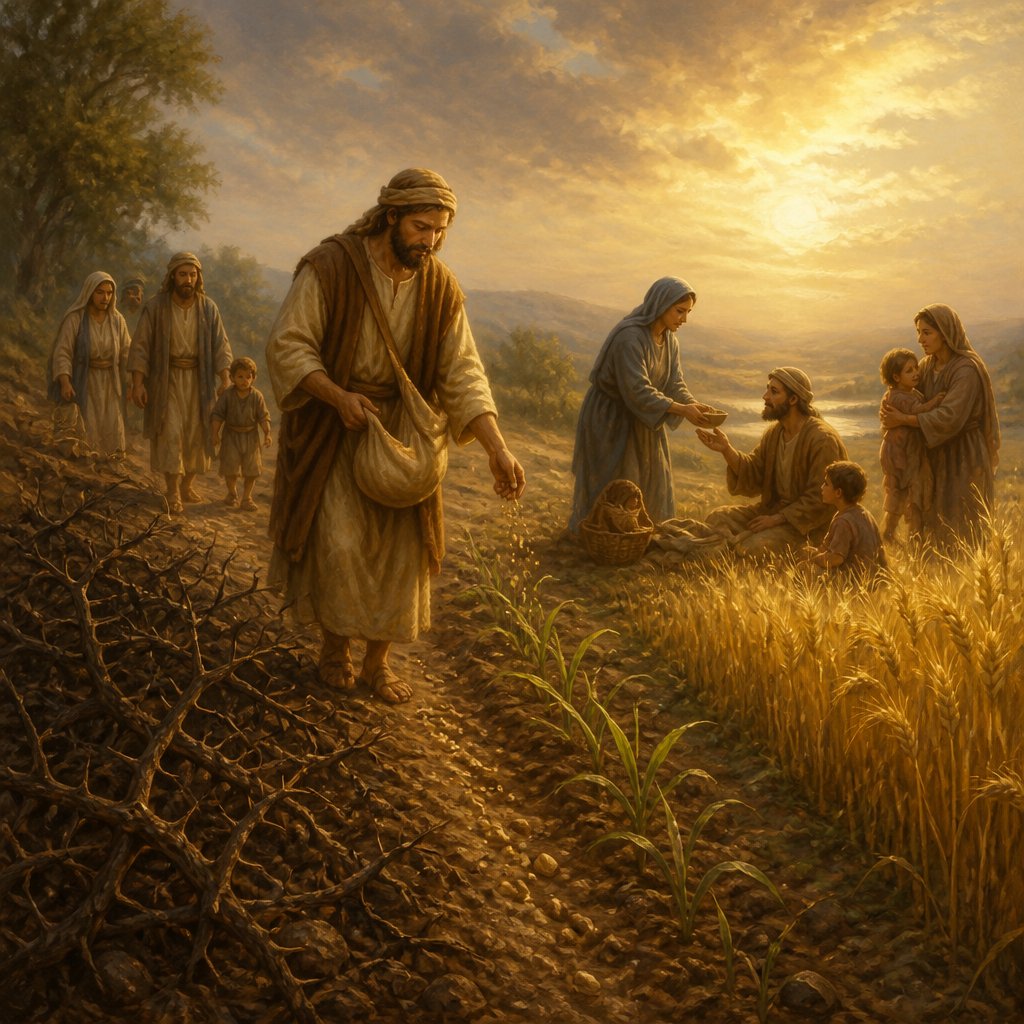
Galatians 6:7-10 from the King James Version (KJV) reads: "Be not deceived; God is not mocked: for whatsoever a man soweth, that shall he also reap. For he that soweth to his flesh shall of the flesh reap corruption; but he that soweth to the Spirit shall of the Spirit reap life everlasting. And let us not be weary in well doing: for in due season we shall reap, if we faint not. As we have therefore opportunity, let us do good unto all men, especially unto them who are of the household of faith."
This passage from the book of Galatians offers profound wisdom on the concept of sowing and reaping, and the consequences of one's actions. The verse conveys the idea that our actions will bear fruit, and that our choices will ultimately determine the consequences we face.
The opening line, "Be not deceived; God is not mocked: for whatsoever a man soweth, that shall he also reap," serves as a powerful reminder that God is just and that our actions have corresponding consequences. It warns against the deception of thinking that one can mock or deceive God without facing the consequences of their actions. This verse emphasizes the importance of integrity and moral responsibility, as it is a reflection of the biblical principle of "you reap what you sow."
The following verse, "For he that soweth to his flesh shall of the flesh reap corruption; but he that soweth to the Spirit shall of the Spirit reap life everlasting," contrasts the outcomes of sowing to the flesh and sowing to the Spirit. Sowing to the flesh refers to living a life driven by worldly desires and self-indulgence, while sowing to the Spirit entails living a life guided by the values and principles of God. The verse presents a powerful dichotomy between a life of corruption and a life of everlasting spiritual fulfillment. It encourages believers to seek a spiritual mindset and to prioritize actions that align with God's will, rather than succumbing to selfish desires.
The subsequent verse, "And let us not be weary in well doing: for in due season we shall reap, if we faint not," encourages perseverance in doing good and righteousness. It acknowledges the challenges and trials that may come with doing what is right, but affirms the promise of reaping the rewards of righteousness in due time. This serves as a source of encouragement for believers to remain steadfast in their faith and continue to live a life of goodness and integrity, even when faced with adversity.
The final verse, "As we have therefore opportunity, let us do good unto all men, especially unto them who are of the household of faith," emphasizes the importance of practicing kindness, generosity, and compassion towards others. It encourages believers to seize every opportunity to do good, both within the community of believers and to all people. This serves as a reminder of the Christian duty to love and serve others, reflecting the teachings of Jesus Christ to love one's neighbor as oneself.
The themes present in this passage include the concepts of sowing and reaping, integrity, moral responsibility, perseverance, and compassion. It provides valuable guidance for living a righteous and fulfilling life, rooted in faith and obedience to God. The context of the book of Galatians revolves around the issue of salvation by grace through faith, rather than by adhering to the law. The broader context of this passage is a call for believers to live in obedience to God and to demonstrate their faith through their actions and choices.
Symbolism plays a prominent role in this passage, particularly through the imagery of sowing and reaping. The act of sowing carries the symbolism of planting seeds, representing the actions and choices made in life. The notion of reaping symbolizes the corresponding consequences and outcomes of those actions. This imagery serves as a metaphor for the spiritual principles of cause and effect, depicting the relationship between our choices and the subsequent outcomes. The contrast between sowing to the flesh and sowing to the Spirit symbolizes the dichotomy between worldly desires and spiritual fulfillment, highlighting the eternal significance of one's actions.
In conclusion, Galatians 6:7-10 offers timeless wisdom on the principles of sowing and reaping, moral responsibility, perseverance, and compassion. It serves as a guiding light for believers, encouraging them to live a life of righteousness, integrity, and kindness, rooted in faith and obedience to God. This passage holds profound significance for understanding the consequences of our actions and the importance of living a life that aligns with God's will.
Get our apps


Artwork for Galatians 6:7-10
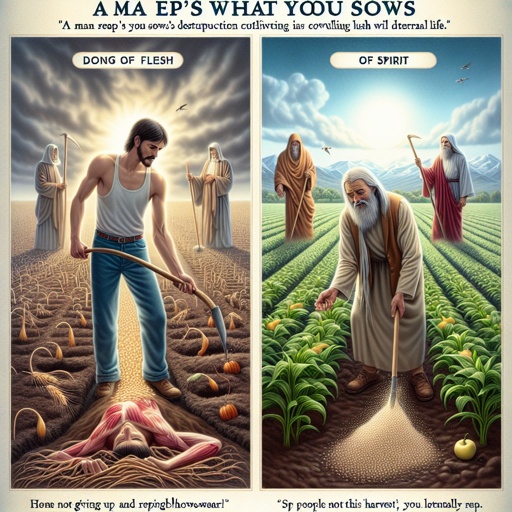
Galatians 6:7-10 - "Do not be deceived: God cannot be mocked. A man reaps what he sows. Whoever sows to please their flesh, from the flesh will reap destruction; whoever sows to please the Spirit, from the Spirit will reap eternal life. Let us not become weary in doing good, for at the proper time we will reap a harvest if we do not give up. Therefore, as we have opportunity, let us do good to all people, especially to those who belong to the family of believers."
"Do not be deceived: God cannot be mocked. A man reaps what he sows. Whoever sows to please their flesh, from the flesh will reap destruction; whoever sows to please the Spirit, from the Spirit will reap eternal life. Let us not become weary in doing good, for at the proper time we will reap a harvest if we do not give up. Therefore, as we have opportunity, let us do good to all people, especially to those who belong to the family of believers." - Galatians 6:7-10

Galatians 6:7 - "Be not deceived; God is not mocked: for whatsoever a man soweth, that shall he also reap."

Galatians 6:10 - "As we have therefore opportunity, let us do good unto all men, especially unto them who are of the household of faith."
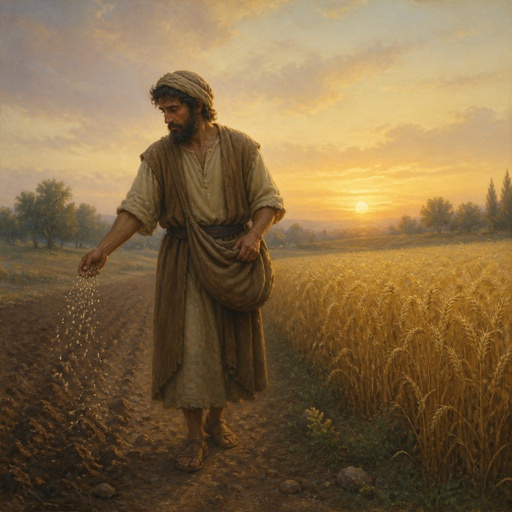
"Be not deceived; God is not mocked: for whatsoever a man soweth, that shall he also reap." - Galatians 6:7

Galatians 6:4

Galatians 6:4

Galatians 6:4

Galatians 6:8

Galatians 6:4

Galatians 6:14

Galatians 6:14

Galatians 6:4

Galatians 6:4

Galatians 6:1

Galatians 6:8

Galatians 6:14

Galatians 6:4

Galatians 6:14

Galatians 6:4

Galatians 6:14

Galatians 6:9

Galatians 6:4

Galatians 6: 4-5

Galatians 6:7-8 - "Do not be deceived: God cannot be mocked. A man reaps what he sows. Whoever sows to please their flesh, from the flesh will reap destruction; whoever sows to please the Spirit, from the Spirit will reap eternal life."

Galatians 6: 4-5

Galatians 5:5-6

Galatians 6: 4-5

Galatians 6:9-10 - "And let us not grow weary of doing good, for in due season we will reap, if we do not give up. So then, as we have opportunity, let us do good to everyone, and especially to those who are of the household of faith."

Galatians 6:6 - "Let him that is taught in the word communicate unto him that teacheth in all good things."