What does Genesis 10:1 mean?
"Now these are the generations of the sons of Noah, Shem, Ham, and Japheth: and unto them were sons born after the flood." - Genesis 10:1
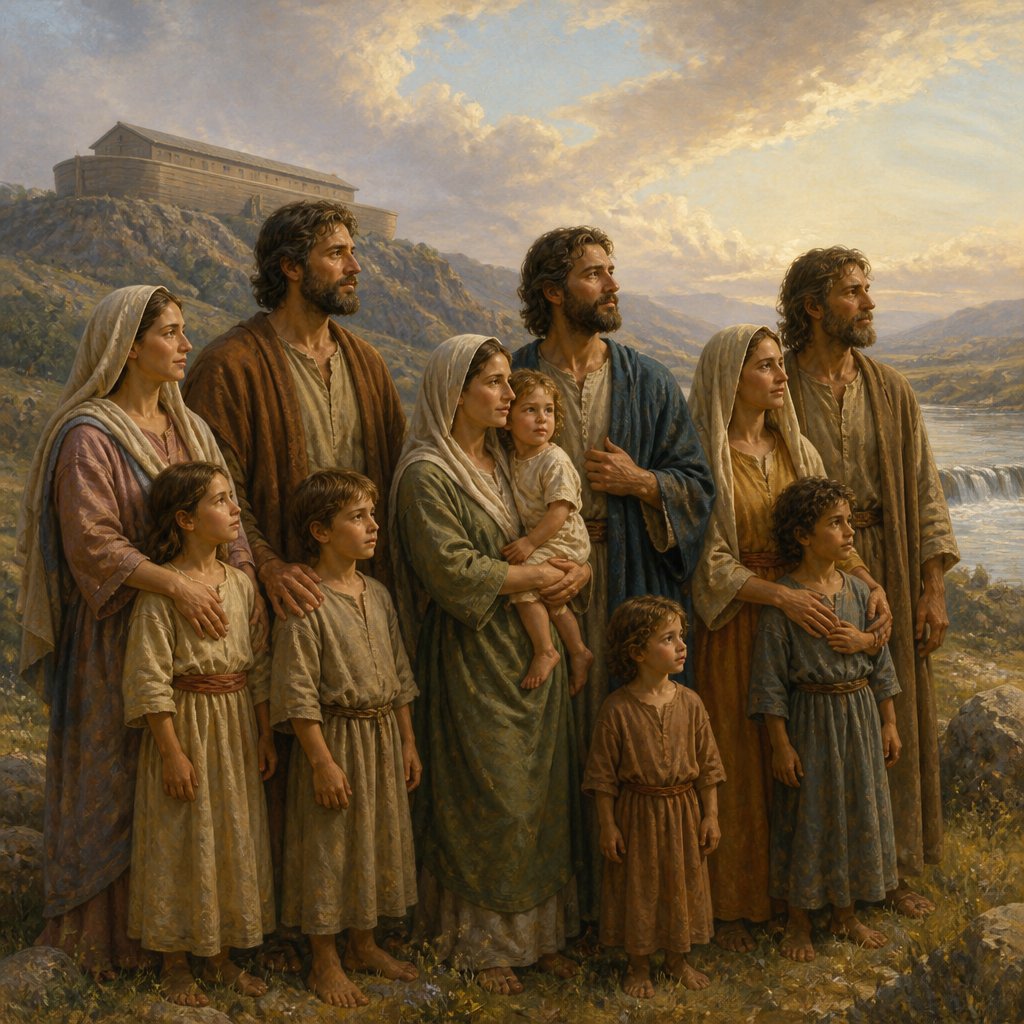
Genesis 10:1 in the King James Version reads:
"Now these are the generations of the sons of Noah, Shem, Ham, and Japheth: and unto them were sons born after the flood."
This verse marks the beginning of the Table of Nations, which is a genealogy of the descendants of Noah’s three sons. The Table of Nations is part of the larger narrative of the book of Genesis, which provides an account of the creation of the world, the fall of humanity, and God’s plan for redemption. This genealogy serves as a bridge between the story of Noah and the Tower of Babel, and it sets the stage for the spread of humanity across the earth.
The Book of Genesis is the first book of the Bible and lays the foundation for the rest of the biblical narrative. It is a book of origins, explaining the origins of the world, humanity, sin, and God’s covenant with his people. The genealogy in Genesis 10:1 is an important part of this narrative, as it traces the lineage of humanity after the flood.
The theme of lineage and descendants is central to the Bible as a whole, as it emphasizes the continuation of God’s plan throughout generations. In this verse, the emphasis on the sons of Noah - Shem, Ham, and Japheth - demonstrates the importance of their descendants and their role in God’s plan. This genealogy serves as a reminder that God’s promises are not limited to a single generation but extend to future generations as well.
Furthermore, the genealogy in Genesis 10:1 also highlights the diversity of humanity. Shem, Ham, and Japheth are the ancestors of different nations, and their descendants are instrumental in populating the earth. This diversity is significant in the biblical narrative, as it reflects God’s intention for all nations to be part of his redemptive plan. This theme of diversity and inclusion is repeated throughout the Bible, culminating in the ultimate fulfillment of God’s plan in the person of Jesus Christ, who offers salvation to all people, regardless of their background or nationality.
In addition to the thematic significance of Genesis 10:1, this verse also has historical and cultural context that is important to understand. The Table of Nations provides a glimpse into the ancient world and the way in which various people groups spread across the earth. It also reflects the social and political dynamics of the time, as different nations and tribes emerged and established their own identities.
Symbolically, the genealogy in Genesis 10:1 represents the continuation of God’s plan for humanity. It reminds readers that God’s covenant with Noah and his descendants is not limited to a single generation but extends throughout history. The diversity of the nations listed in the Table of Nations also symbolizes God’s intention for all people to be part of his plan, and the genealogy serves as a precursor to the fulfillment of this plan in the person of Jesus Christ.
In conclusion, Genesis 10:1 is an important verse in the biblical narrative, as it emphasizes the continuation of God’s plan through the descendants of Noah. The genealogy in this verse serves as a bridge between the story of Noah and the Tower of Babel, and it highlights the diversity of humanity and God’s intention for all nations to be part of his redemptive plan. Understanding the historical, cultural, and symbolic significance of this verse is essential for grasping the broader themes of the Bible and God’s unfolding plan for humanity.
Have questions about Genesis 10:1?
Dive deeper into this scripture with Bible Chat — an AI-powered tool for exploring God's Word through conversation. Ask questions, get context, and grow in your understanding of the Bible.
Get Our Apps


Genesis 10:1 Artwork

Genesis 10:1 - "Now these are the generations of the sons of Noah, Shem, Ham, and Japheth: and unto them were sons born after the flood."
"Now these are the generations of the sons of Noah, Shem, Ham, and Japheth: and unto them were sons born after the flood." - Genesis 10:1

Genesis 22:10

Genesis 1:10-14

Genesis 1:10 - "And God called the dry land Earth; and the gathering together of the waters called he Seas: and God saw that it was good."

Genesis 15:10

Genesis 23-10

Genesis 22-10

Genesis 16:10

Genesis 13:10

Genesis 17:10

Genesis 19-10

Genesis 20-10

Genesis 21-10

Genesis 18-10

Genesis 24:10

Genesis 25-10

Genesis 28:10

Genesis 10:10 - "And the beginning of his kingdom was Babel, and Erech, and Accad, and Calneh, in the land of Shinar."

Genesis 10:28 - "And Obal, and Abimael, and Sheba,"

Genesis 30:10-11

Genesis 10:27 - "And Hadoram, and Uzal, and Diklah,"

Genesis 10:16 - "And the Jebusite, and the Amorite, and the Girgasite,"

Genesis 10:17 - "And the Hivite, and the Arkite, and the Sinite,"
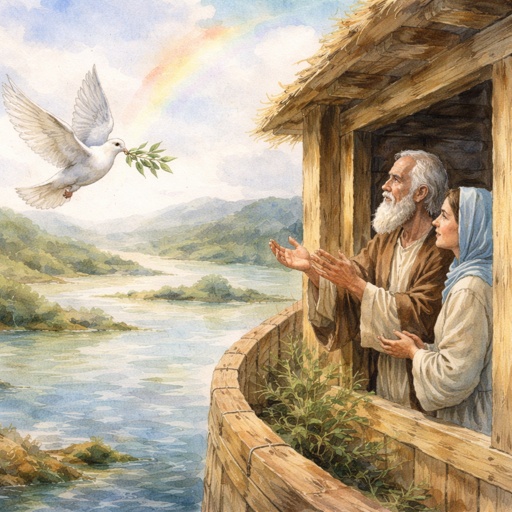
genesis 8:10-12

Genesis 27:10 KJV

Genesis 10:3 - "And the sons of Gomer; Ashkenaz, and Riphath, and Togarmah."

Genesis 10:4 - "And the sons of Javan; Elishah, and Tarshish, Kittim, and Dodanim."

Genesis 10:24 - "And Arphaxad begat Salah; and Salah begat Eber."

Genesis 10:6 - "¶ And the sons of Ham; Cush, and Mizraim, and Phut, and Canaan."