What does Genesis 10:14 mean?
"And Pathrusim, and Casluhim, (out of whom came Philistim,) and Caphtorim." - Genesis 10:14
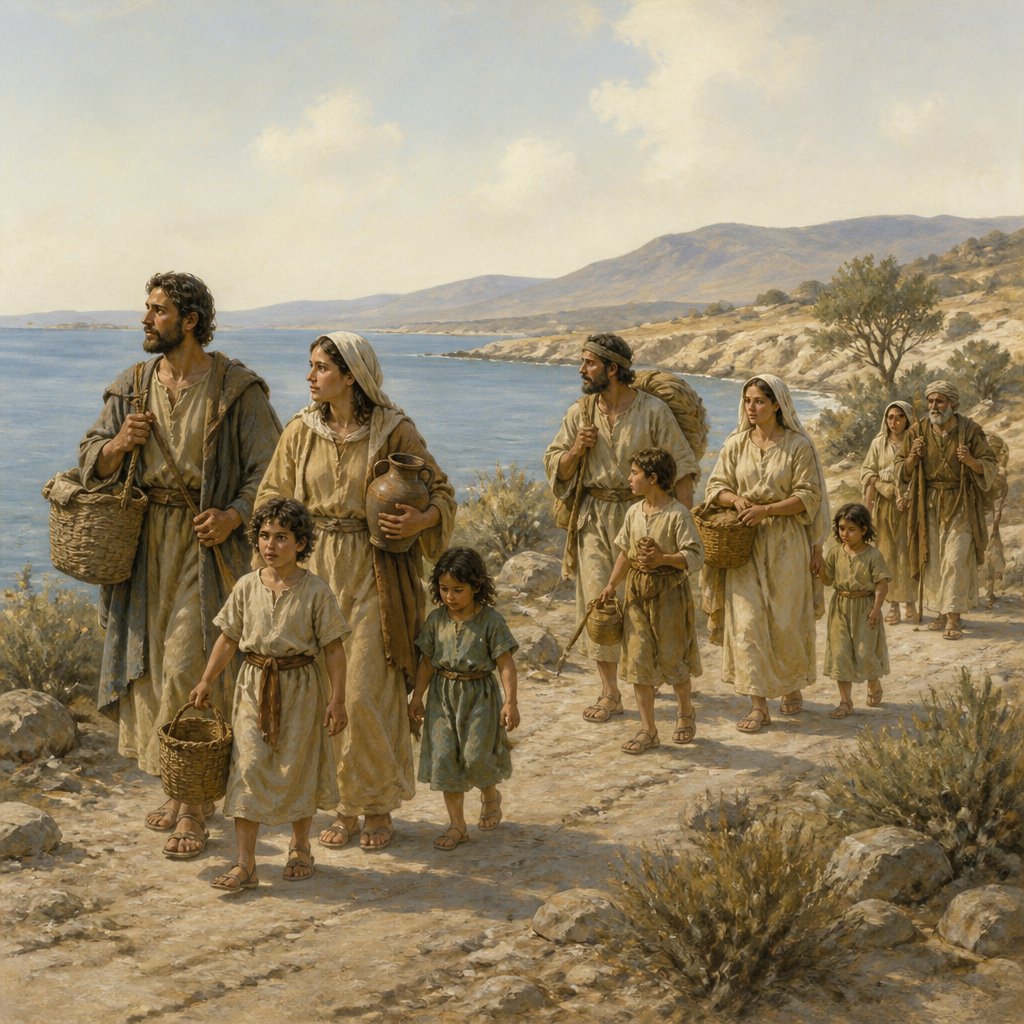
Genesis 10:14 (KJV) states, "And Pathrusim, and Casluhim, (out of whom came Philistim,) and Caphtorim." This verse is a part of the Table of Nations, which is a passage in the Book of Genesis that details the descendants of Noah's three sons: Shem, Ham, and Japheth. The Table of Nations serves as a genealogical record of the origins of different nations and peoples, providing historical and geographical context for the ancient world.
In this particular verse, the focus is on the descendants of Mizraim, who was one of the sons of Ham. Pathrusim and Casluhim were two of Mizraim's sons, and from Casluhim came the Philistim, who are better known as the Philistines. The Caphtorim are also mentioned as descendants of Mizraim. The mention of these descendants serves to establish the historical roots of the Philistines and their connection to the other nations of the ancient world.
One of the key themes of Genesis 10:14 is the idea of lineage and heritage. The Table of Nations as a whole emphasizes the interconnectedness of all peoples and the shared ancestry of humanity. It also highlights the fulfillment of God's promise to Noah to multiply and fill the earth after the flood. The specific mention of the Philistines in this verse also foreshadows their significance in the history of Israel and serves as a reminder of the intricate tapestry of human history that is woven throughout the biblical narrative.
Additionally, the verse emphasizes the sovereignty of God in orchestrating the course of history. The mention of these ancient peoples and nations demonstrates God's divine plan and his involvement in the affairs of humanity. As the narrative unfolds, the Philistines will play a significant role in the history of ancient Israel, serving as enemies and obstacles to the fulfillment of God's purposes. Thus, this verse serves as a precursor to the conflicts and interactions that will take place between the Israelites and the Philistines in the subsequent books of the Bible.
From a historical and archaeological perspective, the mention of the Philistines in Genesis 10:14 is also significant. The Philistines were a prominent people in the ancient Near East, and their interactions with the Israelites are well-documented in both biblical and extra-biblical sources. The biblical mention of the Philistines in the Table of Nations provides valuable insight into their origins and their place within the broader context of ancient civilizations.
Symbolically, the mention of the Philistines in this verse can be seen as a representation of the constant presence of opposition and adversity in the lives of God's people. Throughout the Bible, the Philistines are depicted as a thorn in the side of the Israelites, constantly challenging and threatening them. This mirrors the struggles and conflicts that believers often face in their own lives as they seek to remain faithful to God's purposes.
In conclusion, Genesis 10:14 is a seemingly simple verse in the genealogical record of the Table of Nations, but it holds significant historical, theological, and symbolic value within the broader narrative of the Bible. By tracing the lineage of ancient peoples and nations, this verse highlights the interconnectedness of humanity and underscores the overarching sovereignty of God in shaping the course of history. The mention of the Philistines in particular foreshadows the future conflicts and interactions that will take place in the biblical narrative, while also symbolizing the enduring presence of opposition and adversity in the lives of God's people.
Have questions about Genesis 10:14?
Dive deeper into this scripture with Bible Chat — an AI-powered tool for exploring God's Word through conversation. Ask questions, get context, and grow in your understanding of the Bible.
Get Our Apps


Genesis 10:14 Artwork

Genesis 10:14 - "And Pathrusim, and Casluhim, (out of whom came Philistim,) and Caphtorim."
"And Pathrusim, and Casluhim, (out of whom came Philistim,) and Caphtorim." - Genesis 10:14

Genesis 1:10-14

Genesis 14:10 - "And the vale of Siddim was full of slimepits; and the kings of Sodom and Gomorrah fled, and fell there; and they that remained fled to the mountain."

Genesis 14:10 And the vale of Siddim was full of slimepits; and the kings of Sodom and Gomorrah fled, and fell there; and they that remained fled to the mountain.
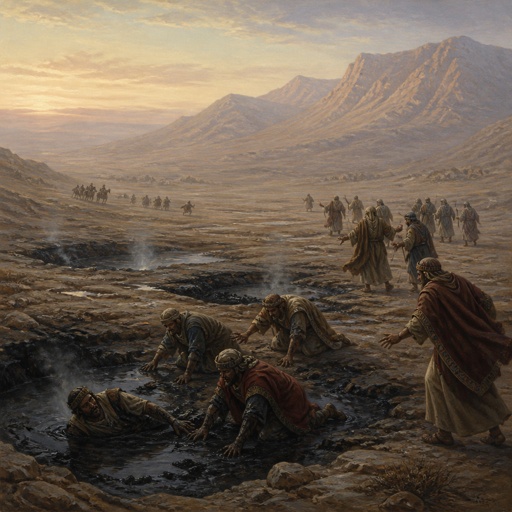
"And the vale of Siddim was full of slimepits; and the kings of Sodom and Gomorrah fled, and fell there; and they that remained fled to the mountain." - Genesis 14:10

Genesis 22 14

Genesis 19-14

Genesis 21:14

Genesis 15:14

Genesis 22-14

Genesis 25-14

Genesis 23-14

Genesis 24-14

Genesis 17-14

Genesis 16:14

Genesis 20-14

Genesis 28-14

Genesis 18-14

Genesis 25:14 - "And Mishma, and Dumah, and Massa,"

Genesis 15:10

Genesis 23-10

Genesis 22-10

Genesis 16:10

Genesis 13:10

Genesis 17:10

Genesis 19-10

Genesis 20-10

Genesis 18:9-14

Genesis 18:1-14