What does Genesis 10:23 mean?
"And the children of Aram; Uz, and Hul, and Gether, and Mash." - Genesis 10:23
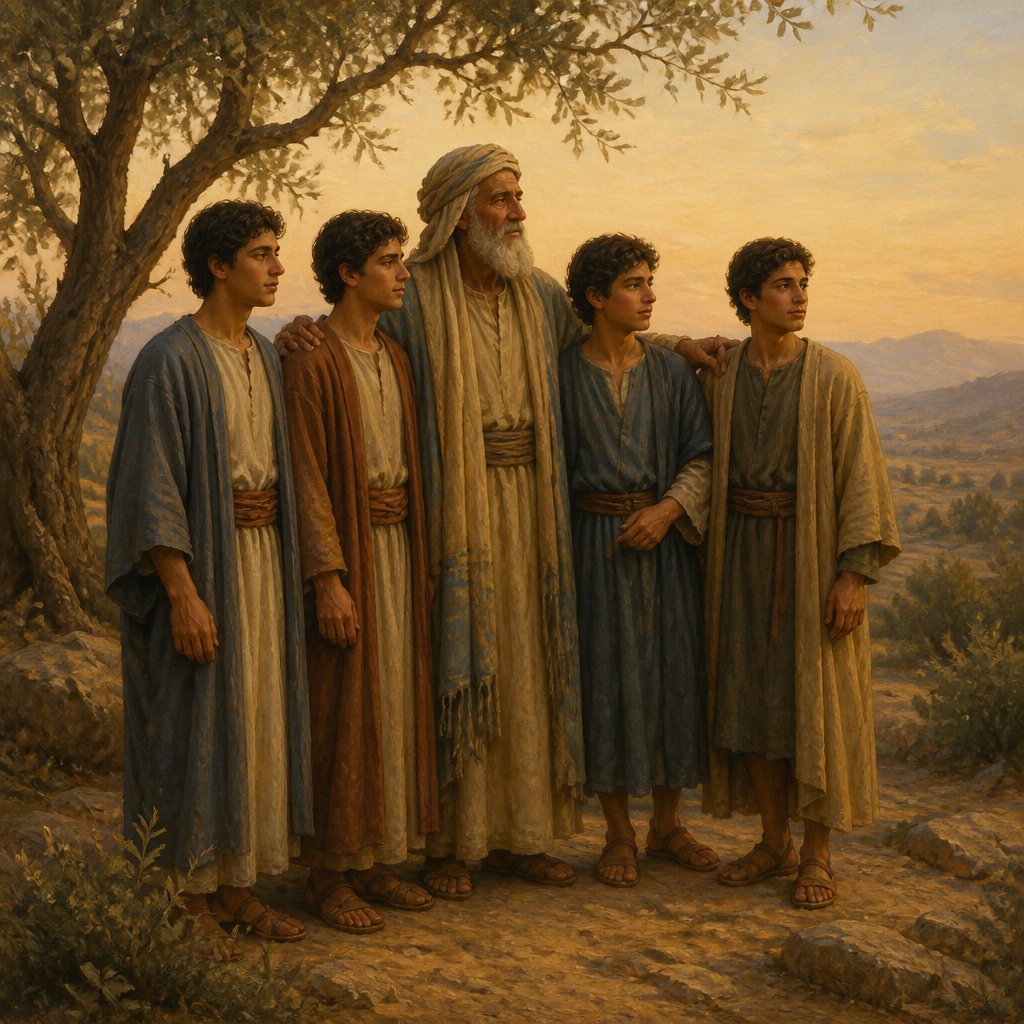
Genesis 10:23 (KJV) reads, "And the children of Aram; Uz, and Hul, and Gether, and Mash."
This verse comes from the Book of Genesis, which is the first book of the Bible and is primarily concerned with the origins of humanity, the world, and the Hebrew people. Genesis 10 is known as the Table of Nations, which details the descendants of Noah and the dispersion of the nations after the great flood. This verse specifically focuses on the descendants of Aram, who was one of the sons of Shem, the son of Noah.
At first glance, Genesis 10:23 may seem like a simple genealogical record, listing the names of Aram's children. However, when examined in a broader context and with an understanding of the historical and cultural background, this verse can reveal deeper themes and messages.
One of the overarching themes of the Table of Nations is the diversity of humanity. It highlights the different nations and their respective ancestral lineages, emphasizing that all people are interconnected and share a common origin. In this verse, the mention of Aram's children serves to further illustrate the proliferation of human life and the formation of distinct groups and cultures.
Furthermore, the inclusion of these names within the genealogy of the Bible signifies the importance of every individual within the broader narrative of God's plan for humanity. Each person and lineage has a place in God's unfolding story, and no one is overlooked or insignificant.
Symbolically, the names Uz, Hul, Gether, and Mash may also carry deeper meaning. In biblical tradition, names often hold symbolic significance and represent the character or destiny of an individual or group. While the specific meanings of these names are not explicitly provided in this verse, their inclusion suggests that they were significant figures in the lineage of Aram.
In a broader theological sense, the genealogies found in the Bible serve as a reminder of God's faithfulness and the fulfillment of his promises. The inclusion of these seemingly mundane details in the biblical text underscores the meticulous record-keeping of God's providential plan throughout history. It demonstrates God's steadfast commitment to his people and his ongoing work through successive generations.
Additionally, this verse serves as a historical marker, tracing the lineage of the ancient people and providing evidence for the historical reliability of the Bible. The mention of these names in the biblical record aligns with archaeological and historical findings, affirming the accuracy of the biblical accounts.
In conclusion, while Genesis 10:23 may appear to be a brief and unremarkable verse, it holds deeper significance within the broader context of the Table of Nations and the biblical narrative as a whole. It underscores the diversity of humanity, the interconnectedness of all people, and the faithfulness of God throughout history. Moreover, it highlights the meticulous record-keeping of God's providential plan and the historical reliability of the Bible. As such, this verse serves as a testament to the intricate and purposeful unfolding of God's plan for humanity.
Have questions about Genesis 10:23?
Dive deeper into this scripture with Bible Chat — an AI-powered tool for exploring God's Word through conversation. Ask questions, get context, and grow in your understanding of the Bible.
Get Our Apps


Genesis 10:23 Artwork

Genesis 10:23 - "And the children of Aram; Uz, and Hul, and Gether, and Mash."
"And the children of Aram; Uz, and Hul, and Gether, and Mash." - Genesis 10:23

Genesis 23-10

Genesis 23:10 - "And Ephron dwelt among the children of Heth: and Ephron the Hittite answered Abraham in the audience of the children of Heth, even of all that went in at the gate of his city, saying,"

Genesis 23-19

Genesis 23-3

Genesis 23-13

Genesis 23-17

Genesis 23:11

Genesis 23-9

Genesis 23:2

Genesis 23-18

Genesis 23-5

Genesis 23-12

Genesis 23-4

Genesis 23-16

Genesis 17-23

Genesis 23:1

Genesis 23-6

Genesis 23-8

Genesis 25-23

Genesis 18-23

Genesis 19-23

Genesis 22-23

Genesis 23-14
Genesis 21-23

Genesis 23-20

Genesis 23-7

Genesis 3:23

Genesis 23-15