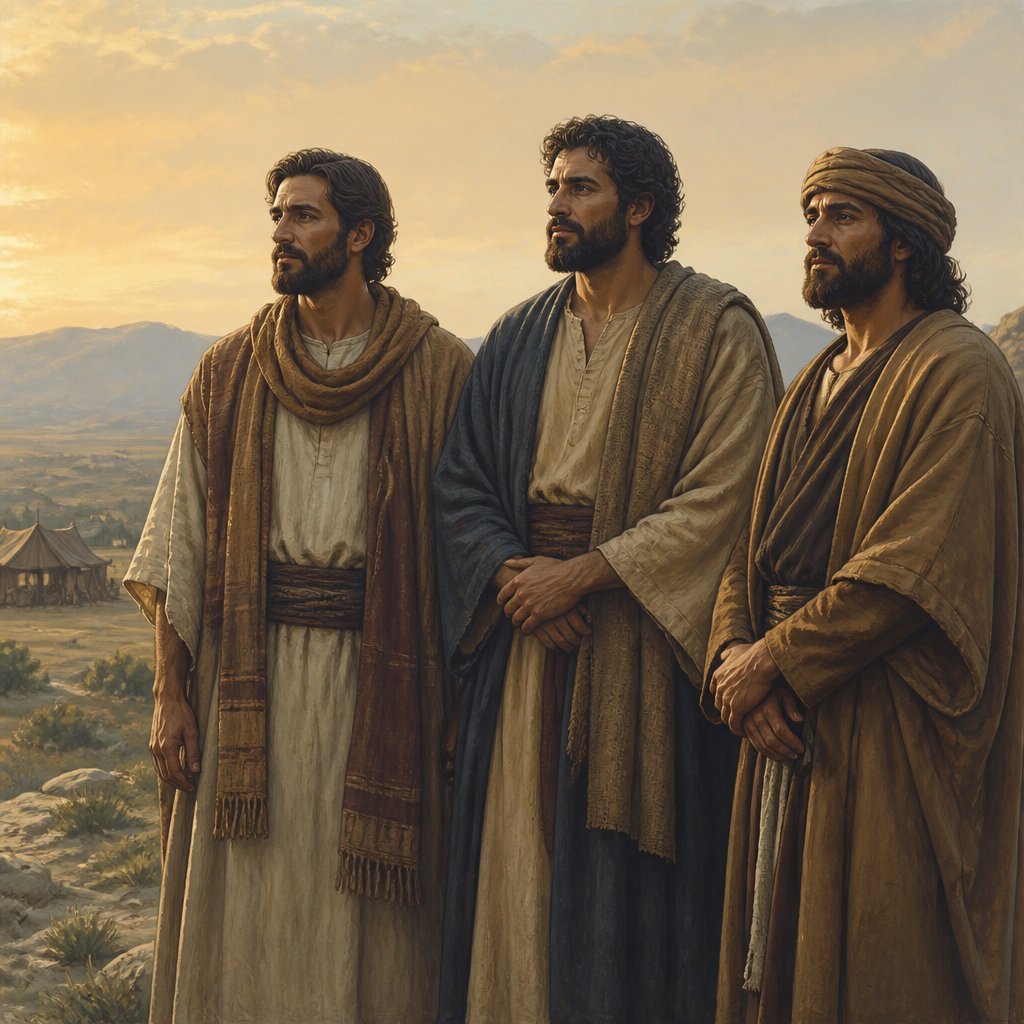
Genesis 10:28 (KJV) reads, "And Obal, and Abimael, and Sheba,". This verse is part of the genealogy of the descendants of Noah, which is found in Genesis 10. This chapter is often referred to as the Table of Nations because it provides a list of the descendants of Noah's sons and the nations that came from them. Each name in this genealogy represents a new group of people, with their own unique characteristics, history, and significance in the biblical narrative.
In this specific verse, three names are mentioned: Obal, Abimael, and Sheba. These are the descendants of Joktan, one of the sons of Eber, who was a descendant of Noah through Shem. The mention of these names may seem insignificant or mundane at first glance, but within the broader context of the Bible, they hold deeper meanings and significance.
One of the key themes in this verse and the larger genealogy in Genesis 10 is the fulfillment of God's promise to Noah and his descendants to be fruitful and multiply, filling the earth with their offspring. This genealogy serves as a record of the fulfillment of this promise, as each new name represents a new branch of humanity, spreading out and populating the earth according to God's plan.
Furthermore, the mention of these names highlights the diversity of the human race, as each name represents a unique group of people with their own culture, language, and history. This diversity is a testament to God's creativity and the richness of human experience, showcasing the beauty of different cultures and the inherent value of each individual and group.
In addition to the themes of fulfillment and diversity, the mention of these names also symbolizes the interconnectedness of humanity. While these names may seem unfamiliar to modern readers, they represent real people and real communities with their own stories and experiences. By including these names in the biblical narrative, the genealogy in Genesis 10 serves as a reminder of the shared humanity of all people, regardless of their cultural or historical background.
From a spiritual perspective, the mention of these names also underscores the importance of each individual in God's redemptive plan. While the genealogy may seem like a list of forgotten names to some, it is a reminder that each person has a place in God's story and is valued by Him. This truth is echoed in the New Testament, where Jesus teaches that God knows each individual sparrow and counts the hairs on our heads, demonstrating His intimate care and concern for every person (Matthew 10:29-31).
Ultimately, Genesis 10:28, and the genealogy as a whole, serves as a reminder of God's faithfulness, the diversity of humanity, and the inherent value of each person in His sight. While it may seem like a list of names on the surface, it is a profound reflection of God's sovereignty and love for all people, regardless of their background or history. As we reflect on these names and the broader genealogy in Genesis 10, may we be reminded of the beauty and richness of God's creation and His redemptive plan for all of humanity.
Get our apps


Artwork for Genesis 10:28

Genesis 10:28 - "And Obal, and Abimael, and Sheba,"

"And Obal, and Abimael, and Sheba," - Genesis 10:28

Genesis 28:10

Genesis 28:10 - "¶ And Jacob went out from Beer-sheba, and went toward Haran."

"¶ And Jacob went out from Beer-sheba, and went toward Haran." - Genesis 28:10

Genesis 28-15

Genesis 28-12

Genesis 28-16

Genesis 28-21

Genesis 28-22

Genesis 28-17

Genesis 21:28

Genesis 28:18

Genesis 24:28

Genesis 28:18

Genesis 28-20

Genesis 28-13

Genesis 28-19

Genesis 28-14

Genesis 28-11

Genesis 19-28

Genesis 18-28

Genesis 36:28 - "The children of Dishan are these; Uz, and Aran."

Genesis 35:28 - "And the days of Isaac were an hundred and fourscore years."

Genesis 21:28 - "And Abraham set seven ewe lambs of the flock by themselves."

Genesis 5:28 - "¶ And Lamech lived an hundred eighty and two years, and begat a son:"

Genesis 30:28 - "And he said, Appoint me thy wages, and I will give it."

Genesis 28:8 - "And Esau seeing that the daughters of Canaan pleased not Isaac his father;"

Genesis 34:28 - "They took their sheep, and their oxen, and their asses, and that which was in the city, and that which was in the field,"

Genesis 9:28 - "¶ And Noah lived after the flood three hundred and fifty years."