What does Genesis 10:3 mean?
“And the sons of Gomer; Ashkenaz, and Riphath, and Togarmah.” — Genesis 10:3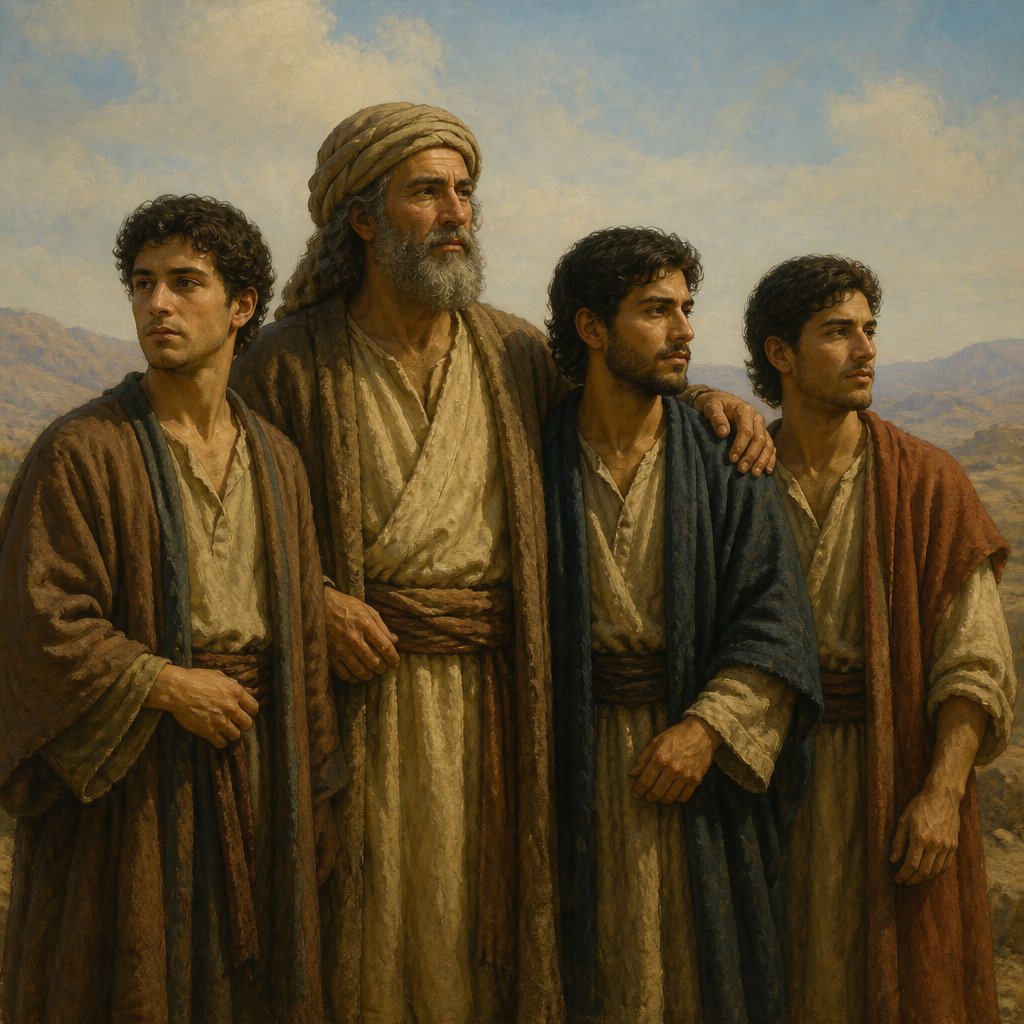
Genesis 10:3 (KJV) states, "And the sons of Gomer; Ashkenaz, and Riphath, and Togarmah."
This verse is part of the genealogy of the descendants of Noah, which is found in the broader context of Genesis 10. This chapter, often referred to as the Table of Nations, provides a list of the descendants of Noah's three sons, Shem, Ham, and Japheth, as well as their respective descendants and the lands they inhabited. The purpose of this genealogy is to establish the origins of the various nations and peoples of the earth, offering a historical and genealogical account of humanity's spread across the earth after the flood.
In this specific verse, we see the line of descent from Japheth, one of Noah's sons, through his son Gomer. Gomer is listed as the father of three sons: Ashkenaz, Riphath, and Togarmah. These names have historical and geographical significance, as they are linked to the peoples and lands that they were associated with in ancient times.
The mention of Ashkenaz, for example, is often associated with the Scythians, an ancient and warlike people who lived in the region north of the Black Sea. Riphath is thought to be connected to the Paphlagonians, a people who inhabited an area in what is now modern-day Turkey. Togarmah is linked to the ancient Armenian kingdom, which was located between the Black and Caspian Seas.
From a historical and geographical perspective, this verse provides valuable insights into the ancient origins of these peoples and their respective lands. It serves as a historical record of the diverse and far-reaching descendants of Noah and the dispersion of humanity across different regions of the earth.
However, beyond its historical and geographical significance, this verse also holds spiritual and symbolic meaning within the broader context of the Bible. The genealogy of Genesis 10 serves to highlight the diversity of humanity and the fulfillment of God's command to be fruitful and multiply and fill the earth after the flood.
Furthermore, this verse reminds us of God's sovereignty over all nations and peoples, regardless of their geographical location or historical origins. It emphasizes the interconnectedness of humanity and the unity of the human race as descendants of Noah, all sharing a common ancestry and heritage.
Moreover, this verse also has significance within the overall narrative of the Bible. The descendants of Japheth, through Gomer and his sons, eventually played a role in the interaction of various nations and cultures in the ancient world. This interaction and interconnectedness of different peoples and lands would ultimately have an impact on the broader historical events and the unfolding of God's plan for humanity.
In conclusion, Genesis 10:3 is a verse within a larger genealogical record in the Bible, providing historical, geographical, and spiritual insights into the diverse descendants of Noah and the dispersion of humanity across the earth. It serves as a reminder of the interconnectedness of humanity and the fulfillment of God's command to be fruitful and multiply. It also plays a role in highlighting the unity and diversity of the human race and the overarching sovereignty of God over all nations and peoples.
Get our apps


Artwork for Genesis 10:3

Genesis 10:3 - "And the sons of Gomer; Ashkenaz, and Riphath, and Togarmah."
"And the sons of Gomer; Ashkenaz, and Riphath, and Togarmah." - Genesis 10:3

Genesis 3:10 - "And he said, I heard thy voice in the garden, and I was afraid, because I was naked; and I hid myself."

Genesis 15:10

Genesis 23-10

Genesis 22-10

Genesis 16:10

Genesis 13:10

Genesis 17:10

Genesis 19-10

Genesis 20-10

Genesis 22:10

Genesis 21-10

Genesis 18-10

Genesis 24:10

Genesis 25-10

Genesis 28:10

Genesis 10:10 - "And the beginning of his kingdom was Babel, and Erech, and Accad, and Calneh, in the land of Shinar."

Genesis 3

Genesis 10:28 - "And Obal, and Abimael, and Sheba,"

Genesis 1:10-14

Genesis 30:10-11

Genesis 10:27 - "And Hadoram, and Uzal, and Diklah,"

Genesis 10:16 - "And the Jebusite, and the Amorite, and the Girgasite,"

Genesis 10:17 - "And the Hivite, and the Arkite, and the Sinite,"
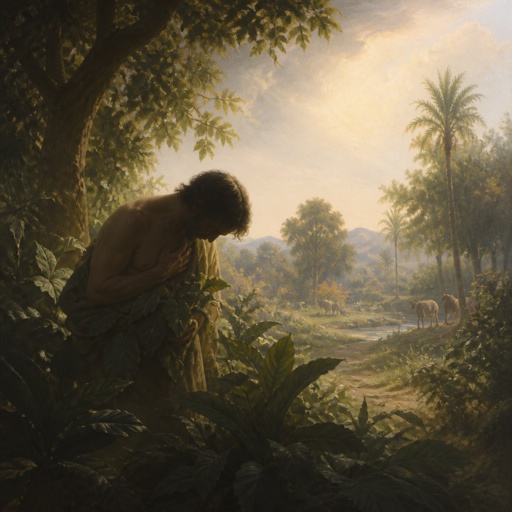
"And he said, I heard thy voice in the garden, and I was afraid, because I was naked; and I hid myself." - Genesis 3:10
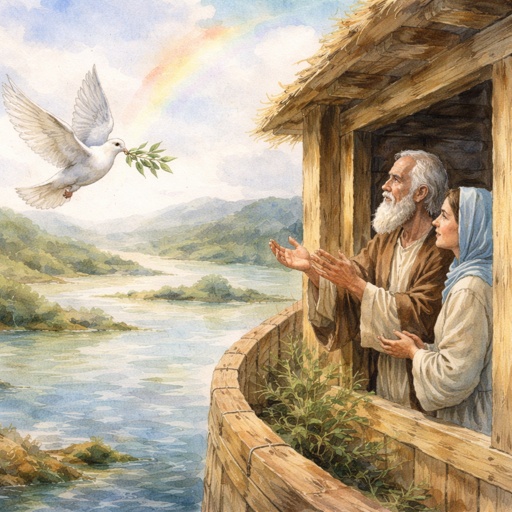
genesis 8:10-12

Genesis 27:10 KJV

Genesis 3:8

Genesis 3:24