What does Genesis 10:30 mean?
“And their dwelling was from Mesha, as thou goest unto Sephar a mount of the east.” — Genesis 10:30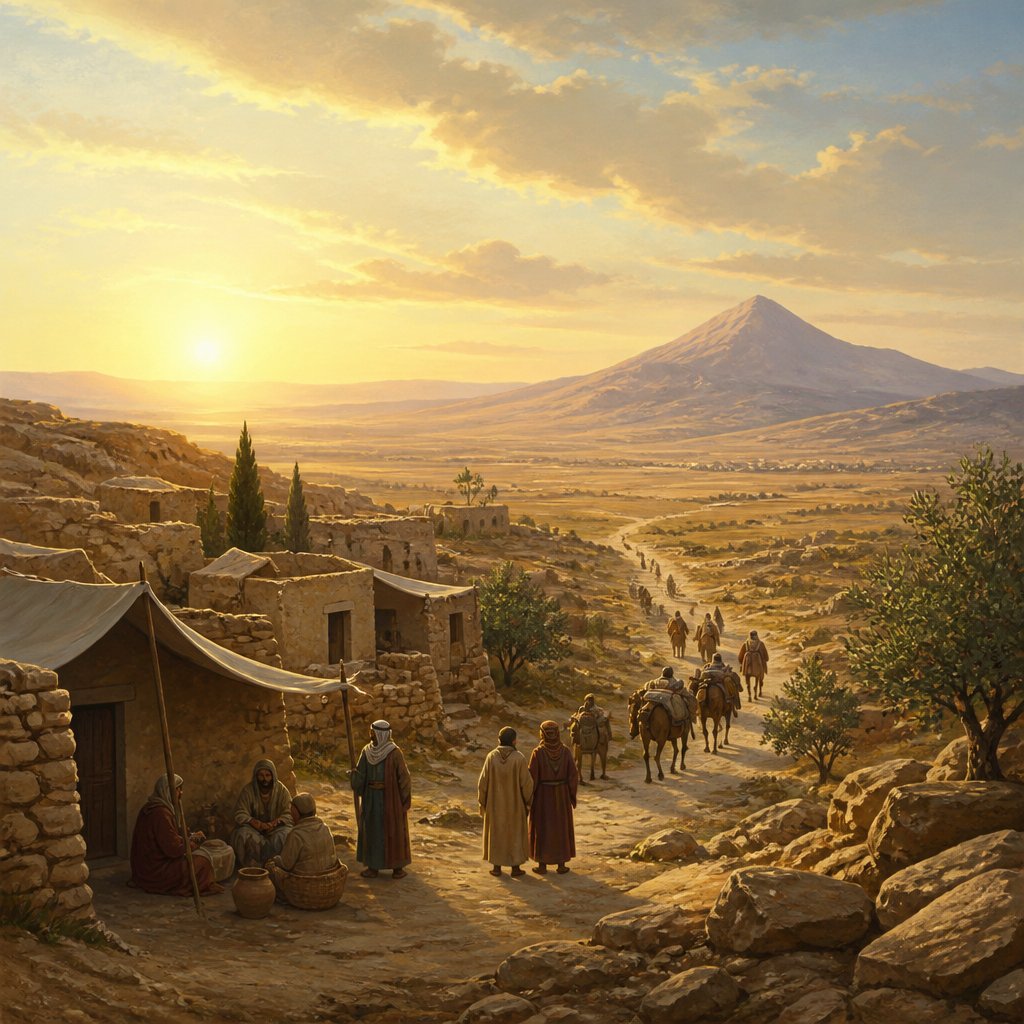
In the King James Version of the Bible, Genesis 10:30 reads: "And their dwelling was from Mesha, as thou goest unto Sephar a mount of the east." This verse is part of the genealogy of the descendants of Noah, specifically the lineage of the sons of Joktan.
To fully understand the meaning of this verse, it is important to look at the larger context of the chapter and the book of Genesis as a whole. Genesis 10 is often referred to as the Table of Nations, as it details the genealogy of the descendants of Noah's sons, Shem, Ham, and Japheth. This genealogy serves to provide a historical account of the origins of the various nations and peoples that would eventually inhabit the earth.
In the immediate context of Genesis 10:30, the verse is describing the territory inhabited by the descendants of Joktan. Mesha and Sephar are mentioned as geographical landmarks that mark the extent of their dwelling. Mesha is believed to refer to a region in the Arabian Peninsula, while Sephar is thought to be a reference to a mountain in the same region.
One theme that can be drawn from this verse is the theme of historical and geographical significance. The Table of Nations in Genesis 10 serves to provide a historical account of the origins of various peoples and nations. By mentioning specific geographical locations such as Mesha and Sephar, the verse emphasizes the historical and geographical context of the descendants of Joktan.
Another theme that can be inferred from this verse is the theme of divine providence and sovereignty. Throughout the book of Genesis, and indeed the entire Bible, God is portrayed as the sovereign and providential ruler over the affairs of humanity. The genealogy of the descendants of Noah serves as a reminder of God's hand in the establishment and proliferation of nations and peoples.
In terms of symbolism, Mesha and Sephar can be seen as symbolic representations of the extent of the descendants of Joktan's territory. The mention of these geographical locations serves to not only provide a historical context but also to symbolize the breadth of their habitation.
It is important to note that the interpretation of this verse may vary among different theological traditions and scholars. Some may focus more on the historical and geographical significance, while others may emphasize the spiritual and theological implications of the genealogy of the Table of Nations.
In conclusion, Genesis 10:30 serves as a small part of the larger genealogy of the descendants of Noah and presents themes of historical and geographical significance, as well as divine providence and sovereignty. The verse provides a historical account of the extent of the territory inhabited by the descendants of Joktan and symbolizes the breadth of their habitation. Ultimately, the verse serves as a reminder of God's providential care and sovereignty over the nations and peoples of the earth.
Get our apps


Artwork for Genesis 10:30

Genesis 10:30 - "And their dwelling was from Mesha, as thou goest unto Sephar a mount of the east."
"And their dwelling was from Mesha, as thou goest unto Sephar a mount of the east." - Genesis 10:30

Genesis 30:10-11

Genesis 30:10 - "And Zilpah Leah's maid bare Jacob a son."
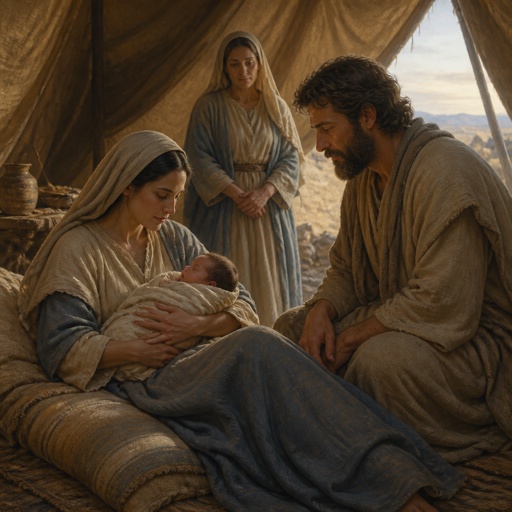
"And Zilpah Leah's maid bare Jacob a son." - Genesis 30:10

Genesis 19-30

Genesis 24-30

Genesis 18-30

Genesis 21-30

Genesis 29:15-30

John 10:30

John 10:30

Genesis 30:5 - "And Bilhah conceived, and bare Jacob a son."

Genesis 11:30 - "But Sarai was barren; she had no child."

Mark 10:17-30

2 Chronicles 30:10

Genesis 30:19 - "And Leah conceived again, and bare Jacob the sixth son."

Mark 10:17-30

Genesis 26:30 - "And he made them a feast, and they did eat and drink."

Genesis 30:12 - "And Zilpah Leah's maid bare Jacob a second son."

John 10:30 - "I and my Father are one."

Genesis 30:28 - "And he said, Appoint me thy wages, and I will give it."

Genesis 30:21 - "And afterwards she bare a daughter, and called her name Dinah."

Genesis 30:34 - "And Laban said, Behold, I would it might be according to thy word."

Genesis 30:22 - "¶ And God remembered Rachel, and God hearkened to her, and opened her womb."

african american luke 10:30

Genesis 30:7 - "And Bilhah Rachel's maid conceived again, and bare Jacob a second son."

Genesis 30:11 - "And Leah said, A troop cometh: and she called his name Gad."

Matthew 10:30 - "But the very hairs of your head are all numbered."

Genesis 30:39 - "And the flocks conceived before the rods, and brought forth cattle ringstraked, speckled, and spotted."