What does Genesis 10:4 mean?
“And the sons of Javan; Elishah, and Tarshish, Kittim, and Dodanim.” — Genesis 10:4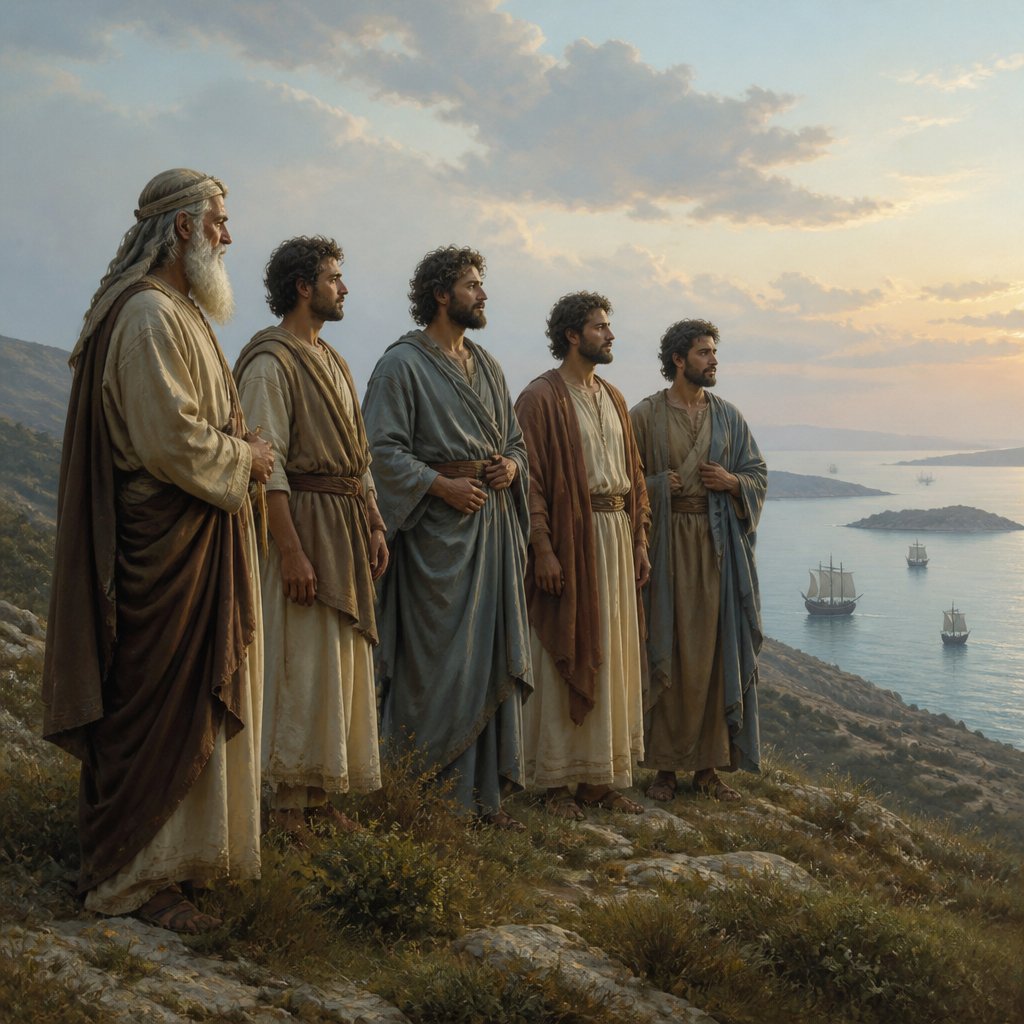
Genesis 10:4 (KJV) reads, "And the sons of Javan; Elishah, and Tarshish, Kittim, and Dodanim." At first glance, this verse may seem insignificant, since it is a simple list of names. However, when we understand the context and delve deeper into the meaning and symbolism behind the names, we can uncover deeper meanings and themes.
Genesis 10, also known as the Table of Nations, is a genealogical record of the descendants of Noah's sons, Shem, Ham, and Japheth. This chapter provides a detailed account of how the nations and peoples of the world emerged from these three brothers. It is a crucial part of the Bible that provides historical and genealogical information about the early descendants of humanity.
In this specific verse, we are introduced to the sons of Javan, who is the fourth son of Japheth, one of the sons of Noah. The names mentioned - Elishah, Tarshish, Kittim, and Dodanim - are believed to represent geographical locations or ethnic groups that descended from Javan. The significance of these names lies in the symbolism and meaning behind them.
Elishah is thought to represent the people of the Aegean Sea, which is located in present-day Greece. Tarshish is often associated with a distant western land, possibly referring to Spain or a region known for its maritime trade. Kittim is believed to denote Cyprus, an island in the eastern Mediterranean. Dodanim is thought to be linked to the people of Rhodes, an island in the Aegean Sea. Understanding the geographical significance of these names helps us appreciate the cultural and historical context that Genesis 10:4 provides.
The themes and lessons that we can glean from this verse are rooted in the concept of lineage and the diverse origins of humanity. It serves as a reminder of the interconnectedness of all people and the vast array of cultures and societies that have evolved over time. The Table of Nations exemplifies the rich tapestry of human history and the intricate web of relationships that bind us together as descendants of Adam and Eve.
Furthermore, the mention of specific geographical locations in Genesis 10:4 reinforces the idea that God's plan encompasses all peoples and nations. It serves as a precursor to the universal message of salvation that is later expounded upon in the Bible. This verse highlights the inclusivity of God's redemptive plan and foreshadows the eventual spread of the gospel to all corners of the earth.
Symbolically, the names Elishah, Tarshish, Kittim, and Dodanim can also be interpreted as representative of various traits and attributes. For example, Elishah could symbolize strength and resilience, as Greece has a storied history of triumphs and challenges. Tarshish may signify exploration and adventure, as it is linked to maritime trade and distant lands. Kittim might represent adaptability and versatility, as Cyprus has been influenced by various cultures over the centuries. Finally, Dodanim could symbolize unity and harmony, as Rhodes is known for its picturesque landscapes and peaceful coexistence.
In conclusion, Genesis 10:4 may appear to be a simple list of names, but it holds profound significance when examined within its broader context. It underscores the diverse origins of humanity, the inclusive nature of God's plan, and the rich tapestry of human history. This verse serves as a reminder of the intricate connections that bind us all together and sets the stage for the universal message of salvation that permeates the rest of the Bible. When we delve deeper into the meanings and symbolism behind these names, we gain a greater appreciation for the depth and complexity of God's divine plan for all of creation.
Get our apps


Artwork for Genesis 10:4

Genesis 10:4 - "And the sons of Javan; Elishah, and Tarshish, Kittim, and Dodanim."
"And the sons of Javan; Elishah, and Tarshish, Kittim, and Dodanim." - Genesis 10:4

Genesis 4:10 - "And he said, What hast thou done? the voice of thy brother's blood crieth unto me from the ground."

Genesis 4:10 (KJVA) 10 And he said, What hast thou done? the voice of thy brother's blood crieth unto me from the ground.
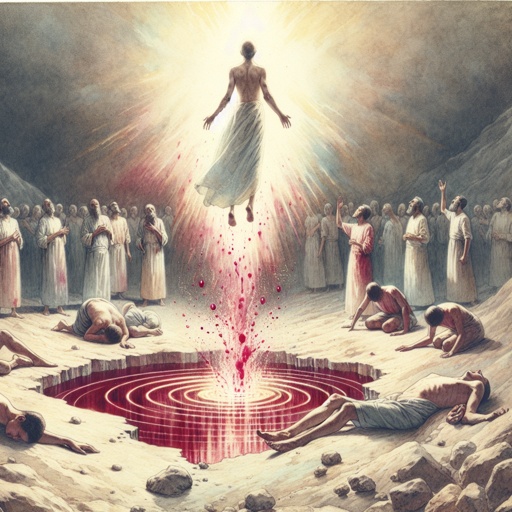
Genesis 4:10 (KJVA) 10 And he said, What hast thou done? the voice of thy brother's blood crieth unto me from the ground.
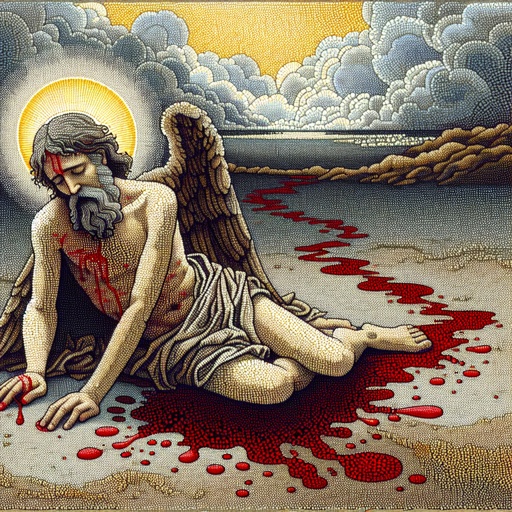
Genesis 4:10 (KJVA) 10 And he said, What hast thou done? the voice of thy brother's blood crieth unto me from the ground.

Genesis 4:10 (KJVA) 10 And he said, What hast thou done? the voice of thy brother's blood crieth unto me from the ground.
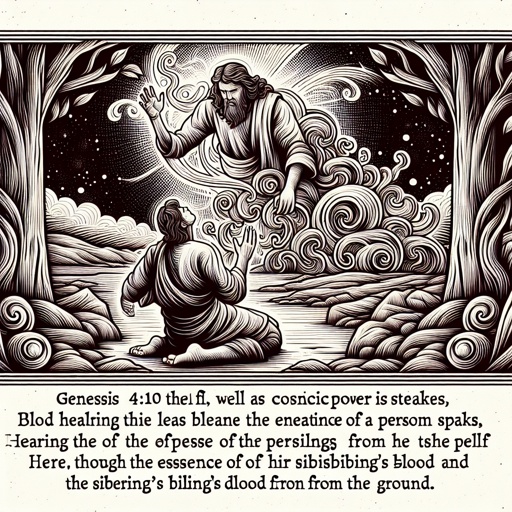
Genesis 4:10 (KJVA) 10 And he said, What hast thou done? the voice of thy brother's blood crieth unto me from the ground.

Genesis 4:9-10 (KJVA) 9 And the LORD said unto Cain, Where is Abel thy brother? And he said, I know not: Am I my brother's keeper? 10 And he said, What hast thou done? the voice of thy brother's blood crieth unto me from the ground.

Genesis 15:10

Genesis 23-10

Genesis 22-10

Genesis 17:10

Genesis 16:10

Genesis 13:10

Genesis 19-10

Genesis 20-10

Genesis 18-10

Genesis 22:10

Genesis 21-10

Genesis 25-10

Genesis 24:10

Genesis 28:10

Genesis 10:10 - "And the beginning of his kingdom was Babel, and Erech, and Accad, and Calneh, in the land of Shinar."
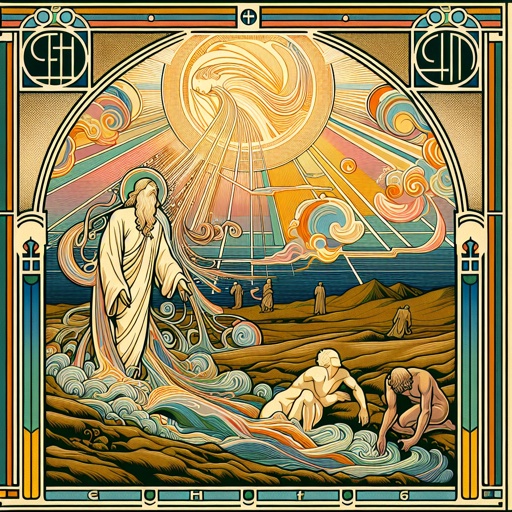
Gen 4:10 (KJVA) 10 And he said, What hast thou done? the voice of thy brother's blood crieth unto me from the ground.

Genesis 4:9-10 (KJVA) 9 And the LORD said unto Cain, Where is Abel thy brother? And he said, I know not: Am I my brother's keeper? 10 And he said, What hast thou done? the voice of thy brother's blood crieth unto me from the ground.

Genesis 4:9-10 (KJVA) 9 And the LORD said unto Cain, Where is Abel thy brother? And he said, I know not: Am I my brother's keeper? 10 And he said, What hast thou done? the voice of thy brother's blood crieth unto me from the ground.

Genesis 10:28 - "And Obal, and Abimael, and Sheba,"
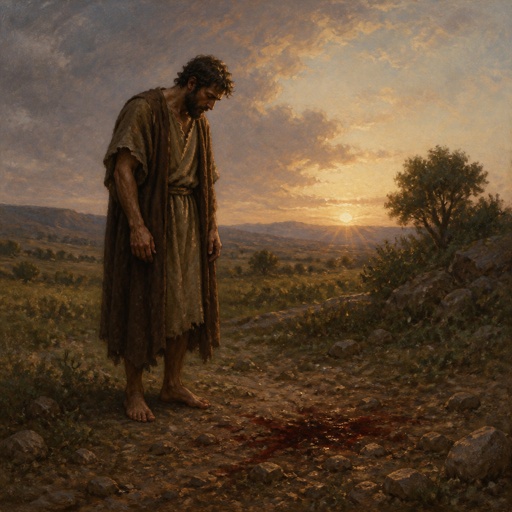
"And he said, What hast thou done? the voice of thy brother's blood crieth unto me from the ground." - Genesis 4:10

Genesis 1:10-14