What does Genesis 11:26 mean?
"And Terah lived seventy years, and begat Abram, Nahor, and Haran." - Genesis 11:26
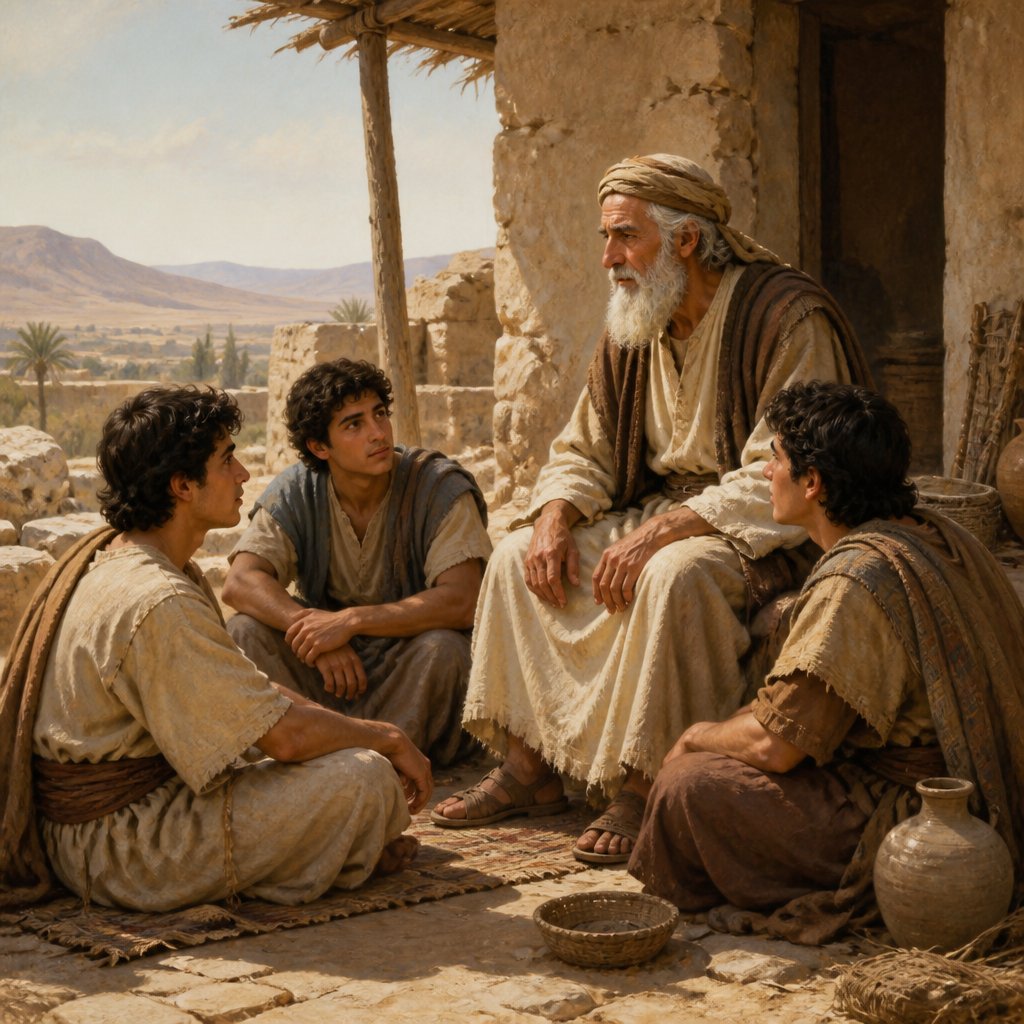
Genesis 11:26 in the King James Version of the Bible reads, "And Terah lived seventy years, and begat Abram, Nahor, and Haran."
This verse is part of the genealogy of Terah, who was the father of three notable figures in the Bible: Abram (later known as Abraham), Nahor, and Haran. This verse marks the beginning of the story of Abraham, who is a central figure in the Old Testament and is considered the father of the Israelite nation.
The genealogy of Terah is significant in the context of the overall biblical narrative. It serves as a link between the stories of creation and the flood in the book of Genesis and the subsequent stories of the patriarchs and the formation of the nation of Israel. The genealogy traces the lineage of Abraham, who plays a crucial role in the history of God's covenant with the people of Israel.
One of the key themes in this verse is the concept of lineage and ancestry. In the ancient world, lineage was of great importance, as it determined a person's social status, inheritance, and even their identity. In the case of Abraham, his lineage as a descendant of Terah is significant because it establishes his connection to the covenant that God makes with him later in the biblical narrative.
This verse also emphasizes the passing of generations and the continuity of life. The fact that Terah lived seventy years before he became the father of Abram, Nahor, and Haran highlights the passage of time and the stages of life. It serves as a reminder of the cyclical nature of human existence, with each generation giving way to the next in the ongoing story of humanity.
Symbolically, the birth of Abram, Nahor, and Haran represents the beginning of a new chapter in the biblical narrative. These three figures will go on to have their own descendants, each playing a role in the unfolding story of God's plan for the world. Abraham, in particular, will become a central figure in the biblical narrative, revered for his faith and obedience to God.
In a broader sense, the genealogy of Terah and the birth of his sons also symbolize the idea of divine providence and the fulfillment of God's plan. Throughout the Bible, the coming of significant figures is often foretold or prophesied, and their births are seen as part of a larger divine purpose. The birth of Abraham, in particular, is significant in this regard, as it marks the beginning of God's covenant with him and his descendants.
In conclusion, Genesis 11:26 is a verse that holds significance in the broader context of the biblical narrative. It marks the beginning of the story of Abraham, one of the most important figures in the Old Testament, and emphasizes the themes of lineage, continuity, and divine providence. It serves as a pivotal point in the ongoing story of God's plan for humanity, and the birth of Abraham and his brothers represents the continuation of the lineage through which God will work to fulfill his purposes.
Have questions about Genesis 11:26?
Dive deeper into this scripture with Bible Chat — an AI-powered tool for exploring God's Word through conversation. Ask questions, get context, and grow in your understanding of the Bible.
Get Our Apps


Genesis 11:26 Artwork

Genesis 11:26 - "And Terah lived seventy years, and begat Abram, Nahor, and Haran."
"And Terah lived seventy years, and begat Abram, Nahor, and Haran." - Genesis 11:26
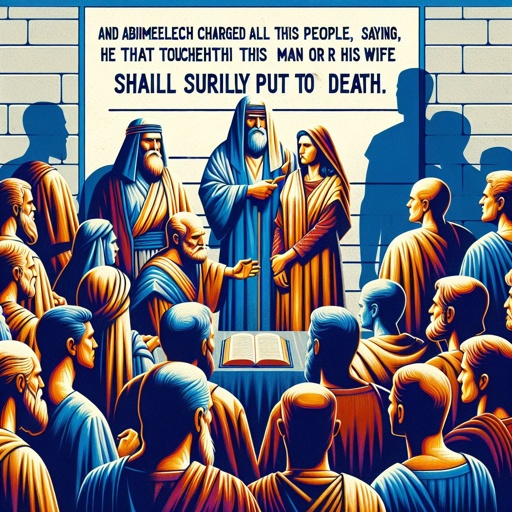
Genesis 26:11 - "And Abimelech charged all his people, saying, He that toucheth this man or his wife shall surely be put to death." respectful, symbolic bible verse art

Genesis 1:26

Genesis 1:26

Genesis 1:26

Genesis 1:26

Genesis 24-26

Genesis 26:35

Genesis 50:26

Genesis 26:25

Genesis 25-26

Genesis 21-26

Genesis 50:26

Genesis 50:26

Genesis 26:29

Genesis 18-26

Genesis 19-26

Genesis 26:18

Genesis 50:26

Genesis 26:9

Genesis 17-26

Genesis 26 1 famine
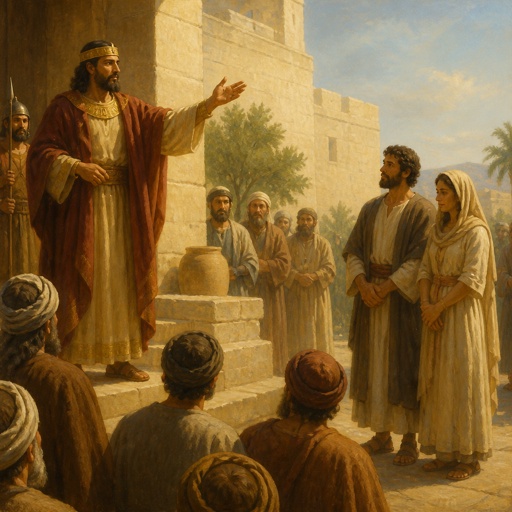
"And Abimelech charged all his people, saying, He that toucheth this man or his wife shall surely be put to death." - Genesis 26:11

Genesis 26:6 - "¶ And Isaac dwelt in Gerar:"

genesis 26:1-35

Genesis 26:26 - "¶ Then Abimelech went to him from Gerar, and Ahuzzath one of his friends, and Phichol the chief captain of his army."

Genesis 42:26 - "And they laded their asses with the corn, and departed thence."

Numbers 11:16-26

Genesis 36:26 - "And these are the children of Dishon; Hemdan, and Eshban, and Ithran, and Cheran."