What does Genesis 11:17 mean?
"And Eber lived after he begat Peleg four hundred and thirty years, and begat sons and daughters." - Genesis 11:17
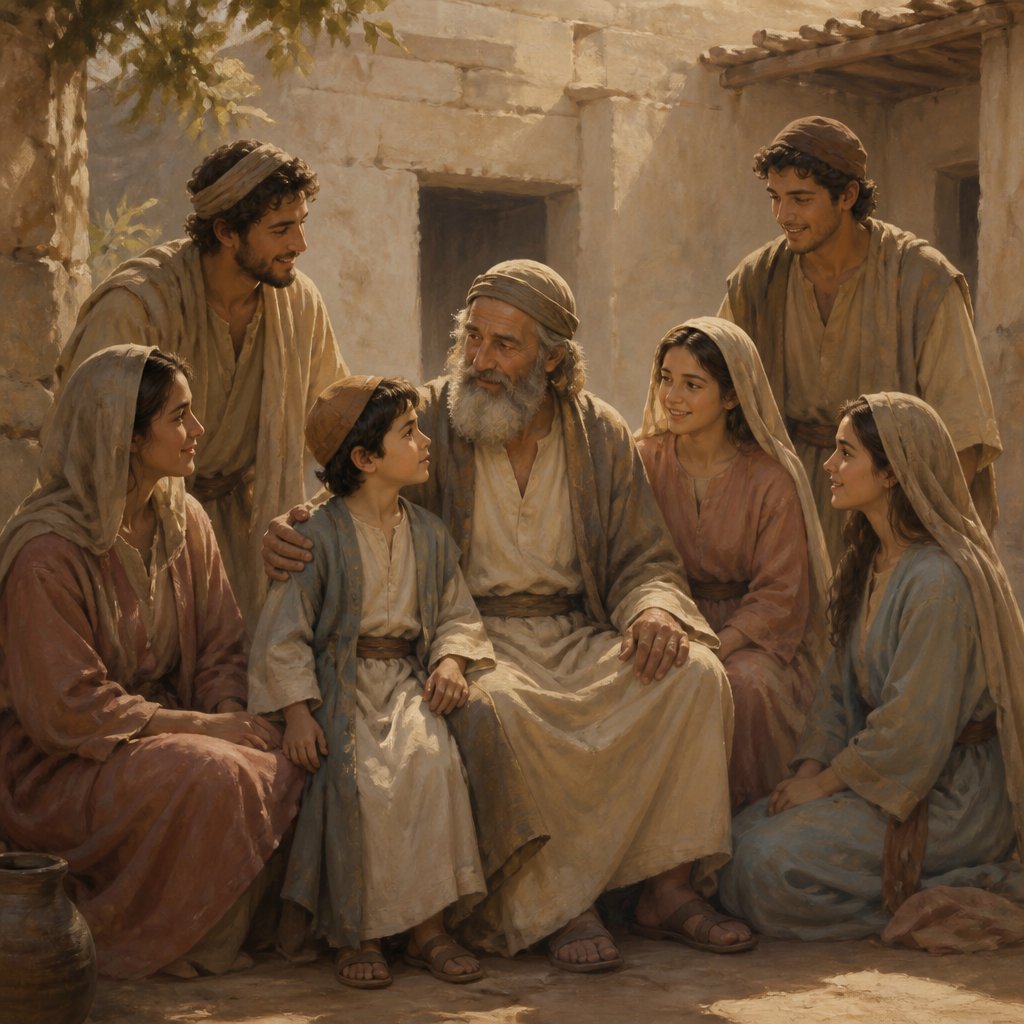
Genesis 11:17 (KJV) - "And Eber lived after he begat Peleg four hundred and thirty years, and begat sons and daughters."
This verse comes from the genealogy of Shem's descendants, which is found in Genesis 11. The genealogy begins with Shem, one of the three sons of Noah, and continues through ten generations to Abram, who would later be renamed Abraham by the Lord. Eber is one of the sons of Shem, and his name, interestingly, means "beyond" or "the region beyond," which may have some symbolic significance.
The verse states that Eber lived for 430 years after the birth of his son Peleg, and during that time, he had other sons and daughters. This information may seem mundane, but it holds significance within the larger context of the book of Genesis and biblical history as a whole.
The genealogies in the Bible serve several important purposes. Firstly, they establish a historical lineage of the people of Israel, tracing their ancestry back to the earliest generations of humanity. This reinforces the idea of a continuous thread of God's chosen people, starting with Adam and Eve and continuing through the patriarchs and matriarchs of the Old Testament.
Secondly, genealogies also reinforce the idea of continuity and heritage. In ancient cultures, one's lineage was of utmost importance, as it determined one's identity, inheritance, and social standing. The biblical genealogies serve to demonstrate the consistent fulfillment of God's promises to the descendants of Abraham, Isaac, and Jacob, as well as to establish the legitimacy of the claims and roles of important figures such as kings and priests.
In a broader sense, this verse also reflects the theme of the passage of time and the continuity of life. Eber's long life after the birth of Peleg emphasizes the enduring nature of human existence and the passing down of heritage from one generation to the next. In the Bible, longevity is often associated with divine favor, and Eber's extended life could be seen as a blessing from God.
From a symbolic perspective, Eber's name, meaning "beyond," may carry a deeper significance. It could be interpreted as a foreshadowing of the journey of faith that the descendants of Shem, particularly Abram and his descendants, would undertake. Throughout the Bible, the concept of "beyond" is often associated with spiritual and metaphorical significance, suggesting a movement towards something greater, beyond the physical and temporal realms.
Additionally, the mention of Eber having sons and daughters underscores the importance of family and procreation in the biblical narrative. In the book of Genesis, the multiplication of descendants is a recurring theme, echoing God's command to Adam and Eve to "be fruitful and multiply." The propagation of the human race is seen as a fundamental aspect of God's design for His creation.
In conclusion, while Genesis 11:17 may appear to be a brief and unremarkable verse, it holds deeper meanings within the broader biblical context. It contributes to the establishment of lineage and heritage, reinforces the themes of continuity and divine blessing, and potentially holds symbolic significance in relation to the spiritual journey of the people of God. Through careful examination and interpretation, even seemingly mundane verses in the Bible can reveal profound truths and insights into the nature of God and His plan for humanity.
Have questions about Genesis 11:17?
Dive deeper into this scripture with Bible Chat — an AI-powered tool for exploring God's Word through conversation. Ask questions, get context, and grow in your understanding of the Bible.
Get Our Apps


Genesis 11:17 Artwork

Genesis 11:17 - "And Eber lived after he begat Peleg four hundred and thirty years, and begat sons and daughters."
"And Eber lived after he begat Peleg four hundred and thirty years, and begat sons and daughters." - Genesis 11:17

Genesis 17-11

Genesis 17:11 - "And ye shall circumcise the flesh of your foreskin; and it shall be a token of the covenant betwixt me and you."

Genesis 17-17
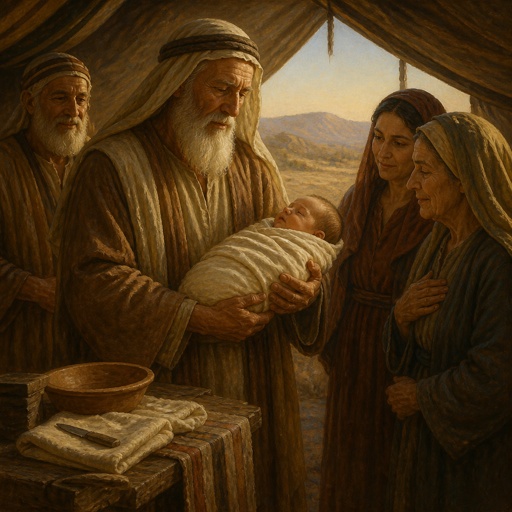
"And ye shall circumcise the flesh of your foreskin; and it shall be a token of the covenant betwixt me and you." - Genesis 17:11

Genesis 17-15

Genesis 17-23

Genesis 18-17

Genesis 17-27

Genesis 17-21

Genesis 17:2

Genesis 17:6

Genesis 17:4

Genesis 20-17

Genesis 17:8

Genesis 28-17

Genesis 17-19

Genesis 21-17

Genesis 24-17

Genesis 17-22

Genesis 17:10

Genesis 17-12

Genesis 17:1

Genesis 17-14

Genesis 22-17

Genesis 17:7

Genesis 17:5

Genesis 17-18

Genesis 19-17