What does Genesis 11:19 mean?
"And Peleg lived after he begat Reu two hundred and nine years, and begat sons and daughters." - Genesis 11:19
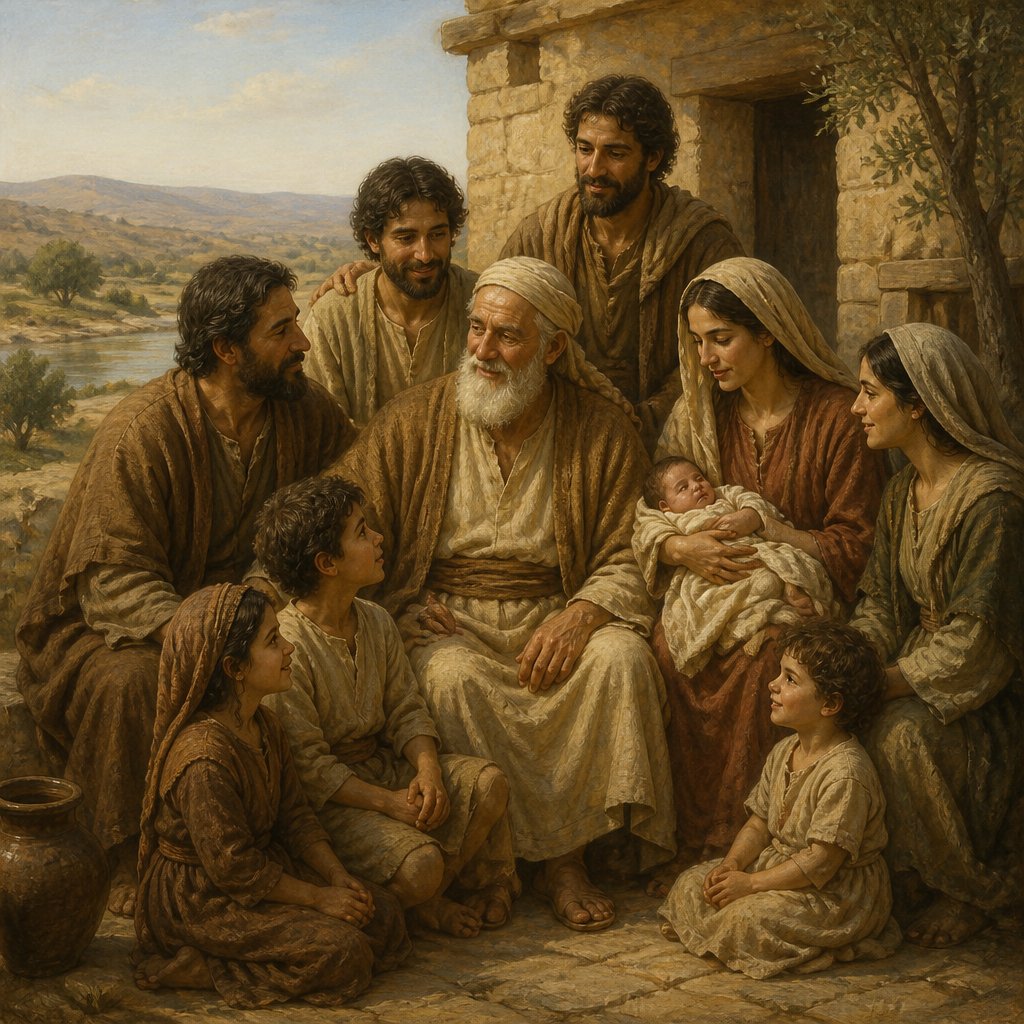
Genesis 11:19 (KJV) states: "And Peleg lived after he begat Reu two hundred and nine years, and begat sons and daughters."
This verse is a part of the genealogy in the book of Genesis, which details the descendants of the sons of Noah. Peleg was the son of Eber, who was a descendant of Shem, one of the three sons of Noah. This verse is part of a narrative that traces the lineage of Shem's descendants, which ultimately leads to the birth of Abraham, who becomes the father of the Israelite nation.
In order to fully understand the meaning and commentary of this verse, it is important to consider the context in which it is found. The book of Genesis is the first book of the Bible and it serves as an account of the creation of the world, the origin of humanity, and the early history of the Israelite people. The genealogies found in Genesis play a crucial role in establishing the identity and lineage of the key figures in the Bible, and they also serve to connect the stories of different generations.
The verse about Peleg's descendants is located within the broader context of the genealogies in Genesis, which serve as a bridge between the ancient past and the present. These genealogies establish a connection between the patriarchs of the Israelite nation and their ancestors, and they also emphasize the continuity of God's plan throughout history. In this sense, the genealogies in Genesis serve to underscore the divine purpose and providence that guides the course of human history.
In terms of specific themes and symbolism, the mention of Peleg in this verse is significant because of the meaning of his name. The name "Peleg" means "division" or "divided," and it is derived from the root word "palag," which conveys the idea of an apportionment or a separation. According to Jewish tradition, Peleg was named in reference to the division of the earth that occurred during his lifetime, which is mentioned in the following chapter in Genesis 10:25.
The symbolism of Peleg's name has been interpreted in various ways, but it is often seen as representing the dispersion and diversification of human society that occurred after the events at the Tower of Babel. According to the biblical account in Genesis 11, the people of the earth attempted to build a tower that would reach the heavens, but God intervened by confusing their language and scattering them across the earth. This act of divine intervention led to the creation of different languages and cultures, and it symbolizes the diversity and division of humanity.
From a theological perspective, the mention of Peleg in this verse serves as a reminder of the consequences of human pride and disobedience. The Tower of Babel story, which is closely linked to the narrative of Peleg's descendants, highlights the arrogance and ambition of humanity, as well as the limitations of human power and autonomy. The dispersion of the nations and the diversity of languages that arose from this event underscore the importance of humility and obedience to God's will.
In conclusion, the verse about Peleg in Genesis 11:19 is part of a larger narrative that not only traces the lineage of the Israelite patriarchs but also symbolizes the diversity and division of humanity. This verse serves as a reminder of the consequences of human pride and disobedience, and it underscores the importance of humility and obedience to God's will. The symbolism of Peleg's name and the broader context of the genealogies in Genesis contribute to the rich theological and spiritual significance of this verse.
Have questions about Genesis 11:19?
Dive deeper into this scripture with Bible Chat — an AI-powered tool for exploring God's Word through conversation. Ask questions, get context, and grow in your understanding of the Bible.
Get Our Apps


Genesis 11:19 Artwork
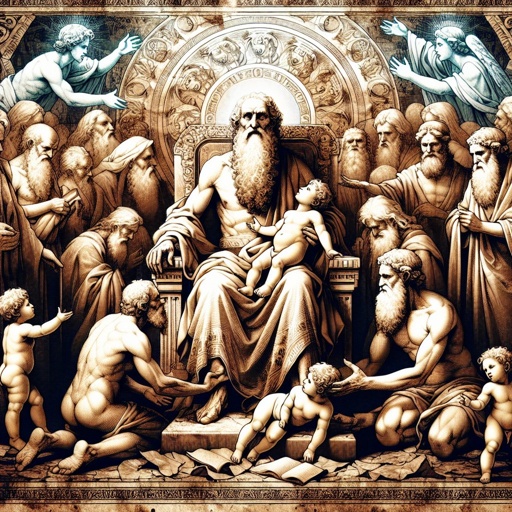
Genesis 11:19 - "And Peleg lived after he begat Reu two hundred and nine years, and begat sons and daughters."
"And Peleg lived after he begat Reu two hundred and nine years, and begat sons and daughters." - Genesis 11:19

Genesis 19-11

Genesis 19:11 - "And they smote the men that were at the door of the house with blindness, both small and great: so that they wearied themselves to find the door."

Genesis 19-19
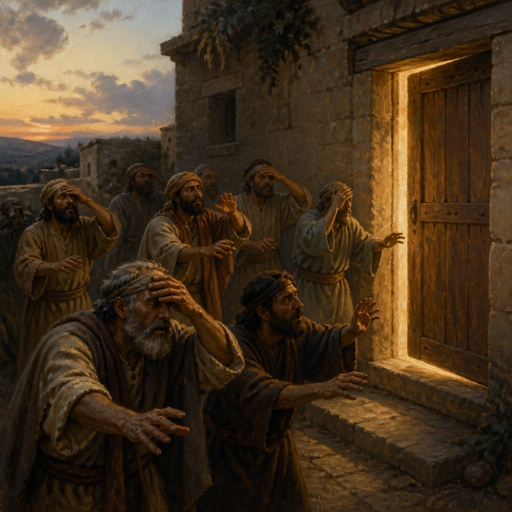
"And they smote the men that were at the door of the house with blindness, both small and great: so that they wearied themselves to find the door." - Genesis 19:11

Genesis 15:19

Genesis 23-19

Genesis 19-26

Genesis 19-13

Genesis 28-19

Genesis 19-31

Genesis 19-2

Genesis 19-29

Genesis 19-7

Genesis 19-1

Genesis 19-36

Genesis 19-4

Genesis 19-17

Genesis 19-28

Genesis 18-19

Genesis 19-12

Genesis 24-19

Genesis 19-34

Genesis 19-24

Genesis 22:19

Genesis 19-9

Genesis 19-25

Genesis 21-19

Genesis 19-32