What does Genesis 11:25 mean?
"And Nahor lived after he begat Terah an hundred and nineteen years, and begat sons and daughters." - Genesis 11:25
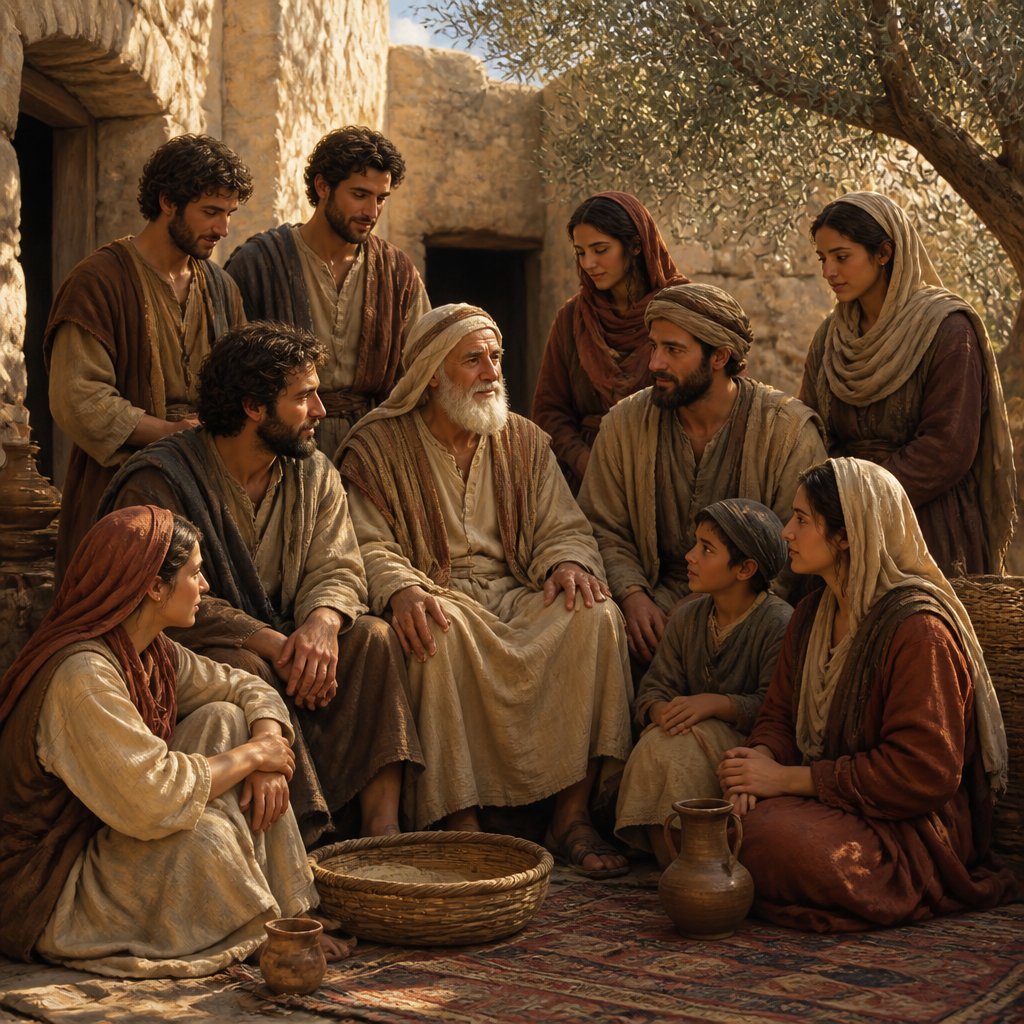
Genesis 11:25 (KJV) - "And Nahor lived after he begat Terah and hundred and nineteen years, and begat sons and daughters."
This verse from the book of Genesis is a brief mention of Nahor, who was the son of Serug and the grandfather of Abraham. It may seem unassuming at first glance, but when we delve deeper into the context and symbolism of this verse, we can uncover deeper meanings and themes that are relevant to the overall message of the Bible.
Contextually, this verse is part of the genealogy of Terah, who was the father of Abraham, Nahor, and Haran. This genealogy traces the lineage of the Hebrew people, ultimately leading to the birth of Jesus Christ. In the larger narrative of the Bible, genealogies serve as a way of connecting the past to the present and establishing a sense of continuity and lineage. They also serve as a reminder of God's faithfulness to His people throughout generations.
The theme of lineage and generational blessings is evident in this verse. In ancient Hebrew culture, the passing down of one's name, lineage, and blessings to the next generation was of great significance. The fact that Nahor lived for 119 years after he begat Terah signifies the continuation of his lineage and the blessings that come with it. This theme of generational blessings is also seen throughout the Bible, particularly in the Abrahamic covenant where God promises to bless all the nations of the earth through Abraham's offspring (Genesis 12:3).
Symbolically, the longevity of Nahor's life and his begetting of sons and daughters can be seen as a representation of God's faithfulness and provision. In the Bible, long life is often seen as a blessing from God, and the ability to bear children is also viewed as a sign of God's favor. This verse serves as a reminder of God's faithfulness in providing for His people and ensuring the continuation of His covenant promises through future generations.
Furthermore, the mention of Nahor's sons and daughters is significant in the broader biblical narrative. Throughout the Bible, the concept of family and the importance of children in carrying on God's redemptive plan is emphasized. The birth of children is often seen as a fulfillment of God's promises and a means of passing down faith and heritage to the next generation. In the case of Nahor, his children would eventually play a role in the unfolding of God's plan for the redemption of humanity.
In conclusion, Genesis 11:25 may appear to be a simple verse in the genealogy of the Bible, but upon closer examination, we can see that it holds a rich significance in terms of lineage, generational blessings, and God's faithfulness. This verse serves as a testament to the continuity of God's promises throughout generations and the role of family in carrying forth God's redemptive plan. As we reflect on this verse, we are reminded of the importance of passing down our faith and heritage to the next generation and the faithfulness of God in ensuring that His purposes are carried out through His people.
Have questions about Genesis 11:25?
Dive deeper into this scripture with Bible Chat — an AI-powered tool for exploring God's Word through conversation. Ask questions, get context, and grow in your understanding of the Bible.
Get Our Apps


Genesis 11:25 Artwork

Genesis 11:25 - "And Nahor lived after he begat Terah an hundred and nineteen years, and begat sons and daughters."
"And Nahor lived after he begat Terah an hundred and nineteen years, and begat sons and daughters." - Genesis 11:25
Genesis 25-11

Genesis 25:11 - "¶ And it came to pass after the death of Abraham, that God blessed his son Isaac; and Isaac dwelt by the well Lahai-roi."

Genesis 25:25

Genesis 1:1-25

Genesis 1:1-25

Genesis 1:1-25

Genesis 25-2

Genesis 25-18

Genesis 25-24

Genesis 25-7

Genesis 25-23

Genesis 25-14

Genesis 26:25

Genesis 50:25

Genesis 25:1

Genesis 21:25

Genesis 25-15

Genesis 25-26

Genesis 25-13

Genesis 50:25

Genesis 25-32

Genesis 25-6

Genesis 18-25

Genesis 25-16

Genesis 2:25

Genesis 18:25

Genesis 25-8

Genesis 25-10