What does Genesis 12:18 mean?
"And Pharaoh called Abram, and said, What is this that thou hast done unto me? why didst thou not tell me that she was thy wife?" - Genesis 12:18
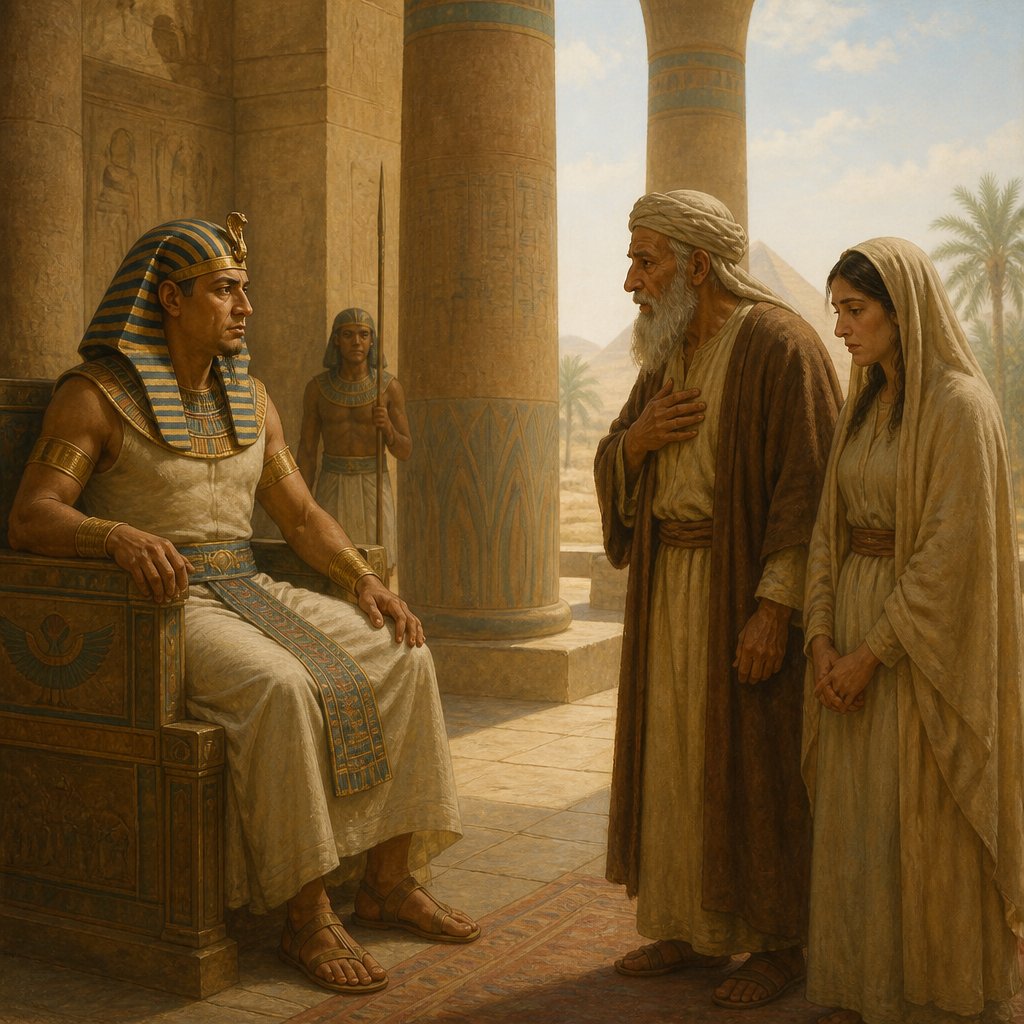
Genesis 12:18 (KJV) reads, "And Pharaoh called Abram and said, What is this that thou hast done unto me? why didst thou not tell me that she was thy wife?"
This verse is part of the story of Abram (later known as Abraham), his wife Sarai (later known as Sarah), and their encounter with Pharaoh in Egypt. This story is significant as it marks the beginning of God's covenant with Abraham and his descendants, the people of Israel.
In this verse, Pharaoh confronts Abram about his deception. Earlier in the chapter, Abram and Sarai journeyed to Egypt because of a famine in the land of Canaan. Knowing that Sarai was very beautiful, Abram feared that the Egyptians would kill him in order to take her, so he instructed her to tell everyone that she was his sister, not his wife. This deception allowed Pharaoh to take Sarai into his household, believing that she was unmarried.
When Pharaoh learns the truth, he accuses Abram of wronging him by not disclosing Sarai's true identity. This confrontation exposes the dishonesty and lack of trust between Abram and Pharaoh, as well as the potential dangers of deceit. It also highlights the vulnerability of women in patriarchal societies, where they could be taken by powerful men without their consent or knowledge.
The story of Abram and Sarai's encounter with Pharaoh reveals several key themes and lessons. First and foremost, it demonstrates the importance of honesty and integrity in dealing with others. Abram's lack of honesty not only puts Sarai in a compromising position but also jeopardizes his relationship with Pharaoh and potentially endangers the larger plan and promise that God has in store for him. This story serves as a cautionary tale about the consequences of deception and the need for transparency and trust in our relationships.
Another important theme in this verse is the idea of divine protection and intervention. Despite Abram's dishonesty, God still looks out for Sarai and intervenes to protect her from any potential harm. This shows that God's plans and purposes for his people cannot be thwarted by human failings and shortcomings. It also illustrates God's grace and mercy towards those who are called according to his purpose, even when they make mistakes.
The encounter with Pharaoh also foreshadows the future struggles that the people of Israel will face as they journey through foreign lands. The story of Abram and Sarai in Egypt serves as a prelude to the Israelites' later sojourn in Egypt and their eventual deliverance by God through Moses. It also sets the stage for the larger narrative of God's faithfulness to his chosen people, despite their flaws and the challenges they face.
Symbolically, this verse can be seen as a representation of the tension between faith and fear. Abram's decision to deceive Pharaoh is driven by his fear of being killed, but it ultimately demonstrates a lack of faith in God's ability to protect him and fulfill his promises. The story of Abram and Sarai in Egypt challenges us to trust in God's providence and sovereignty, even in the face of adversity and uncertainty.
In conclusion, Genesis 12:18 (KJV) is a crucial verse in the larger narrative of God's covenant with Abraham and the establishment of the people of Israel. It serves as a reminder of the importance of honesty and trust in our relationships, the reality of divine protection and intervention, and the call to have faith in God's promises, even in the midst of fear and uncertainty. These timeless themes and lessons continue to resonate with readers today and remind us of the enduring relevance and power of the biblical narrative.
Have questions about Genesis 12:18?
Dive deeper into this scripture with Bible Chat — an AI-powered tool for exploring God's Word through conversation. Ask questions, get context, and grow in your understanding of the Bible.
Get Our Apps


Genesis 12:18 Artwork
Genesis 12:18 - "And Pharaoh called Abram, and said, What is this that thou hast done unto me? why didst thou not tell me that she was thy wife?"
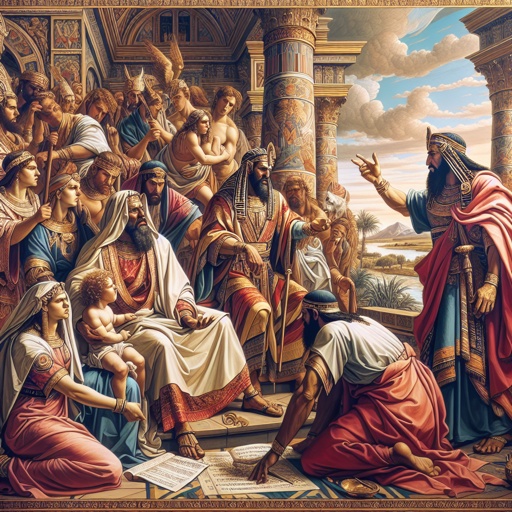
Genesis 12:18 And Pharaoh called Abram, and said, What is this that thou hast done unto me? why didst thou not tell me that she was thy wife?
"And Pharaoh called Abram, and said, What is this that thou hast done unto me? why didst thou not tell me that she was thy wife?" - Genesis 12:18

Genesis 18-12

Genesis 18:12 - "Therefore Sarah laughed within herself, saying, After I am waxed old shall I have pleasure, my lord being old also?"
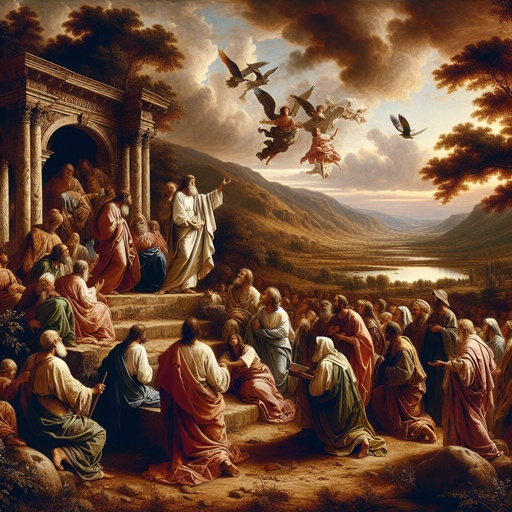
Genesis 18-18

Genesis 24-18

Genesis 18-26

Genesis 17-18

Genesis 18-32

Genesis 18-30

Genesis 18-25

Genesis 26:18

Genesis 22-18

Genesis 18-10

Genesis 18-16

Genesis 18:25

Genesis 18-9

Genesis 18-2

Genesis 18-19
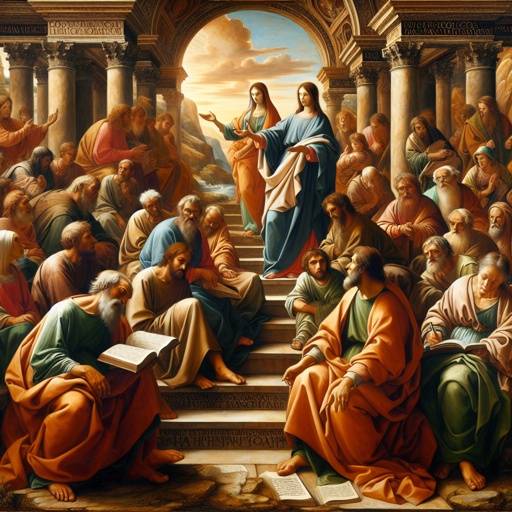
Genesis 15:18

Genesis 18-1

Genesis 23-18

Genesis 18-28

Genesis 18-14

Genesis 25-18

Genesis 18-22

Genesis 20-18

Genesis 18-3

Genesis 18-17