What does Genesis 12:15 mean?
“The princes also of Pharaoh saw her, and commended her before Pharaoh: and the woman was taken into Pharaoh’s house.” — Genesis 12:15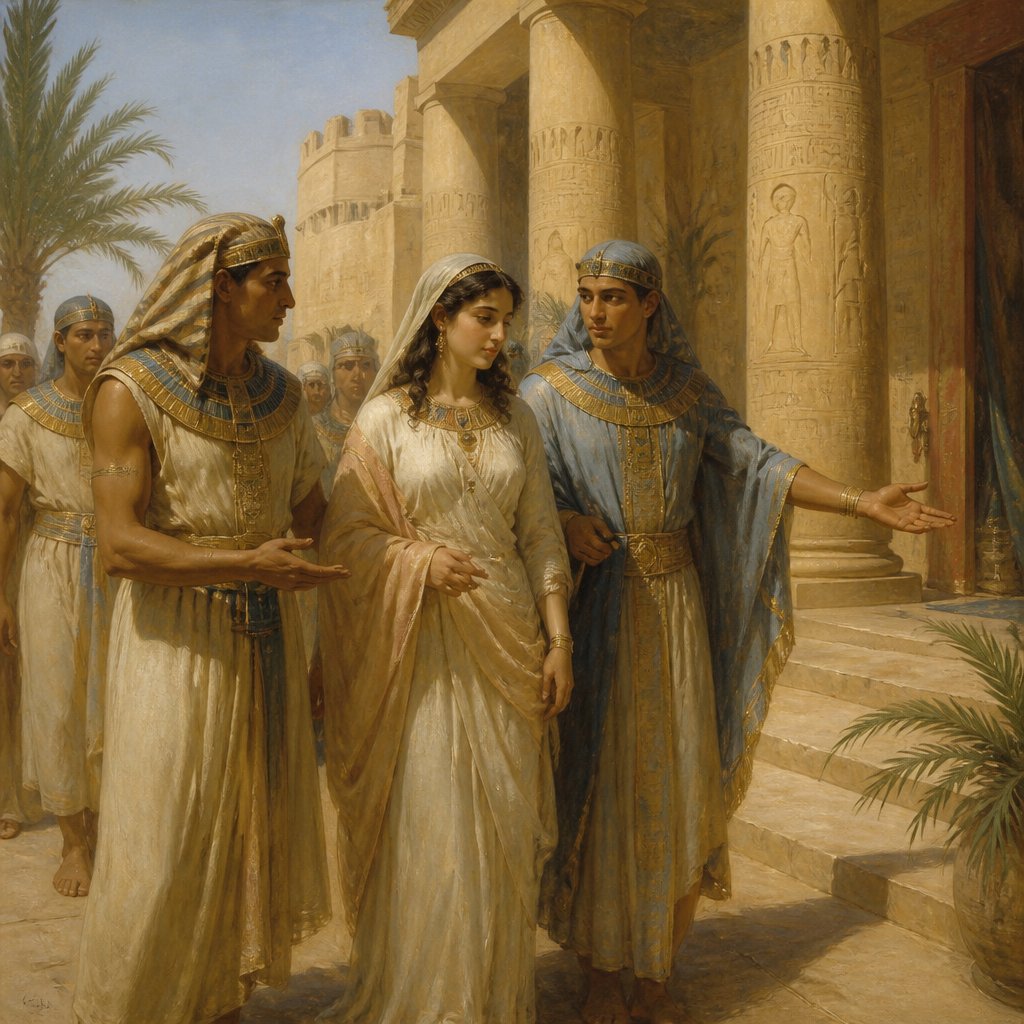
Genesis 12:15 (KJV) states: "The princes also of Pharaoh saw her, and commended her before Pharaoh: and the woman was taken into Pharaoh's house."
This verse is part of the story of Abram (later known as Abraham) and his wife Sarai in the book of Genesis. This particular passage takes place in Egypt, where Abram and Sarai had traveled due to a famine in the land of Canaan. Abram, fearing for his life, instructs Sarai to tell the Egyptians that she is his sister, as he believed they would kill him to take her as their own. However, this deception ultimately led to Sarai being taken into Pharaoh's house.
This verse reveals a significant and relevant theme of morality and consequences. It emphasizes the consequences of making unethical choices and attempting to deceive others. Abram's decision to lie about his relationship with Sarai in order to save his own life not only resulted in her being taken into Pharaoh's house but also led to a lack of trust in their relationship. This serves as a lesson about the perils of dishonesty and the potential harm that can come from it.
The context of this verse is essential to understanding its significance. At this point, Abram had already received a promise from God that he would become a great nation and would be immensely blessed. However, due to the famine, Abram and Sarai had gone to Egypt, and instead of relying on God's promise, Abram opted to rely on his own deceitful methods. This shows a lack of faith and trust in God's plan, which ultimately led to negative consequences. This context helps to underscore the theme of trust and reliance on God's promises, rather than resorting to deceptive tactics.
The symbolism in this verse is also noteworthy. Sarai, being taken into Pharaoh's house, can be seen as a symbol of vulnerability and the consequences of being untruthful. It also serves to highlight the power dynamics at play in the ancient world, as a woman like Sarai had little agency or power in such a situation. This can be seen as a cautionary tale about the implications of deceit and the potential harm it can cause, particularly to those who are more vulnerable.
In summary, Genesis 12:15 (KJV) is a pivotal verse in the story of Abram and Sarai, illustrating the consequences of deceit and the importance of trust and reliance on God's promises. The themes of morality, consequences, trust, and vulnerability are all interwoven in this passage, providing valuable insights into the complexities of human behavior and the importance of faith in God's plan. This verse ultimately serves as a cautionary tale about the potential harm that can result from dishonesty and a lack of trust in the divine.
Get our apps


Artwork for Genesis 12:15

Genesis 12:15 - "The princes also of Pharaoh saw her, and commended her before Pharaoh: and the woman was taken into Pharaoh's house."

Genesis 12:15 The princes also of Pharaoh saw her, and commended her before Pharaoh: and the woman was taken into Pharaoh's house.
"The princes also of Pharaoh saw her, and commended her before Pharaoh: and the woman was taken into Pharaoh's house." - Genesis 12:15

Genesis 15:12

Genesis 15:12 - "And when the sun was going down, a deep sleep fell upon Abram; and, lo, an horror of great darkness fell upon him."

Genesis 15:15

Genesis 28-15

Genesis 17-15

Genesis 15:20

Genesis 15:10

Genesis 22:15

Genesis 15:11

Genesis 20-15

Genesis 16:15

Genesis 24-15

Genesis 15:14

Genesis 19-15

Genesis 25-15

Genesis 18-15

Genesis 15:9

Genesis 15:13

Genesis 23-15

Genesis 21-15

Genesis 12

Genesis 24:15

Genesis 15:19

Genesis 15:16

Genesis 15:7

Genesis 15:17
Genesis 15:18