What does Genesis 12:6 mean?
"And Abram passed through the land unto the place of Sichem, unto the plain of Moreh. And the Canaanite was then in the land." - Genesis 12:6
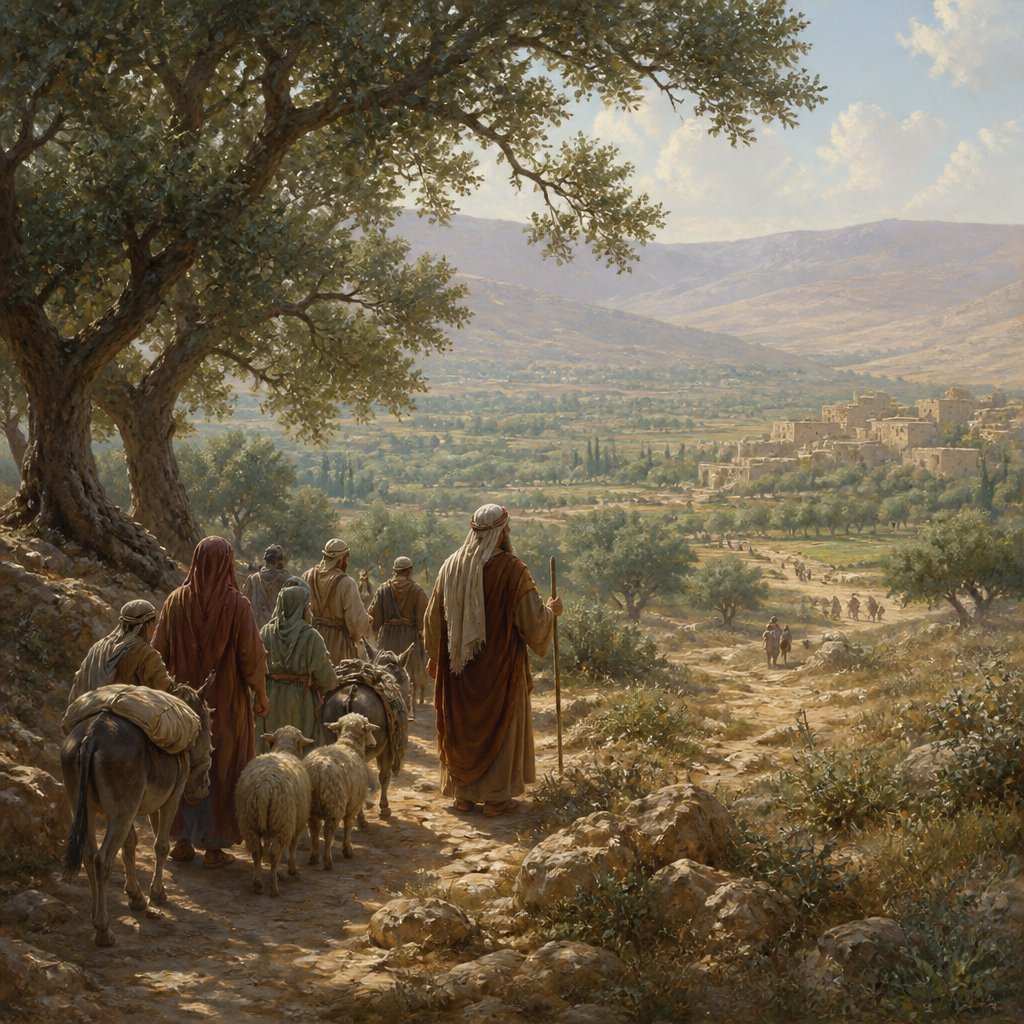
Genesis 12:6 (KJV) states, "And Abram passed through the land unto the place of Sichem, unto the plain of Moreh. And the Canaanite was then in the land."
This verse is part of the larger narrative of Genesis, which tells the story of the patriarchs and the beginnings of the Israelite people. In this particular verse, Abram, who would later be renamed Abraham by God, is on a journey through the land of Canaan.
The passage of Abram through the land of Canaan is significant for several reasons. First, it demonstrates Abram's obedience and faith in God. In the preceding verses, God had called Abram to leave his home and his family and journey to a land that God would show him. Abram responded to this call with unwavering faith, despite not knowing where he was going or what awaited him. In passing through the land of Canaan, Abram was essentially following God's lead and fulfilling his divine purpose.
Secondly, this verse also lays the groundwork for the Israelites' future claim to the land of Canaan. The fact that the Canaanites were living in the land at the time of Abram's journey indicates that this was a land already inhabited by other peoples. This foreshadows the conflicts and struggles that the Israelites would face in claiming Canaan as their promised land, as described in the later books of the Bible. It also highlights the theme of conquest and the displacement of indigenous peoples, a theme that has been the source of much discussion and debate throughout history.
The specific locations mentioned in the verse, Sichem and the plain of Moreh, also hold significance. Sichem is known as the place where Abram built an altar to the Lord (Genesis 12:7). This act of worship and devotion marks the beginning of the Israelites' ties to the land of Canaan and sets the stage for the religious significance that the land would hold for the Israelites in the future. The plain of Moreh is said to be the location where God first appeared to Abram and promised to give him the land of Canaan (Genesis 12:7). The encounter between God and Abram in this place reinforces the divine nature of the Israelites' claim to the land and sets the stage for the covenant that God would establish with Abram and his descendants.
The mention of the Canaanites in the land also points to the broader theme of the presence of indigenous peoples in the land of Canaan. Throughout the Bible, the Canaanites are depicted as inhabitants of the land that the Israelites are called to possess. The interactions between the Israelites and the Canaanites, as well as other indigenous peoples, raise questions about ownership, stewardship, and the ethical treatment of other cultures. These issues continue to be relevant in today's discussions about land rights and the treatment of indigenous peoples.
In a broader context, this verse is part of the larger narrative of the book of Genesis, which traces the origins of humanity and the development of God's plan for salvation. The journey of Abram through the land of Canaan serves as a foundational event in the history of the Israelite people and sets the stage for the fulfillment of God's promises to Abraham and his descendants. This verse also introduces key themes and motifs that will be developed throughout the biblical narrative, such as faith, obedience, land inheritance, and the relationship between the Israelites and the indigenous peoples of Canaan.
In conclusion, Genesis 12:6 (KJV) is a pivotal verse in the larger narrative of Genesis, marking Abram's journey through the land of Canaan and laying the groundwork for the Israelites' future claim to the land. The verse highlights themes of faith, obedience, land inheritance, and the presence of indigenous peoples, setting the stage for the broader biblical narrative of God's plan for salvation and the development of the Israelite people. The verse continues to hold significance for contemporary discussions about land rights, stewardship, and the treatment of indigenous cultures.
Have questions about Genesis 12:6?
Dive deeper into this scripture with Bible Chat — an AI-powered tool for exploring God's Word through conversation. Ask questions, get context, and grow in your understanding of the Bible.
Get Our Apps


Genesis 12:6 Artwork

Genesis 12:6 - "¶ And Abram passed through the land unto the place of Sichem, unto the plain of Moreh. And the Canaanite was then in the land."
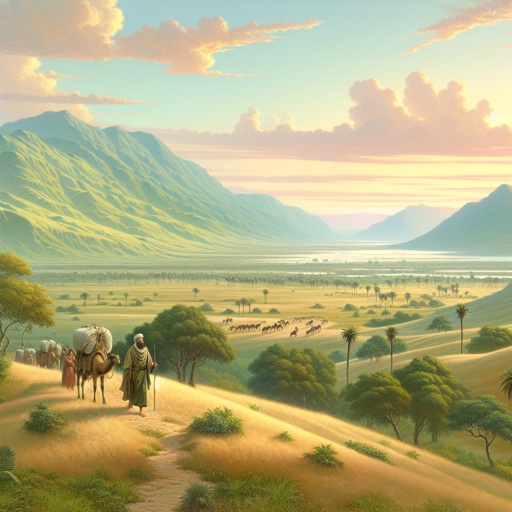
Genesis 12:6 And Abram passed through the land unto the place of Sichem, unto the plain of Moreh. And the Canaanite was then in the land.
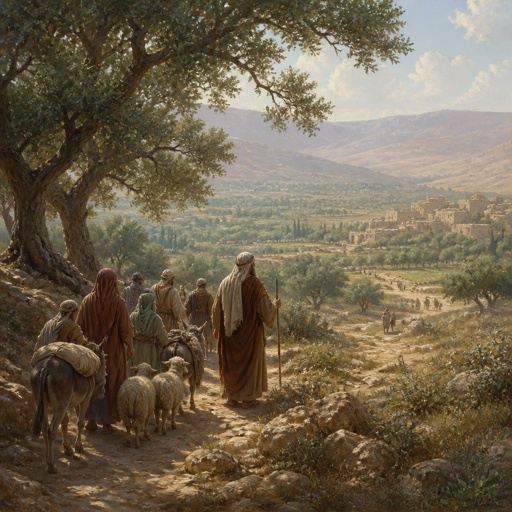
"¶ And Abram passed through the land unto the place of Sichem, unto the plain of Moreh. And the Canaanite was then in the land." - Genesis 12:6

Genesis 39:6-12

Genesis 6:12 - "And God looked upon the earth, and, behold, it was corrupt; for all flesh had corrupted his way upon the earth."

Genesis 12
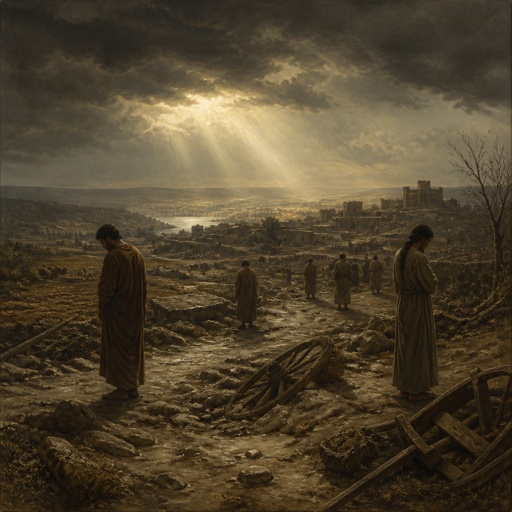
"And God looked upon the earth, and, behold, it was corrupt; for all flesh had corrupted his way upon the earth." - Genesis 6:12

Genesis 28-12

Genesis 22-12

Genesis 17-12

Genesis 21-12

Genesis 20-12

Genesis 18-12

Genesis 16:12

Genesis 39:12

Genesis 25:12

Genesis 15:12

Genesis 19-12

Genesis 23-12

Genesis 24-12

Genesis 1:6-8

Genesis 1:6-8

Genesis 29-6

Genesis 18-6

Genesis 19-6

Genesis 17:6

Genesis 23-6

Genesis 18-6

Genesis 16:6

Genesis 25-6