What does Genesis 13:15 mean?
“For all the land which thou seest, to thee will I give it, and to thy seed for ever.” — Genesis 13:15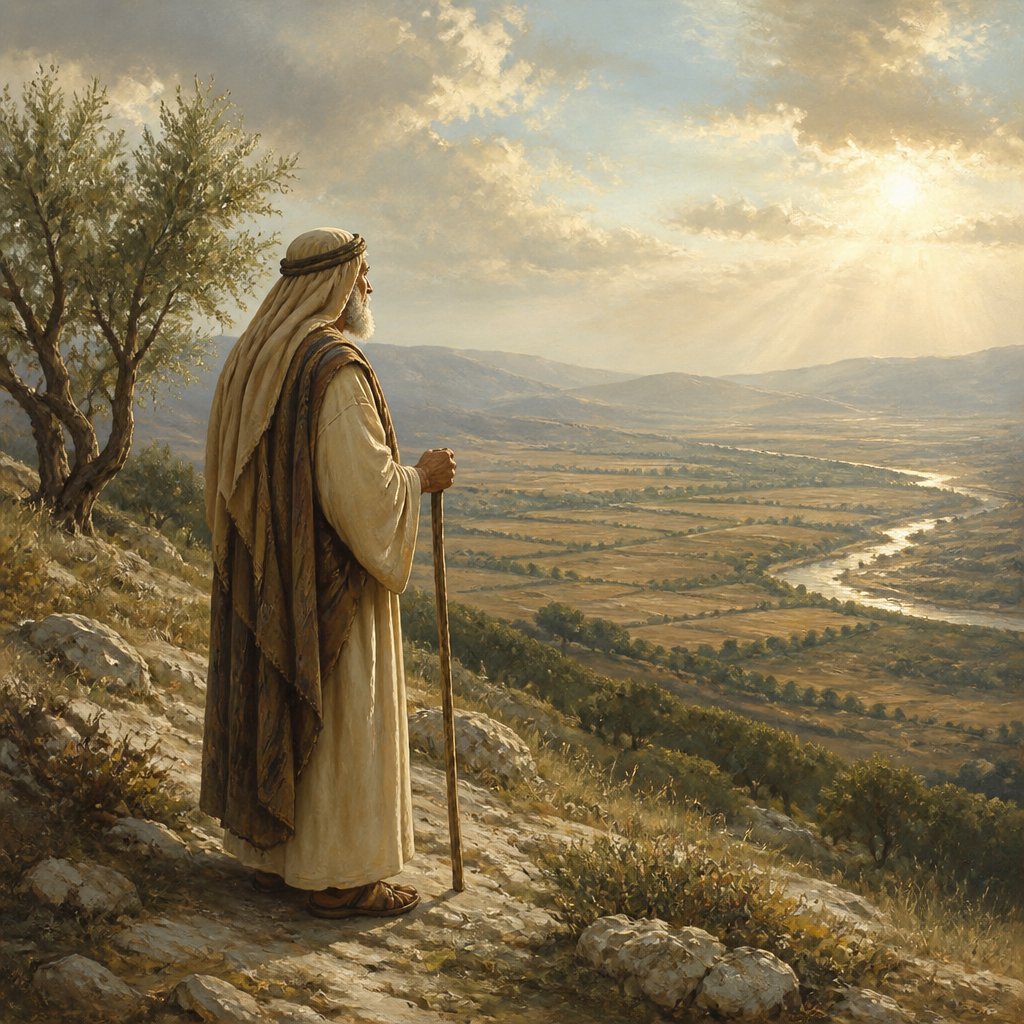
Genesis 13:15 (KJV) states, "For all the land which thou seest, to thee will I give it, and to thy seed for ever." This verse is part of a larger passage in the book of Genesis that tells the story of Abram (later known as Abraham) and his nephew Lot. In this passage, Abram and Lot have parted ways, with Lot choosing to settle in the fertile plains of the Jordan River, while Abram settles in the land of Canaan.
The verse is significant in the larger context of the biblical narrative because it represents a pivotal moment in God's covenant with Abram. In this passage, God promises to give to Abram and his descendants the land that Abram can see, as far as his eyes can see. This promise is part of a larger covenant that God makes with Abram in Genesis 12:1-3, in which God promises to make Abram into a great nation, to bless him, and to make his name great, so that he will be a blessing to others.
The promise of land to Abram and his descendants is a central theme in the biblical narrative, as it is repeatedly emphasized throughout the Old Testament. This promise is known as the "Land Promise" and is a key aspect of God's covenant with the Israelites. The fulfillment of this promise is connected to the idea of a homeland for the Jewish people, and is seen as a central aspect of God's plan for the nation of Israel.
In addition to the theme of the Land Promise, this verse also reflects the broader theme of God's faithfulness and provision for his people. Throughout the biblical narrative, God is portrayed as a faithful and trustworthy provider, who fulfills his promises to his people. This can be seen not only in the Land Promise to Abram, but also in God's provision of food, shelter, and protection for the Israelites throughout their history.
The verse also contains important symbolism, particularly in its connection to the idea of the Promised Land. The Promised Land is not only a physical place, but also a symbol of God's presence and blessing for his people. It is seen as a place of rest, security, and abundance, where the Israelites can thrive and flourish.
Furthermore, the promise of the land to Abram and his descendants is also connected to the idea of inheritance. In the biblical context, inheritance is not only a material possession, but also a spiritual and symbolic inheritance of God's promises and blessings. This inheritance is passed down from generation to generation, and is a central aspect of God's relationship with his people.
In conclusion, Genesis 13:15 (KJV) is a significant verse in the biblical narrative that reflects important themes of God's faithfulness, provision, and inheritance for his people. It is a pivotal moment in God's covenant with Abram, and represents the promise of the land to his descendants. This verse continues to be a central aspect of the biblical narrative, and is a powerful reminder of God's enduring faithfulness to his people.
Get our apps


Artwork for Genesis 13:15

Genesis 13:15 - "For all the land which thou seest, to thee will I give it, and to thy seed for ever."
Genesis 13:15 For all the land which you see, to you will I give it, and to your seed for ever.
"For all the land which thou seest, to thee will I give it, and to thy seed for ever." - Genesis 13:15

Genesis 15:13

Genesis 15:13 - "And he said unto Abram, Know of a surety that thy seed shall be a stranger in a land that is not their's, and shall serve them; and they shall afflict them four hundred years;"

Genesis 15:15

Genesis 28-15

Genesis 17-15

Genesis 15:20

Genesis 15:10

Genesis 22:15

Genesis 15:11

Genesis 20-15

Genesis 16:15

Genesis 24-15

Genesis 15:14

Genesis 19-15

Genesis 25-15

Genesis 18-15

Genesis 15:9

Genesis 23-15

Genesis 21-15

Genesis 13:13 - "But the men of Sodom were wicked and sinners before the LORD exceedingly."

Genesis 24:15

Genesis 15:19

Genesis 15:16

Genesis 15:7

Genesis 15:17
Genesis 15:18

Genesis 15:12