What does Genesis 14:4 mean?
"Twelve years they served Chedorlaomer, and in the thirteenth year they rebelled." - Genesis 14:4
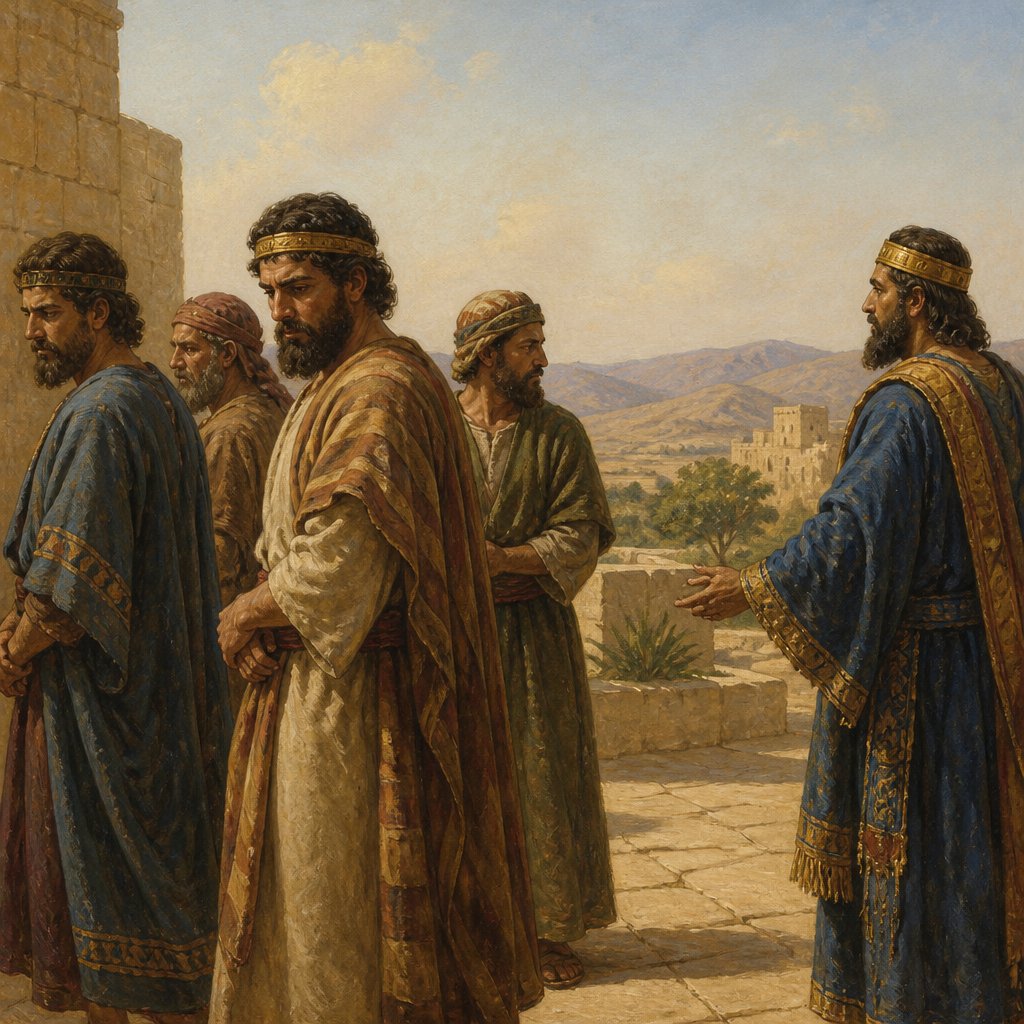
Genesis 14:4 (KJV) reads, "Twelve years they served Chedorlaomer, and in the thirteenth year they rebelled." This verse is part of the account of the war of the kings in the book of Genesis, which details the conflict between several kings in the ancient Near East. This specific verse references the rebellion of the kings who had served Chedorlaomer for twelve years.
The book of Genesis is the first book of the Bible and serves as a foundation for the rest of the biblical narrative. It details the creation of the world, the origin of humanity, and the establishment of God's covenant with His people. The story of the war of the kings is an important part of the Genesis narrative as it highlights the theme of rebellion and the consequences of disobedience.
In the context of the war of the kings, Chedorlaomer was the king of Elam, and he had established dominance over several other kings in the region. These kings had served him for twelve years, but in the thirteenth year, they rebelled against his rule. This act of rebellion ultimately led to a military confrontation and the defeat of the rebellious kings.
One of the key themes of this verse is the concept of servitude and rebellion. The fact that the kings served Chedorlaomer for twelve years demonstrates their submission to his authority. However, their decision to rebel in the thirteenth year represents a defiance of that authority. This theme of rebellion against authority is a recurring motif throughout the Bible, and it often carries significant consequences.
In a broader sense, this verse can also be understood as a metaphor for the human tendency to rebel against God's authority. Throughout the biblical narrative, humanity is depicted as continually turning away from God and His commands. This rebellion ultimately leads to the brokenness and suffering that plagues the world. Just as the rebellious kings faced the consequences of their defiance, so too do individuals face the consequences of their own rebellion against God.
Symbolically, the number twelve is significant in the Bible as it often represents completeness or perfection. The fact that the kings served Chedorlaomer for twelve years before rebelling may indicate a period of fulfillment or completion, after which they felt compelled to challenge his authority. The number thirteen, on the other hand, is often associated with rebellion or disorder in the Bible. This symbolism adds depth to the narrative, emphasizing the significance of the kings' act of defiance.
Ultimately, the rebellion of the kings in Genesis 14:4 serves as a cautionary tale, highlighting the consequences of disobedience and rebellion. It also underscores the broader biblical theme of the human inclination to rebel against God's authority. Through this verse, readers are encouraged to consider their own attitudes towards authority and obedience, and to reflect on the ultimate consequences of defiance. In doing so, the verse offers a powerful reminder of the importance of submission to God's will and the potentially dire results of rebellion.
Have questions about Genesis 14:4?
Dive deeper into this scripture with Bible Chat — an AI-powered tool for exploring God's Word through conversation. Ask questions, get context, and grow in your understanding of the Bible.
Get Our Apps


Genesis 14:4 Artwork

Genesis 14:4 - "Twelve years they served Chedorlaomer, and in the thirteenth year they rebelled."
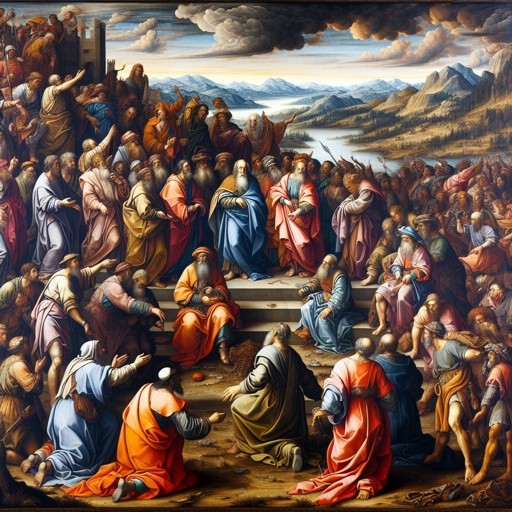
Genesis 14:4 Twelve years they served chedorlaomer, and in the thirteenth year they rebelled.
"Twelve years they served Chedorlaomer, and in the thirteenth year they rebelled." - Genesis 14:4

Genesis 22 14

Genesis 19-14

Genesis 21:14

Genesis 15:14

Genesis 22-14

Genesis 25-14

Genesis 23-14

Genesis 24-14

Genesis 17-14

Genesis 16:14

Genesis 20-14

Genesis 28-14

Genesis 18-14
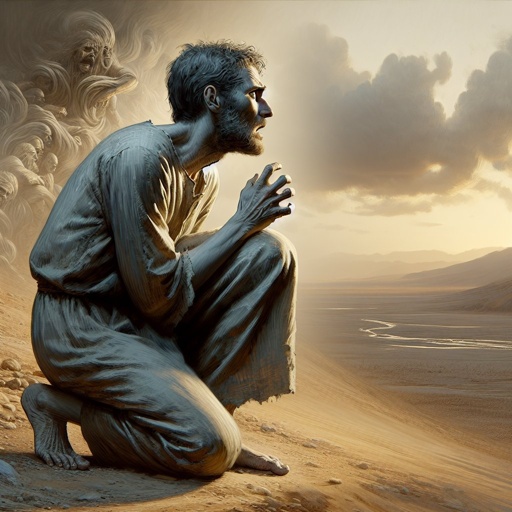
Genesis 4:14 - "Behold, thou hast driven me out this day from the face of the earth; and from thy face shall I be hid; and I shall be a fugitive and a vagabond in the earth; and it shall come to pass, that every one that findeth me shall slay me."

Genesis 25:14 - "And Mishma, and Dumah, and Massa,"

Genesis 18:9-14

Genesis 1:10-14

Genesis 18:1-14

Genesis 14:1-2

Genesis 18:11-14

Genesis 22:1-14

Genesis 46:14 - "¶ And the sons of Zebulun; Sered, and Elon, and Jahleel."

Genesis 23:14 - "And Ephron answered Abraham, saying unto him,"

Genesis 23-4

Genesis 20-4

Genesis 21-4

Genesis 17:4