What does Genesis 14:3 mean?
"All these were joined together in the vale of Siddim, which is the salt sea." - Genesis 14:3
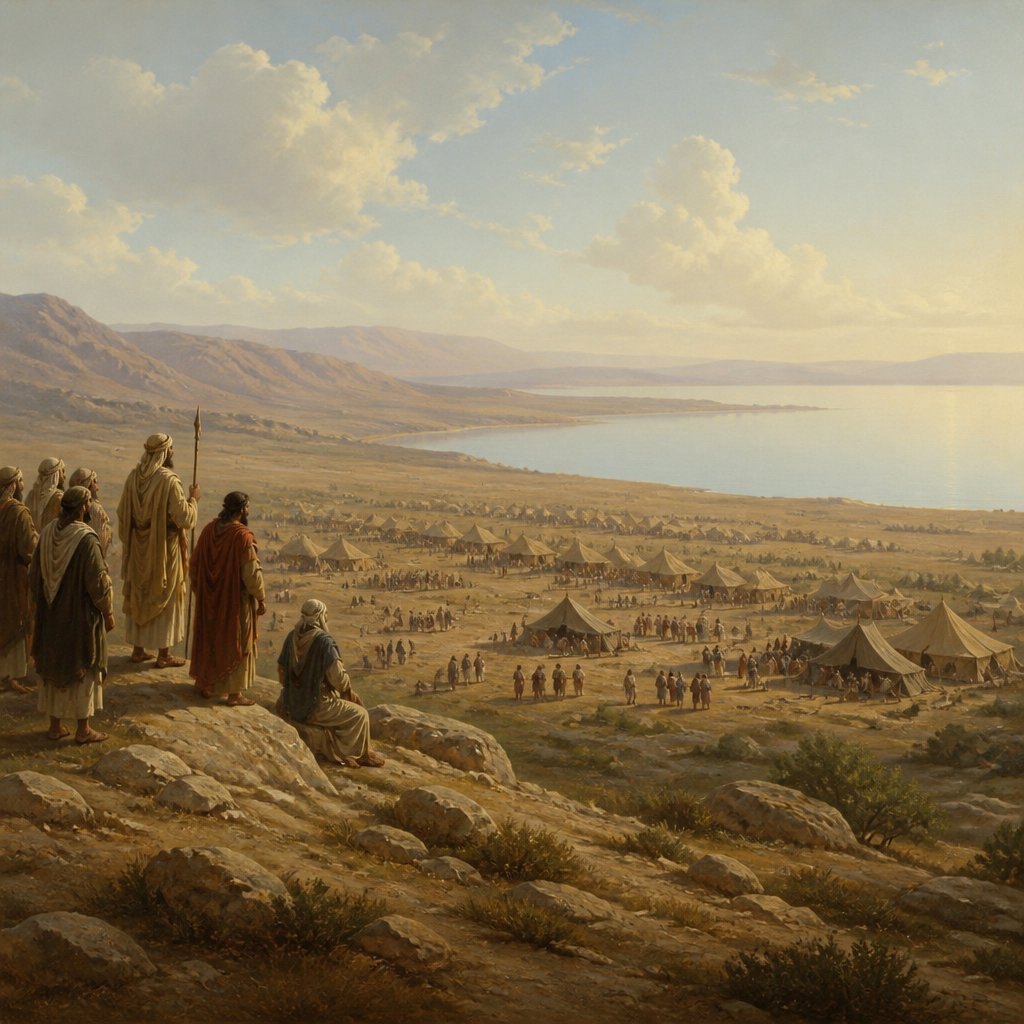
Genesis 14:3 (KJV) reads, "All these were joined together in the vale of Siddim, which is the salt sea."
In order to understand the significance of this verse, it is important to consider the context in which it occurs. Genesis 14 describes a war between the kings of Sodom, Gomorrah, Admah, Zeboiim, and Bela (Zoar) on one side, and the kings of Elam, Shinar, Ellasar, and Tidal on the other. The battle took place in the Vale of Siddim, which is believed to be the area now occupied by the Dead Sea. It is within this context that we find the verse in question.
The Vale of Siddim was an area known for its abundance of bitumen pits, which were used for construction and waterproofing. It was a place of great importance for the cities that surrounded it, as it provided them with valuable resources. The presence of these natural resources would have likely made the Vale of Siddim a desirable location for trade and commerce, as well as a strategic military target.
The verse itself simply states that all the aforementioned kings were "joined together" in the Vale of Siddim. This suggests a gathering of forces, perhaps in preparation for the upcoming battle. The use of the term "joined together" may also imply a sense of unity and cooperation among the kings, as they came together in a common cause. Additionally, the fact that they were all in the same location highlights the significance of the Vale of Siddim in the events that unfold in Genesis 14.
One possible symbolic interpretation of this verse is the idea of unity and collaboration in the pursuit of common goals. The kings' decision to come together in the Vale of Siddim may be seen as a demonstration of their ability to set aside their individual interests and work towards a shared objective. This can be seen as a lesson in the value of cooperation and alliance, particularly in times of adversity or conflict. It also serves as a reminder that the pursuit of common goals can often be more effectively achieved through collective efforts.
Additionally, the Vale of Siddim can be seen as a symbol of the world's resources and the importance of strategic locations. Throughout history, regions rich in natural resources have often been the focus of conflict and competition. The presence of valuable resources in the Vale of Siddim may be seen as a reminder of the potential for material wealth to spark conflict, as well as the role of geography in shaping the course of human events.
The story of the war in the Vale of Siddim and the events surrounding it also serve to highlight the theme of power and its various manifestations. The conflicts between the kings and their respective forces reflect the struggles for dominance and control that have been a constant throughout human history. The choice of location for the battle, with its strategic importance and valuable resources, further underscores the pursuit of power and the lengths to which people will go to secure it.
In conclusion, Genesis 14:3 offers a glimpse into the events leading up to a significant conflict and highlights the themes of unity, collaboration, and power. The verse serves as a reflection of the significance of the Vale of Siddim in the context of the events that unfold in Genesis 14 and provides valuable insights into the dynamics of human relationships and the pursuit of material wealth and power.
Have questions about Genesis 14:3?
Dive deeper into this scripture with Bible Chat — an AI-powered tool for exploring God's Word through conversation. Ask questions, get context, and grow in your understanding of the Bible.
Get Our Apps


Genesis 14:3 Artwork

Genesis 14:3 - "All these were joined together in the vale of Siddim, which is the salt sea."

Genesis 14:3 All these were joined together in the vale of Siddim, which is the salt sea.
"All these were joined together in the vale of Siddim, which is the salt sea." - Genesis 14:3

Genesis 22 14

Genesis 21:14

Genesis 19-14

Genesis 25-14

Genesis 15:14

Genesis 23-14

Genesis 24-14

Genesis 22-14

Genesis 17-14

Genesis 16:14

Genesis 20-14

Genesis 28-14

Genesis 18-14

Genesis 25:14 - "And Mishma, and Dumah, and Massa,"

Genesis 3:14 - "And the LORD God said unto the serpent, Because thou hast done this, thou art cursed above all cattle, and above every beast of the field; upon thy belly shalt thou go, and dust shalt thou eat all the days of thy life:"

Genesis 1:10-14

Genesis 18:9-14

Genesis 14:1-2

Genesis 18:1-14

Genesis 18:11-14

Genesis 22:1-14

Genesis 3

Genesis 46:14 - "¶ And the sons of Zebulun; Sered, and Elon, and Jahleel."

Genesis 23:14 - "And Ephron answered Abraham, saying unto him,"

Genesis 3:8

Genesis 18-3
Genesis 19-3