What does Genesis 14:5 mean?
“And in the fourteenth year came Chedorlaomer, and the kings that were with him, and smote the Rephaims in Ashteroth Karnaim, and the Zuzims in Ham, and the Emims in Shaveh Kiriathaim,” — Genesis 14:5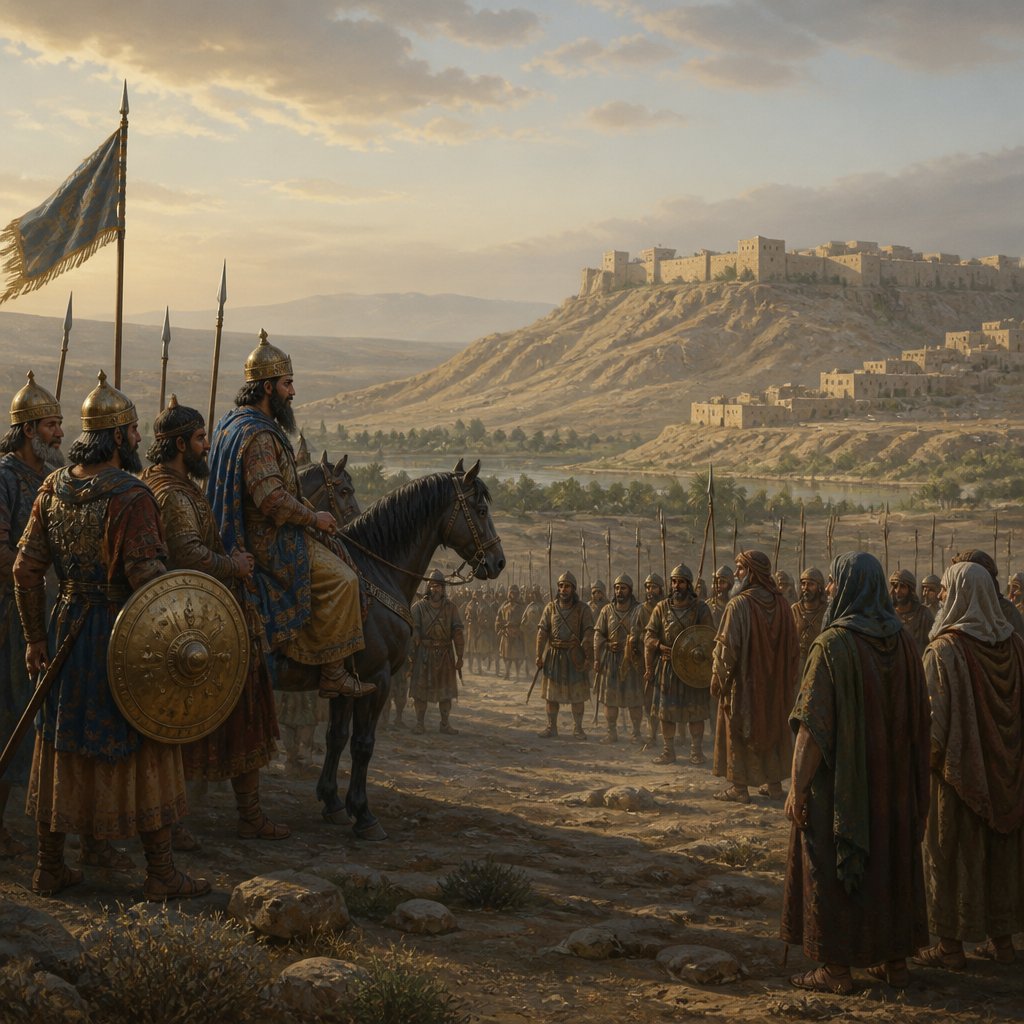
Genesis 14:5 (KJV) "And in the fourteenth year came Chedorlaomer, and the kings that were with him, and smote the Rephaims in Ashteroth Karnaim, and the Zuzims in Ham, and the Emims in Shaveh Kiriathaim,"
This verse is part of the larger narrative in Genesis that describes the events surrounding the battle of the kings. The chapter begins by listing the kings who were involved in a war against the kings of Sodom and Gomorrah. Chedorlaomer, the king of Elam, along with three other kings, went to war against the kings of Sodom, Gomorrah, Admah, Zeboiim, and Bela. The battle took place in the Valley of Siddim, which was full of tar pits, and eventually, the kings of Sodom and Gomorrah fled, and their cities were plundered by the victorious kings. Lot, Abraham's nephew, who lived in Sodom, was taken captive along with the people of the city.
In this particular verse, the focus is on the defeat of the Rephaims in Ashteroth Karnaim, the Zuzims in Ham, and the Emims in Shaveh Kiriathaim by Chedorlaomer and the kings who were with him. These were the inhabitants of the cities that were defeated by the invading kings, and their defeat is significant in the context of the larger narrative.
The meaning of this verse is multi-faceted. At a surface level, it is a historical account of a battle between different kingdoms in the ancient world. However, it also holds deeper spiritual and symbolic meanings that are relevant to understanding the themes and context of the larger biblical narrative.
One of the key themes in this verse is the concept of warfare and conquest. The battles described in this chapter reflect the historical reality of conflicts between ancient kingdoms, but they also serve as a backdrop for larger spiritual themes. The Bible often uses physical battles and conquests as a metaphor for spiritual warfare and the struggle between good and evil. This verse can be seen as a symbol of the ongoing conflict between the forces of darkness and the forces of light, a theme that is prevalent throughout the Bible.
Another important theme that emerges from this verse is the idea of divine justice. The defeat of the inhabitants of these cities by Chedorlaomer and his allies can be seen as an example of divine judgment. The cities mentioned were associated with idolatry and wickedness, and their defeat can be interpreted as a punishment for their sins. This theme of divine judgment is a recurring motif in the Bible, and it underscores the idea that God is intimately involved in the affairs of the world and holds individuals and nations accountable for their actions.
In addition to these themes, this verse also contains symbolic significance. The names of the cities and the peoples mentioned in the verse hold symbolic meanings that can be interpreted allegorically. For example, Ashteroth Karnaim was associated with the worship of the goddess Ashtoreth, and the defeat of the Rephaims can be seen as a symbolic victory over idolatry and false worship. Similarly, the defeat of the Zuzims and Emims can be understood as a triumph over the forces of evil and darkness.
In conclusion, Genesis 14:5 is a verse that is rich in meaning and symbolism. It is a historical account of a battle between ancient kingdoms, but it also carries deeper spiritual and allegorical significance. It speaks to themes of warfare and conquest, divine justice, and the ongoing struggle between good and evil. By understanding these deeper layers of meaning, we can gain a deeper appreciation for the larger biblical narrative and its timeless relevance.
Get our apps


Artwork for Genesis 14:5

Genesis 14:5 - "And in the fourteenth year came Chedorlaomer, and the kings that were with him, and smote the Rephaims in Ashteroth Karnaim, and the Zuzims in Ham, and the Emims in Shaveh Kiriathaim,"
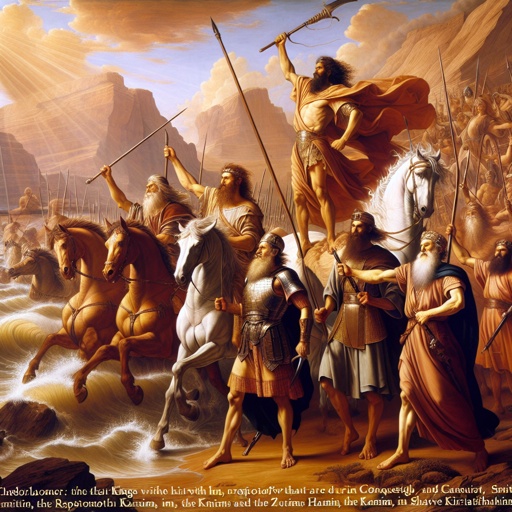
Genesis 14:5 And in the fourteenth year came Chedorlaomer, and the kings that were with him, and smote the Rephaims in Ashteroth Karnaim, and the Zuzims in Ham, and the Emims in Shaveh Kiriathaim,
"And in the fourteenth year came Chedorlaomer, and the kings that were with him, and smote the Rephaims in Ashteroth Karnaim, and the Zuzims in Ham, and the Emims in Shaveh Kiriathaim," - Genesis 14:5

Genesis 5:14 - "And all the days of Cainan were nine hundred and ten years: and he died."
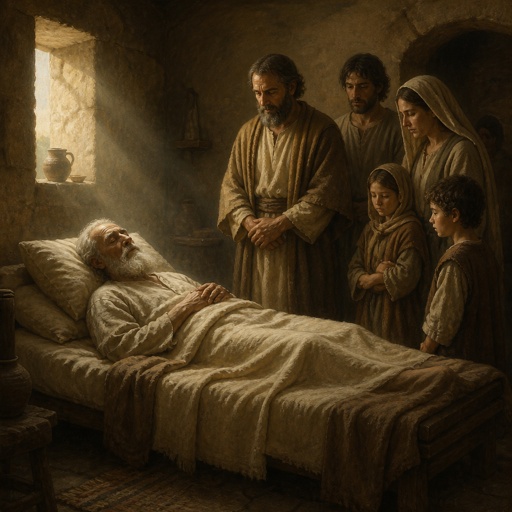
"And all the days of Cainan were nine hundred and ten years: and he died." - Genesis 5:14

Genesis 22 14

Genesis 19-14

Genesis 21:14

Genesis 15:14

Genesis 22-14

Genesis 25-14

Genesis 23-14

Genesis 24-14

Genesis 17-14

Genesis 16:14

Genesis 20-14

Genesis 28-14

Genesis 18-14

Genesis 25:14 - "And Mishma, and Dumah, and Massa,"

Genesis 18:9-14

Genesis 1:10-14

Genesis 18:1-14

Genesis 14:1-2

Genesis 18:11-14

Genesis 22:1-14

Genesis 24:5

Genesis 27:5

Genesis 17:5

Genesis 20-5

Genesis 11:5