What does Genesis 14:7 mean?
“And they returned, and came to En-mishpat, which is Kadesh, and smote all the country of the Amalekites, and also the Amorites, that dwelt in Hazezon-tamar.” — Genesis 14:7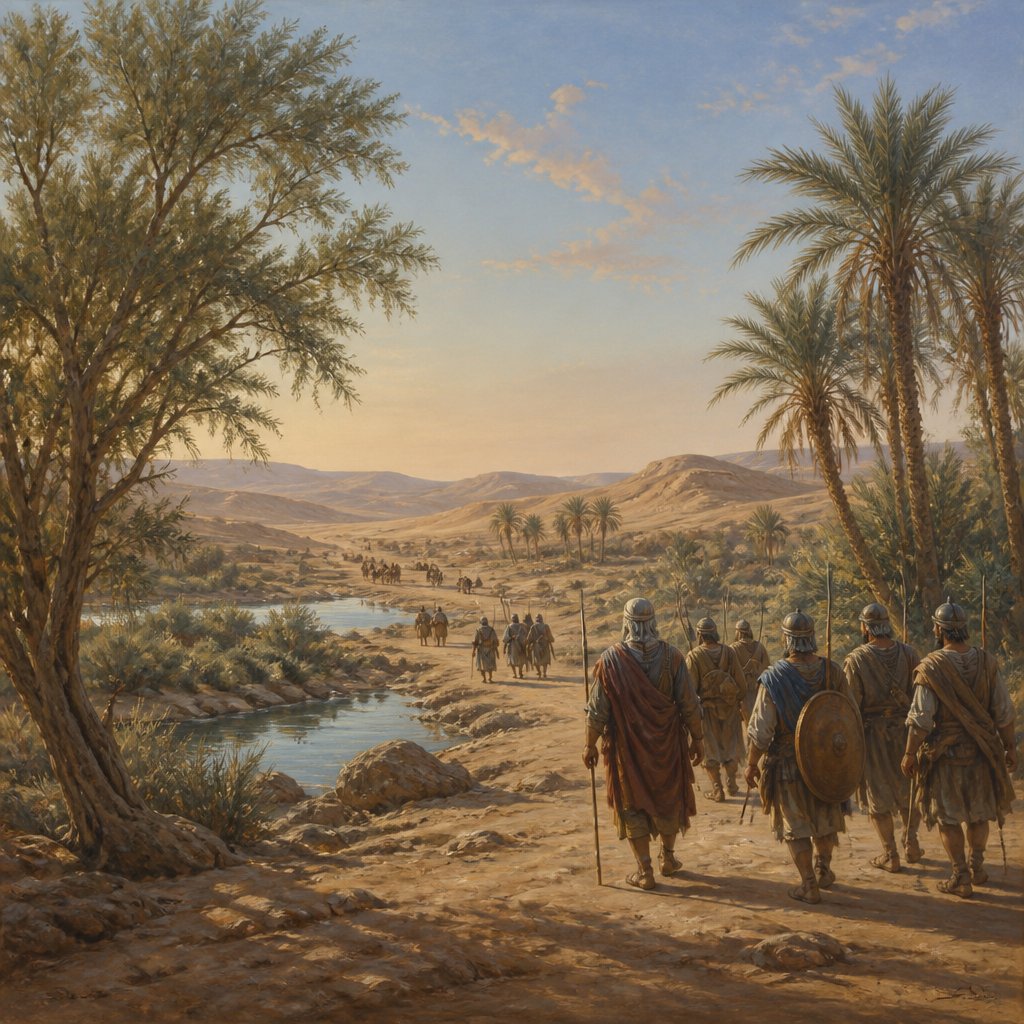
Genesis 14:7 in the King James Version reads, "And they returned, and came to Enmishpat, which is Kadesh, and smote all the country of the Amalekites, and also the Amorites, that dwelt in Hazezontamar." This verse is part of the larger narrative of Abram's meeting with the king of Sodom and the mysterious figure Melchizedek. It comes at a crucial point in the story, setting the stage for the conflict and victory that Abram will eventually achieve.
The immediate context of Genesis 14 is a battle between the armies of four kings and the armies of five kings. In this verse, we see that the victorious forces returned to Enmishpat, also known as Kadesh, after defeating the Amalekites and the Amorites. This victory is significant because it demonstrates the military prowess and strength of the forces led by the four kings. It also sets the stage for the pivotal encounter between Abram and the king of Sodom, as it showcases the power dynamics at play in the region.
One of the key themes in this verse is the theme of conquest and power. The mention of the smiting of the Amalekites and the Amorites highlights the military might of the conquering armies and underscores the violent nature of the conflicts in the ancient Near East. This theme of conquest and power ties in with the broader theme of God's covenant with Abram and his descendants. Throughout the book of Genesis, we see a recurring pattern of struggles for power and dominance, and the significance of God's promises in the midst of these conflicts.
Another important aspect of this verse is the symbolic significance of the territories mentioned. Enmishpat, also known as Kadesh, is a region associated with judgment and justice in the biblical narrative. The name "Kadesh" itself means "holy" or "set apart," pointing to the sacred nature of this place. The fact that the victorious forces returned to Kadesh after their conquest speaks to the idea of divine justice and retribution, as well as the importance of upholding moral and ethical standards in the conduct of warfare.
The mention of the Amalekites and the Amorites also carries symbolic weight. Throughout the Bible, the Amalekites are portrayed as perennial enemies of the Israelites, representing the forces of evil and opposition to God's chosen people. The Amorites, on the other hand, are associated with the inhabitants of Canaan and the larger region of the Promised Land. Their defeat at the hands of the conquering forces serves as a foreshadowing of the Israelites' eventual conquest of the land under the leadership of Joshua.
In a broader theological context, this verse also speaks to the themes of divine providence and sovereignty. While the events described in Genesis 14 are framed in terms of human conflicts and conquests, they ultimately serve as part of God's unfolding plan for the redemption and blessing of all nations. The victory achieved by the four kings sets the stage for the emergence of Abram as a key figure in God's redemptive purposes, leading to the establishment of the people of Israel and the fulfillment of God's promises to Abram and his descendants.
In conclusion, Genesis 14:7 is a verse that carries deep symbolic and thematic significance within the broader narrative of the book of Genesis. It highlights the themes of conquest and power, divine justice and providence, and the ongoing struggle between good and evil. As part of the larger story of God's covenant with Abram and the eventual establishment of the people of Israel, this verse serves as a pivotal moment in the unfolding drama of redemption and salvation.
Get our apps


Artwork for Genesis 14:7

Genesis 14:7 - "And they returned, and came to En-mishpat, which is Kadesh, and smote all the country of the Amalekites, and also the Amorites, that dwelt in Hazezon-tamar."

Genesis 14:7 And they returned, and came to En–mishpat, which is Kadesh, and smote all the country of the Amalekites, and also the Amorites, that dwelt in Hazezon–tamar.
"And they returned, and came to En-mishpat, which is Kadesh, and smote all the country of the Amalekites, and also the Amorites, that dwelt in Hazezon-tamar." - Genesis 14:7

Genesis 7:14 - "They, and every beast after his kind, and all the cattle after their kind, and every creeping thing that creepeth upon the earth after his kind, and every fowl after his kind, every bird of every sort."

Genesis 22 14

Genesis 19-14

Genesis 21:14

Genesis 15:14

Genesis 22-14

Genesis 25-14

Genesis 23-14

Genesis 24-14

Genesis 17-14

Genesis 16:14

Genesis 20-14

Genesis 28-14

Genesis 18-14

Genesis 25:14 - "And Mishma, and Dumah, and Massa,"

Genesis 18:9-14

Genesis 1:10-14

Genesis 18:1-14

Genesis 14:1-2

Genesis 18:11-14

Genesis 22:1-14

Genesis 24-7

Genesis 25-7

Genesis 20-7

Genesis 22-7

Genesis 23-7

Genesis 29-7