What does Genesis 15:2 mean?
"And Abram said, Lord GOD, what wilt thou give me, seeing I go childless, and the steward of my house is this Eliezer of Damascus?" - Genesis 15:2
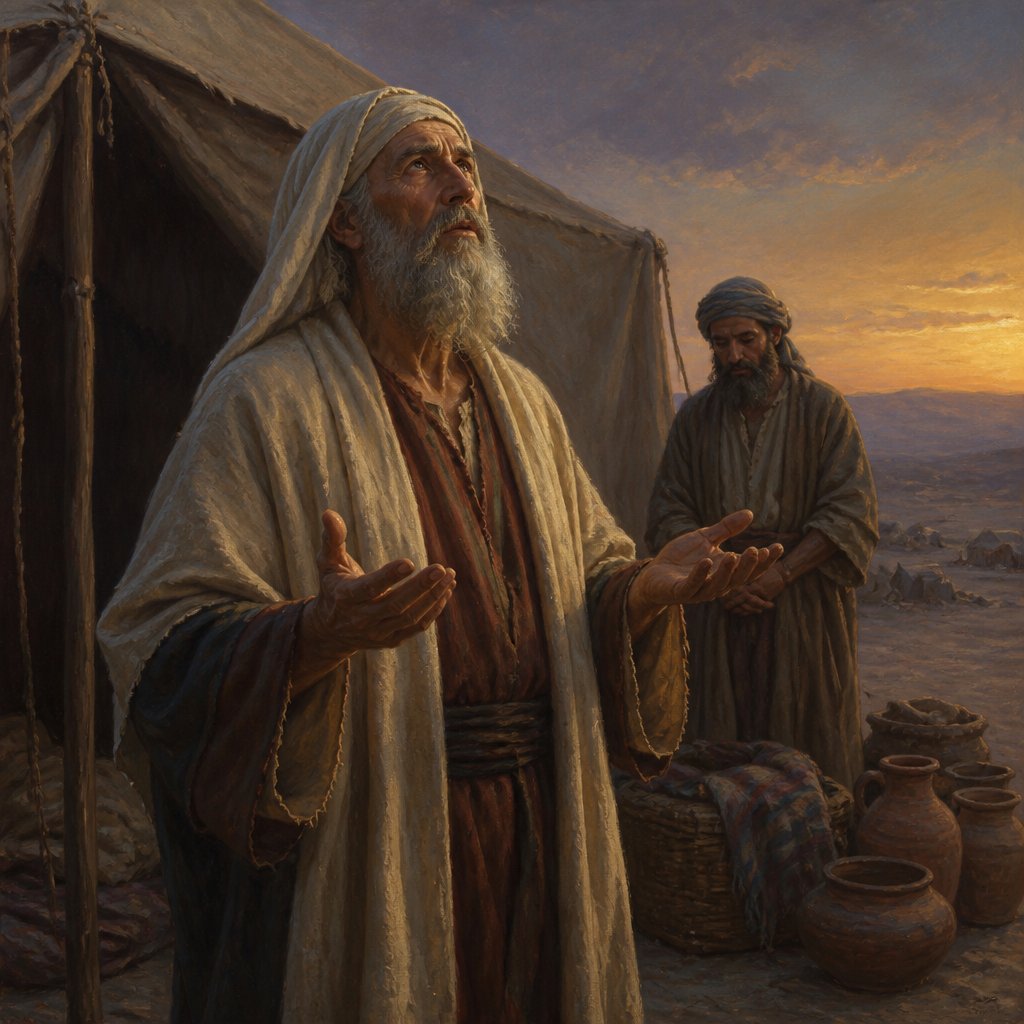
Genesis 15:2 (KJV) says, "And Abram said, Lord God, what wilt thou give me, seeing I go childless, and the steward of my house is this Eliezer of Damascus?"
This verse from the book of Genesis is a pivotal moment in the life of Abram, later known as Abraham, and in the larger narrative of the Bible. It reveals the deep longing and concern of Abram for a child, as well as his honesty and openness with God.
The context of this verse is important for understanding its significance. At this point in the story, Abram is already a significant figure in the biblical narrative. He has been called by God to leave his homeland and set out for a new land that God promises to show him (Genesis 12:1). God also promises to make Abram into a great nation and to bless him. However, despite these promises, Abram and his wife Sarai are unable to have children, which is a source of deep sadness and concern for them.
In Genesis 15:2, Abram is speaking directly to God, expressing his disappointment and questioning the fulfillment of God's promises. He acknowledges his childlessness and expresses his concern that Eliezer, his servant, will inherit his possessions. This demonstrates Abram's lack of understanding about how God's promises will come to pass, as well as his transparency in expressing his doubts and fears to God.
The theme of faith is prominent in this passage. Despite his doubts and concerns, Abram continues to trust in God and seek His will. This is a powerful example of the complexity of faith – it is not always unwavering confidence, but also includes moments of questioning, honesty, and vulnerability before God.
Another key theme in this verse is the fulfillment of God's promises. Throughout the Bible, God consistently demonstrates His faithfulness in fulfilling His promises, even in the face of seemingly impossible circumstances. This verse sets the stage for the fulfillment of God's promise to Abram and Sarai, as they eventually do have a son, Isaac, who becomes the patriarch of the nation of Israel.
The symbolic significance of this verse lies in the broader theme of God's sovereignty and timing. By wrestling with his doubts and fears, Abram exemplifies the human struggle to understand God's plans and timing. This struggle is universal, and Abram's honesty before God serves as an encouragement and a model for believers.
In the larger biblical context, this verse foreshadows the miraculous birth of Isaac and sets the stage for the fulfillment of God's covenant with Abram. It also underscores the importance of faith and trust in God, even in the midst of uncertainty and disappointment.
In conclusion, Genesis 15:2 (KJV) is a poignant and significant verse in the biblical narrative. It reveals Abram's deep longing for a child, his honesty before God, and his struggle to understand God's promises. It also points to the overarching themes of faith, God's faithfulness, and the fulfillment of His promises. This verse serves as a reminder that God is always at work, even when we can't see the full picture, and that our doubts and fears can be brought before Him in honesty and trust.
Have questions about Genesis 15:2?
Dive deeper into this scripture with Bible Chat — an AI-powered tool for exploring God's Word through conversation. Ask questions, get context, and grow in your understanding of the Bible.
Get Our Apps


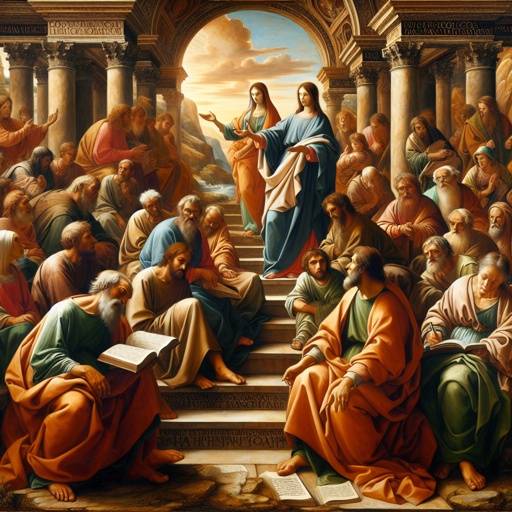
Genesis 15:2 Artwork

Genesis 15:2 - "And Abram said, Lord GOD, what wilt thou give me, seeing I go childless, and the steward of my house is this Eliezer of Damascus?"
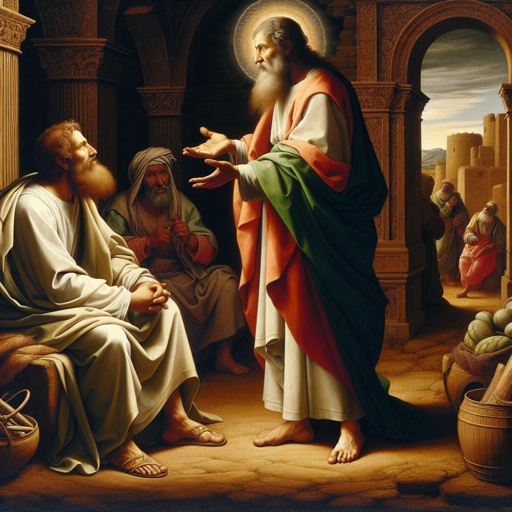
Genesis 15:2 And Abram said, Lord GOD, what wilt thou give me, seeing I go childless, and the steward of my house is this Eliezer of Damascus?
"And Abram said, Lord GOD, what wilt thou give me, seeing I go childless, and the steward of my house is this Eliezer of Damascus?" - Genesis 15:2

Genesis 2:15 - "And the LORD God took the man, and put him into the garden of Eden to dress it and to keep it."

Genesis 15:15

Genesis 2:15-The Lord placed the man in the garden of Eden to tend and watch over it
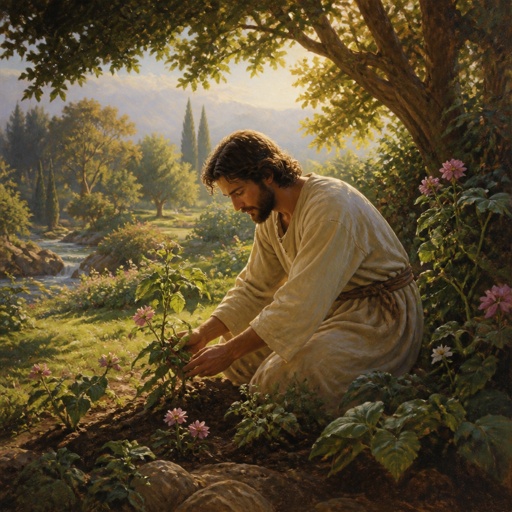
"And the LORD God took the man, and put him into the garden of Eden to dress it and to keep it." - Genesis 2:15

Genesis 28-15

Genesis 17-15

Genesis 15:10

Genesis 15:20

Genesis 22:15

Genesis 20-15

Genesis 15:14

Genesis 15:11

Genesis 16:15

Genesis 24-15

Genesis 19-15

Genesis 15:13

Genesis 25-15

Genesis 23-15

Genesis 18-15

Genesis 15:9

Genesis 21-15

Genesis 24:15

Genesis 15:19

Genesis 15:7

Genesis 15:16

Genesis 15:17
Genesis 15:18