What does Genesis 17:11 mean?
"And ye shall circumcise the flesh of your foreskin; and it shall be a token of the covenant betwixt me and you." - Genesis 17:11
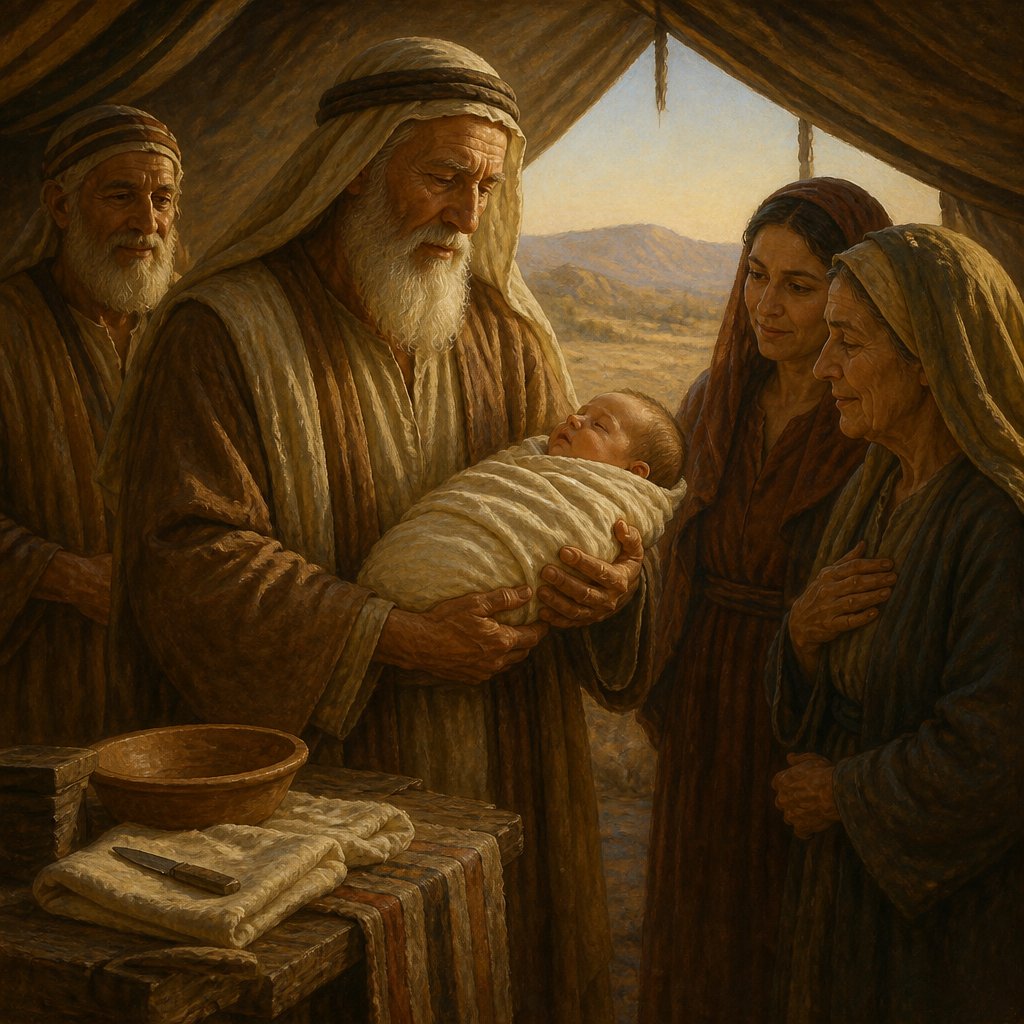
Genesis 17:11 (KJV) - "And ye shall circumcise the flesh of your foreskin; and it shall be a token of the covenant betwixt me and you."
Genesis 17:11 is a verse that is part of the covenant between God and Abraham, which is a crucial moment in the biblical narrative. In this verse, God commands Abraham to circumcise himself and all the males in his household as a sign of the covenant between them. This act of circumcision serves as a symbol of their commitment, devotion, and obedience to God's will.
The practice of circumcision has been a significant ritual in the Abrahamic faiths, particularly in Judaism and Islam. It is a physical reminder of the covenant between God and his people, a token that represents their faith and submission to God's authority. In the biblical context, the act of circumcision is a tangible expression of the willingness to separate oneself from the ways of the world and to dedicate oneself to the service of God.
The covenant that God establishes with Abraham is a central theme in the book of Genesis and sets the stage for the entire biblical narrative. It is a promise from God to Abraham and his descendants, emphasizing the idea of a chosen people and a special relationship with God. This covenant is also an essential element in the development of the concept of monotheism, as God singles out a specific group of people and makes a commitment to them.
The act of circumcision in this verse carries a deep symbolic meaning. By removing the foreskin, which is a part of the male body associated with reproduction and sexuality, the Israelites are symbolically separating themselves from the impurity and sinfulness of the flesh. This act serves as a physical reminder of the need for spiritual purification and moral uprightness. It signals a willingness to be obedient and faithful to God's commandments, to live a life of holiness and righteousness.
Beyond its symbolic significance, the act of circumcision also carries themes of identity and belonging. In the biblical narrative, it defines who is and who isn't a member of the covenant community. It marks the boundary between the chosen people and the rest of the world. Through this act, the Israelites are set apart as a distinct and separate people, with a unique relationship with God.
The context of this verse is critical in understanding its significance. In Genesis 17, God reaffirms his covenant with Abraham, promising to make him the father of many nations and to give him and his descendants the land of Canaan as an everlasting possession. God changes Abram's name to Abraham (which means "father of many") and his wife Sarai's name to Sarah (which means "princess"). This marks the beginning of a new chapter in the biblical narrative, setting the stage for the birth of Isaac and the continuation of God's plan for the salvation of humanity.
In addition to its immediate context, circumcision is also a theme that pervades the entire Old Testament. It is repeatedly emphasized as a sign of the covenant, an integral part of the identity of the Jewish people, and a requirement for membership in the community of faith. It serves as a reminder of God's promises and a symbol of the Israelites' commitment to their relationship with God.
The symbolism of circumcision is also reflected in the New Testament, particularly in the writings of the Apostle Paul. He interprets circumcision in a more spiritual sense, emphasizing the need for inward circumcision of the heart and a transformation by the Spirit rather than a mere outward ritual. This viewpoint underscores the timeless significance of the covenant and its implications for believers in both the Old and New Testaments.
In conclusion, Genesis 17:11 is a verse that carries profound spiritual and symbolic significance. It represents the establishment of the covenant between God and Abraham, and by extension, God and all of Abraham's descendants. The act of circumcision serves as a symbol of commitment, identity, and adherence to the will of God. It underscores the themes of obedience, separation from the world, and the special relationship between God and his chosen people. This verse is a crucial moment in the biblical narrative, laying the groundwork for the unfolding of God's redemptive plan for humanity.
Have questions about Genesis 17:11?
Dive deeper into this scripture with Bible Chat — an AI-powered tool for exploring God's Word through conversation. Ask questions, get context, and grow in your understanding of the Bible.
Get Our Apps


Genesis 17:11 Artwork

Genesis 17-11

Genesis 17:11 - "And ye shall circumcise the flesh of your foreskin; and it shall be a token of the covenant betwixt me and you."
"And ye shall circumcise the flesh of your foreskin; and it shall be a token of the covenant betwixt me and you." - Genesis 17:11

Genesis 11:17 - "And Eber lived after he begat Peleg four hundred and thirty years, and begat sons and daughters."

Genesis 17-17

Exodus 17:11
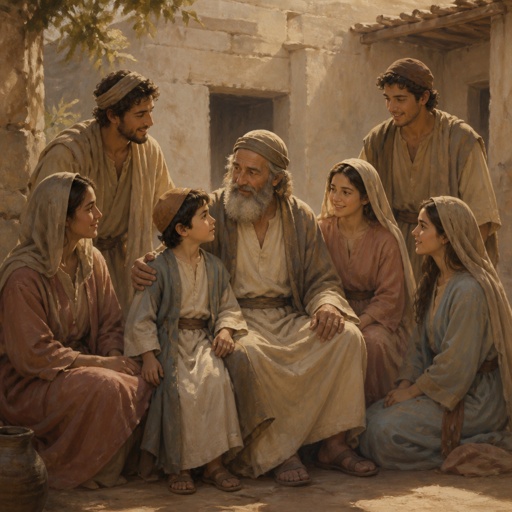
"And Eber lived after he begat Peleg four hundred and thirty years, and begat sons and daughters." - Genesis 11:17

Genesis 17-15

Genesis 17-23

Genesis 18-17

Genesis 17-27

Genesis 17-21

Genesis 17:2

Genesis 17:6

Genesis 17:4

Genesis 20-17

Genesis 17:8

Genesis 28-17

Genesis 17-19

Genesis 21-17

Genesis 24-17

Genesis 17-22

Genesis 17:10

Genesis 17-12

Genesis 17:1

Genesis 17-14

Genesis 22-17

Genesis 17:7

Genesis 17:5

Genesis 17-18