What does Genesis 17:14 mean?
“And the uncircumcised man child whose flesh of his foreskin is not circumcised, that soul shall be cut off from his people; he hath broken my covenant.” — Genesis 17:14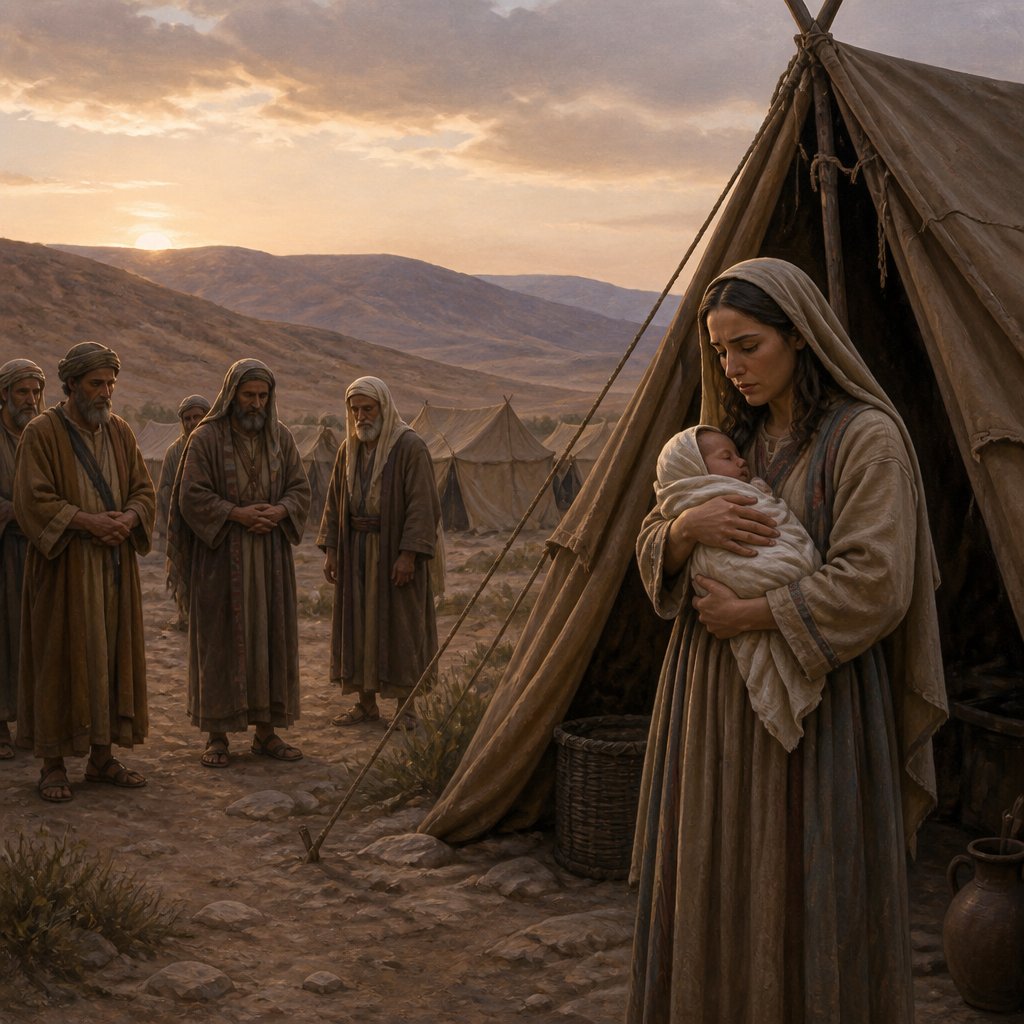
Genesis 17:14 (KJV) states, "And the uncircumcised man child whose flesh of his foreskin is not circumcised, that soul shall be cut off from his people; he hath broken my covenant."
This verse is part of the story of God's covenant with Abram, which is a central narrative in the Bible. The context of this passage is crucial to understanding its meaning and significance. In Genesis 17, God appears to Abram and makes a covenant with him, changing his name to Abraham and promising to make him the father of many nations. As a sign of this covenant, God commands Abraham and all the males in his household to be circumcised. This act of circumcision was to be a physical reminder of the spiritual covenant between God and Abraham's descendants.
The verse 14 in Genesis 17 addresses the consequences of failing to keep this covenant. Here, God makes it clear that any man child who is uncircumcised will be cut off from his people. This is a serious consequence, as it means being separated from the community of God's people and, by extension, from God himself. The language used in this verse is strong and emphasizes the importance of keeping the covenant. In the context of ancient Israel and the ancient Near East, being cut off from one's people was a severe punishment, as it meant losing one's identity and place within the community.
This verse also highlights the seriousness of breaking God's covenant. The act of being uncircumcised was considered a rejection of God's covenant and a breaking of the promise made to God. This verse serves as a warning to Abraham and his descendants, emphasizing the importance of faithfulness and obedience to God's commands.
Symbolically, circumcision represents the idea of consecration and purification. It is a physical act that signifies a spiritual commitment to God. In the New Testament, the Apostle Paul refers to circumcision of the heart, indicating that true circumcision is a matter of the inner self and not just an outward physical act. This spiritual symbolism makes this verse relevant beyond its original context, pointing to the deeper spiritual truths of faith and commitment to God.
The overarching theme of this verse is the importance of faithfulness and obedience in maintaining the covenant relationship with God. It underscores the idea that God's promises come with responsibilities, and breaking the covenant has serious consequences. This theme of faithfulness and obedience to God's commands is prevalent throughout the Bible, from the Old Testament to the New Testament.
In addition, the verse can also be seen as a demonstration of God's justice and holiness. God is portrayed as a righteous judge who upholds the terms of the covenant and expects the same from His people. The severity of the consequence for breaking the covenant highlights the seriousness with which God regards His relationship with His people.
In conclusion, Genesis 17:14 is a verse that emphasizes the importance of fidelity and obedience in maintaining the covenant relationship with God. It reflects the significance of the act of circumcision as a sign of the covenant and underscores the seriousness of breaking God's promises. The verse carries a timeless message about the spiritual commitment and the consequences of turning away from God's commands. It also serves as a reminder of God's justice and holiness in upholding His covenant with His people.
Get our apps


Artwork for Genesis 17:14

Genesis 17-14
Genesis 17:14 - "And the uncircumcised man child whose flesh of his foreskin is not circumcised, that soul shall be cut off from his people; he hath broken my covenant."
"And the uncircumcised man child whose flesh of his foreskin is not circumcised, that soul shall be cut off from his people; he hath broken my covenant." - Genesis 17:14

Genesis 14:17 - "¶ And the king of Sodom went out to meet him after his return from the slaughter of Chedorlaomer, and of the kings that were with him, at the valley of Shaveh, which is the king's dale."

Genesis 17-17
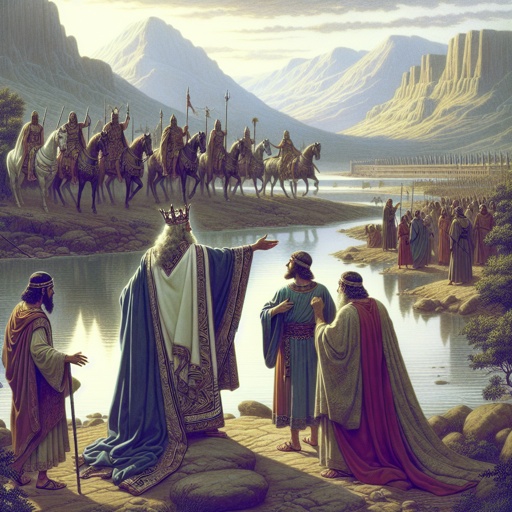
Genesis 14:17 And the king of Sodom went out to meet him after his return from the slaughter of Chedorlaomer, and of the kings that were with him, at the valley of Shaveh, which is the king's dale.

Genesis 17-15

Genesis 17-23

Genesis 18-17

Genesis 17-27

Genesis 17-21

Genesis 17:2

Genesis 17:6

Genesis 28-17

Genesis 17:4

Genesis 20-17

Genesis 17-22

Genesis 17-19

Genesis 17:8

Genesis 21-17

Genesis 24-17

Genesis 17:10

Genesis 17-12

Genesis 17:1

Genesis 22-17

Genesis 14:17–24 tells the story of a meeting between Abram and two kings. Returning as the victor after having defeated the eastern kings and recapturing all their plunder, Abram is met by the king of Sodom and by Melchizedek, the mysterious king of Salem.

Genesis 17-18

Genesis 17:7

Genesis 17:5

Genesis 17:3