What does Genesis 17:15 mean?
"¶ And God said unto Abraham, As for Sarai thy wife, thou shalt not call her name Sarai, but Sarah shall her name be." - Genesis 17:15
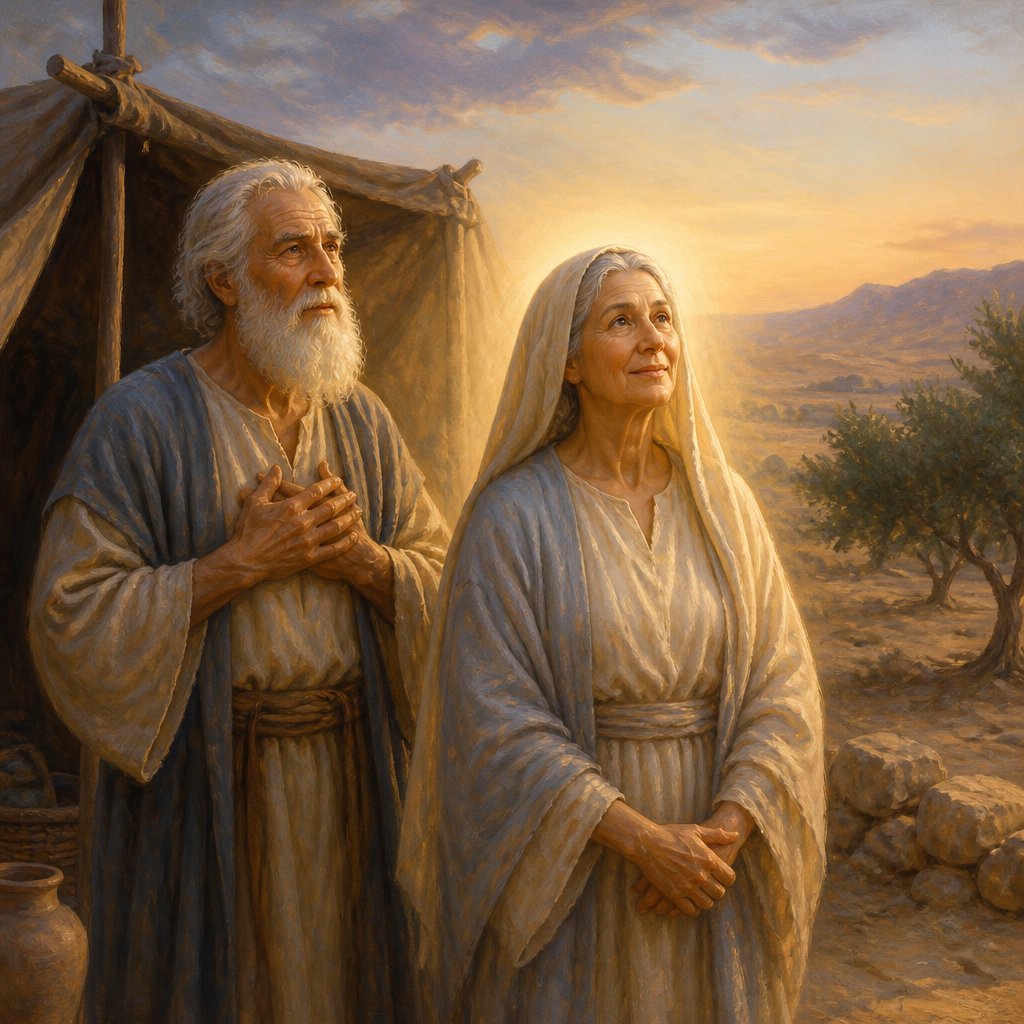
Genesis 17:15 (KJV) states, "And God said unto Abraham, As for Sarai thy wife, thou shalt not call her name Sarai, but Sarah shall her name be."
This verse is a pivotal moment in the story of Abraham and Sarah, as it marks the renaming of Sarah and the promise of her bearing a son. To fully understand the significance of this verse, it is important to consider the context in which it appears and the themes it represents.
In the preceding verses, God makes a covenant with Abraham, promising him descendants as numerous as the stars and giving him the land of Canaan as an everlasting possession. At this point in the story, Abraham is 99 years old and Sarah is 90, and they have been unable to have children. Despite their old age, God assures Abraham that Sarah will conceive and bear a son, whom they are to name Isaac. This promise is met with incredulity from Abraham, who falls on his face and laughs at the thought of a man of 100 and a woman of 90 having a child. But God insists that it will come to pass, and promises to bless Ishmael, the son born to Abraham and Hagar, but that his covenant will be established with Sarah's son, Isaac.
The renaming of Sarai to Sarah in Genesis 17:15 is symbolic of the broader theme of transformation and new beginnings that runs throughout the Bible. Names are important in the biblical narrative, often carrying deep meaning and reflecting the character or destiny of the individual. In this case, the change from Sarai, meaning "princess," to Sarah, meaning "princess of a multitude," signifies a shift in identity and purpose. It represents God's affirmation of Sarah as the mother of nations, a role she will fulfill through the birth of Isaac and the subsequent lineage that will arise from him.
The renaming of Sarah also reflects the power and authority of God to bring about change and fulfill his promises, even in seemingly impossible circumstances. The fact that Sarah is well past childbearing age underscores the miraculous nature of the fulfillment of this promise, highlighting God's sovereignty and ability to do the impossible.
Furthermore, this verse emphasizes the importance of obedience and faith in God's plan. Abraham and Sarah's willingness to believe and act on God's promise, despite their advanced years and the impossibility of the situation, serves as a model for trust and reliance on God's faithfulness. It demonstrates the concept of faith as the assurance of things hoped for, the conviction of things not seen (Hebrews 11:1), and the willingness to follow God's lead, even when it requires stepping into the unknown.
In addition to the themes of transformation, faith, and obedience, the renaming of Sarah also carries with it a sense of inclusivity and universality. The new name given to Sarah, meaning "princess of a multitude," points to the expansion of God's covenant and the inclusion of all nations in his redemptive plan. It foreshadows the fulfillment of God's promise to Abraham that through his offspring, all the nations of the earth shall be blessed (Genesis 18:18).
In conclusion, Genesis 17:15 serves as a significant moment in the story of Abraham and Sarah, marking the renaming of Sarah and the promise of her bearing a son. It underscores themes of transformation, faith, obedience, inclusivity, and the sovereignty of God. It highlights the power of God to bring about change and fulfill his promises, even in seemingly impossible circumstances, and serves as a reminder of the importance of trusting in God's faithfulness and following his lead. The renaming of Sarah from Sarai to Sarah reflects a broader narrative of God's redemptive plan for all nations and the pivotal role that Abraham and his descendants will play in its fulfillment.
Have questions about Genesis 17:15?
Dive deeper into this scripture with Bible Chat — an AI-powered tool for exploring God's Word through conversation. Ask questions, get context, and grow in your understanding of the Bible.
Get Our Apps


Genesis 17:15 Artwork

Genesis 17-15

Genesis 17:15 - "¶ And God said unto Abraham, As for Sarai thy wife, thou shalt not call her name Sarai, but Sarah shall her name be."
"¶ And God said unto Abraham, As for Sarai thy wife, thou shalt not call her name Sarai, but Sarah shall her name be." - Genesis 17:15

Genesis 15:17

Genesis 15:17 - "And it came to pass, that, when the sun went down, and it was dark, behold a smoking furnace, and a burning lamp that passed between those pieces."

Genesis 17-17

Genesis 15:15

Genesis 17-23

Genesis 18-17

Genesis 17-27

Genesis 17-21

Genesis 17:2

Genesis 17:6

Genesis 17:4

Genesis 20-17

Genesis 17:8

Genesis 28-17

Genesis 17-19

Genesis 21-17

Genesis 24-17

Genesis 17-22

Genesis 17:10

Genesis 17-12

Genesis 17:1

Genesis 17-14

Genesis 22-17

Genesis 17:7

Genesis 17:5

Genesis 17-18

Genesis 19-17