What does Genesis 18:13 mean?
“And the LORD said unto Abraham, Wherefore did Sarah laugh, saying, Shall I of a surety bear a child, which am old?” — Genesis 18:13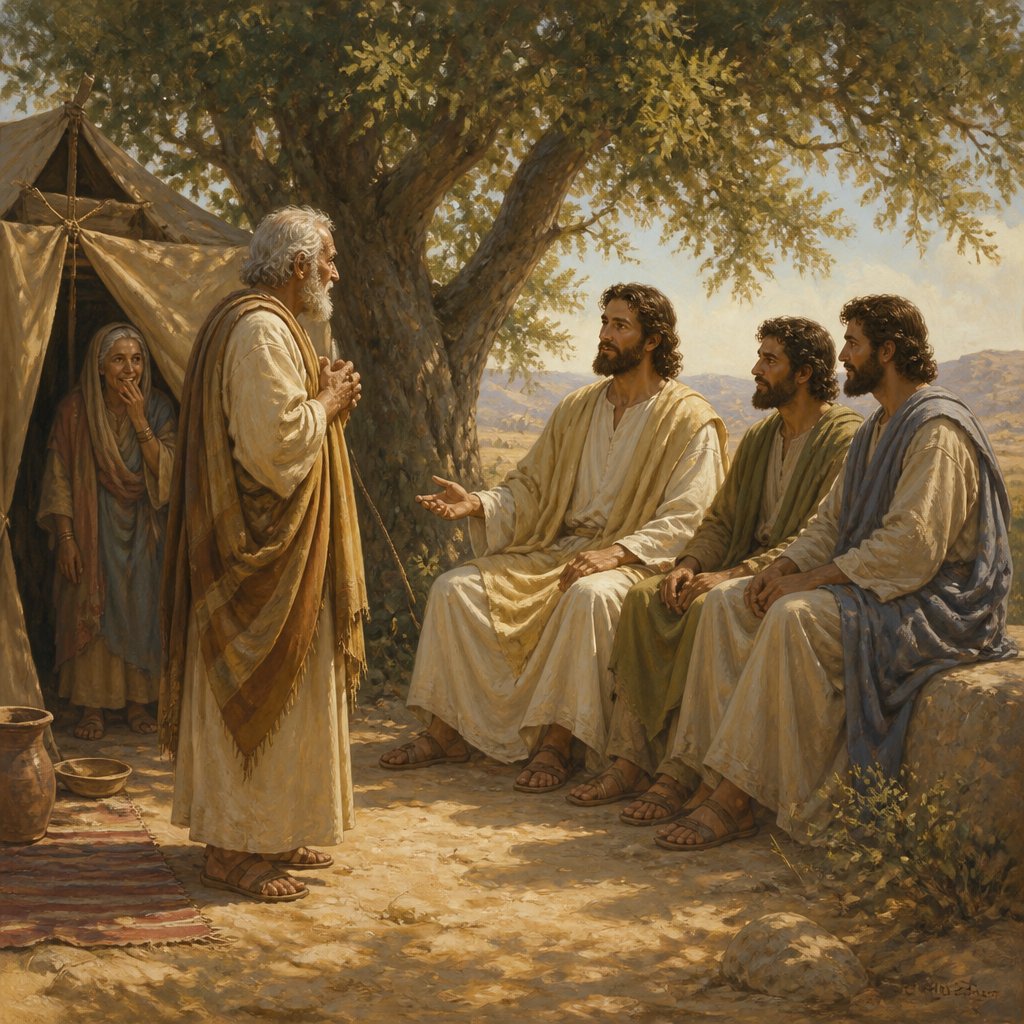
Genesis 18:13 in the King James Version of the Bible reads, "And the Lord said unto Abraham, Wherefore did Sarah laugh, saying, Shall I of a surety bear a child, which am old?" This verse is part of an interaction between God and Abraham, during which God promises that Sarah, Abraham's wife, will bear a son in her old age.
The context of this verse is important for understanding its full meaning. In the preceding verses, three visitors had come to visit Abraham in the form of men. As they were resting and conversing with Abraham, one of the visitors, who is identified as the Lord, promises that Sarah will have a son within a year, despite the fact that she is well beyond childbearing years. Sarah, who overhears this conversation from inside the tent, laughs in disbelief at the prospect of bearing a child at her advanced age. This is the immediate situation to which Genesis 18:13 refers.
The verse raises several important themes, the most significant of which is the faithfulness and power of God. Throughout the Bible, God repeatedly demonstrates his ability to fulfill his promises, even in seemingly impossible circumstances. In this instance, God reaffirms his covenant with Abraham and Sarah, assuring them that they will have a son as he had promised. This reinforces the idea that nothing is too difficult for God and that he is in control of all things, including fertility and age.
Another important theme in this verse is the concept of obedience and trust. God questions Sarah's laughter, not to shame her, but to show her that he is aware of her doubt. It is a reminder that God sees and knows all things, and that nothing can be hidden from him. Additionally, it serves as a call for Sarah to have faith in God's promise, despite her own doubts and disbelief. This theme is echoed throughout the Bible, as believers are repeatedly called to trust in God's plans and to obey his commands, even when they seem unlikely or difficult to understand.
The symbolism in this verse is also significant. Sarah's laughter can be seen as symbolic of human doubt and disbelief in the face of God's promises. It serves as a reminder of the limitations of human understanding and the need to rely on faith when confronted with the extraordinary and miraculous. Furthermore, the idea of the elderly Sarah giving birth to a child symbolizes the miraculous power of God to bring life from seemingly barren and hopeless situations.
In conclusion, Genesis 18:13 is a powerful and thought-provoking verse that touches on themes of faithfulness, obedience, and the miraculous power of God. It serves as a reminder that God's promises are always fulfilled, even when they seem impossible from a human perspective. The verse also challenges believers to trust in God's plans and to have faith in his ability to bring about the extraordinary. Ultimately, this verse is a testament to the unwavering character of God and his ability to work in ways that defy human understanding.
Get our apps


Artwork for Genesis 18:13
Genesis 18-13

Genesis 18:13 - "And the LORD said unto Abraham, Wherefore did Sarah laugh, saying, Shall I of a surety bear a child, which am old?"
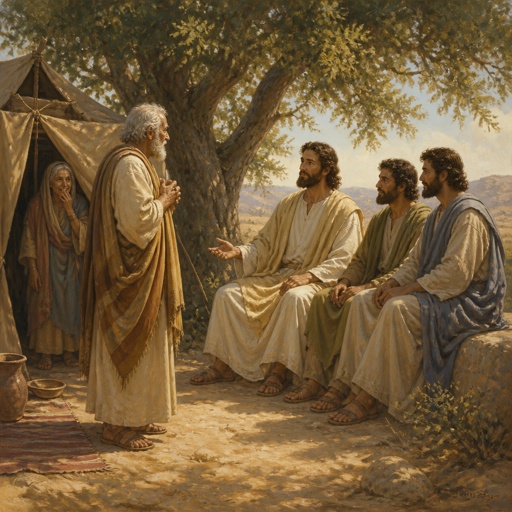
"And the LORD said unto Abraham, Wherefore did Sarah laugh, saying, Shall I of a surety bear a child, which am old?" - Genesis 18:13

Genesis 13:18 - "Then Abram removed his tent, and came and dwelt in the plain of Mamre, which is in Hebron, and built there an altar unto the LORD."

Genesis 13:18 Then Abram removed his tent, and came and dwelt in the plain of Mamre, which is in Hebron, and built there an Altar unto the LORD.
Genesis 18-18
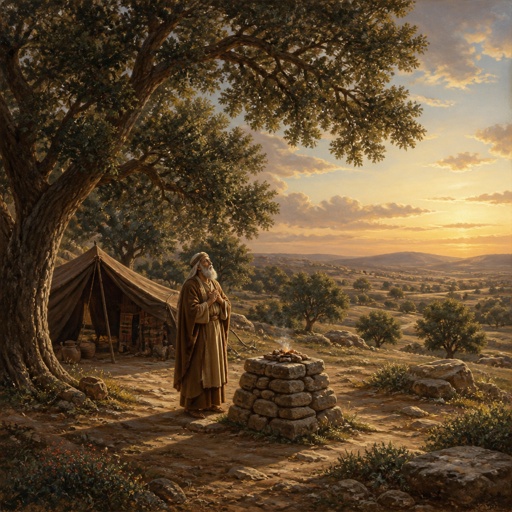
"Then Abram removed his tent, and came and dwelt in the plain of Mamre, which is in Hebron, and built there an altar unto the LORD." - Genesis 13:18

Genesis 24-18

Genesis 18-12

Genesis 18-26

Genesis 17-18

Genesis 18-32

Genesis 18-30

Genesis 18-25

Genesis 26:18

Genesis 22-18

Genesis 18-10

Genesis 18-16

Genesis 18:25

Genesis 18-9

Genesis 18-2

Genesis 18-19
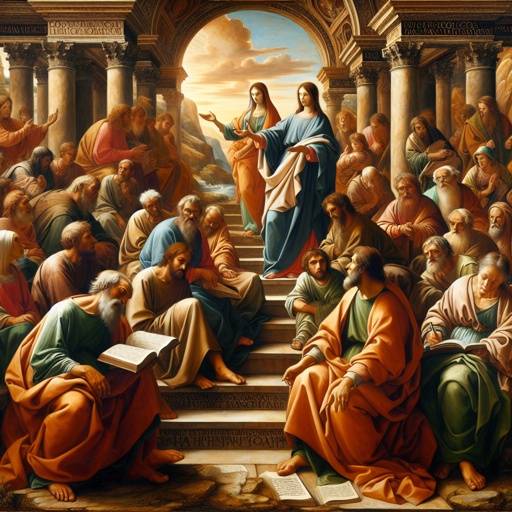
Genesis 15:18

Genesis 18-1

Genesis 23-18

Genesis 18-28

Genesis 18-14

Genesis 25-18

Genesis 18-22

Genesis 20-18