What does Genesis 18:23 mean?
"And Abraham drew near, and said, Wilt thou also destroy the righteous with the wicked?" - Genesis 18:23
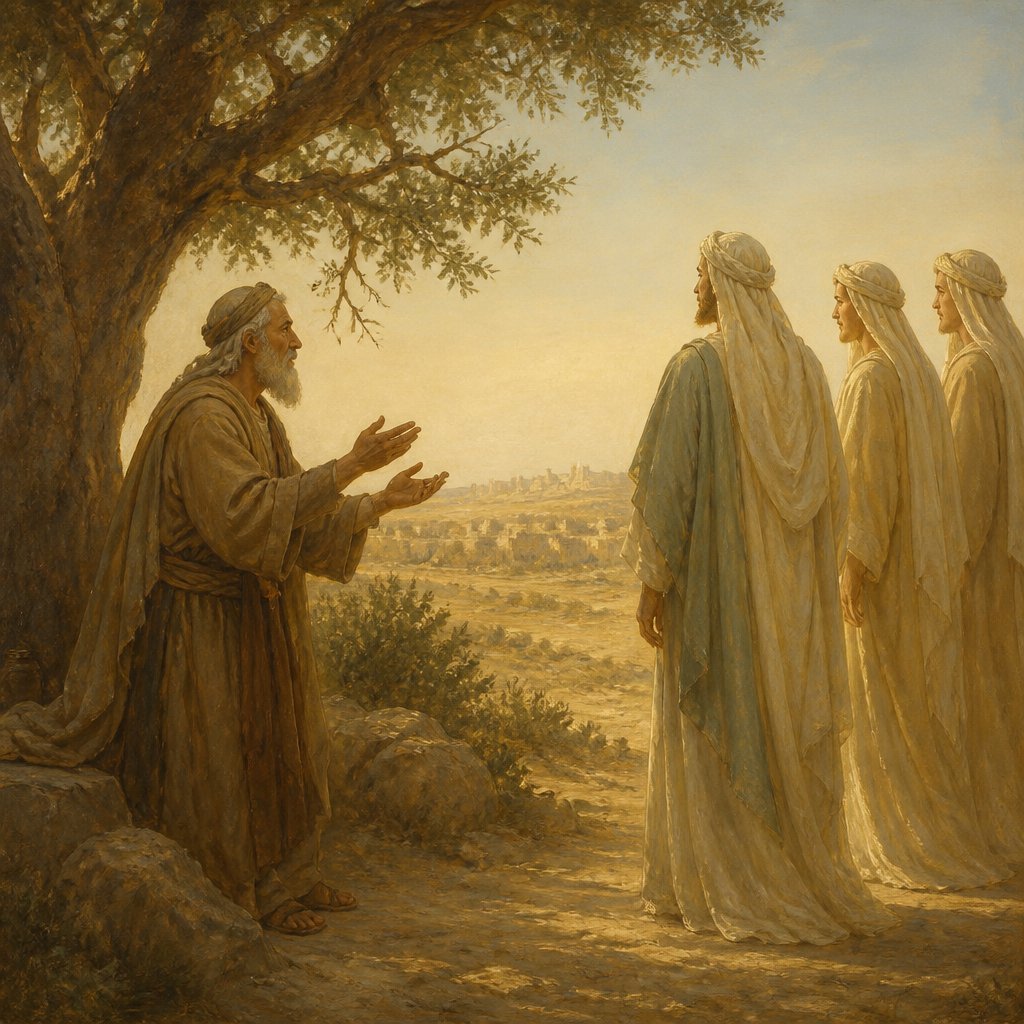
Genesis 18:23 (KJV) states, "And Abraham drew near, and said, Wilt thou also destroy the righteous with the wicked?"
This verse occurs within the larger context of the story of Sodom and Gomorrah. In this passage, Abraham, a righteous man, is speaking with the Lord, who has come to visit him in the form of three men. The men have told Abraham that they are on their way to destroy Sodom and Gomorrah due to the wickedness of their inhabitants. However, Abraham is concerned about the righteous people living in these cities and questions whether it is just for the Lord to destroy both the righteous and the wicked.
This verse is rich in meaning and has several deep themes that can be explored. Firstly, it raises the question of justice and the nature of God's judgment. Abraham is challenging the Lord's decision to destroy the cities, as he believes it would be unjust to punish the righteous along with the wicked. This dialogue between Abraham and the Lord reveals the complexity of the concept of justice and the importance of mercy and compassion in the exercise of divine judgment.
The verse also highlights the theme of righteousness and the struggle between good and evil. Abraham, as a righteous man, is deeply concerned about the fate of the righteous inhabitants of Sodom and Gomorrah. His plea to spare the righteous reflects his understanding of the moral responsibility to protect the innocent and uphold justice.
Furthermore, this passage emphasizes the power of intercession and prayer. Abraham's willingness to speak on behalf of the righteous in Sodom and Gomorrah demonstrates the significance of interceding for others in moments of crisis. His boldness in approaching the Lord and voicing his concerns sets an example for believers to advocate for justice and mercy through prayer and intercession.
Symbolically, Abraham's actions in this verse can be seen as a foreshadowing of Christ's intercession for humanity. In the Christian tradition, Christ is often depicted as the mediator between God and humanity, pleading for mercy and forgiveness on behalf of sinners. Abraham's plea for the righteous echoes this role of Christ as the ultimate intercessor, advocating for the salvation of the righteous.
In a broader context, this verse also speaks to the theme of moral responsibility and the consequences of wickedness. The impending destruction of Sodom and Gomorrah serves as a warning about the repercussions of living in sin and disobedience to God. It underscores the importance of living a righteous life and the potential consequences of societal corruption and immorality.
Ultimately, Genesis 18:23 (KJV) offers profound insights into the nature of justice, righteousness, and the power of intercession. It prompts believers to reflect on the moral complexities of divine judgment and the significance of advocating for justice and mercy. By delving into the themes, context, and symbolism of this verse, one can gain a deeper understanding of the biblical narrative and its implications for Christian faith and ethical living.
Have questions about Genesis 18:23?
Dive deeper into this scripture with Bible Chat — an AI-powered tool for exploring God's Word through conversation. Ask questions, get context, and grow in your understanding of the Bible.
Get Our Apps


Genesis 18:23 Artwork

Genesis 18-23
Genesis 18:23 - "¶ And Abraham drew near, and said, Wilt thou also destroy the righteous with the wicked?"
"¶ And Abraham drew near, and said, Wilt thou also destroy the righteous with the wicked?" - Genesis 18:23

Genesis 18:23-32 - "Genesis 18:23-32: Then Abraham approached him and said: “Will you sweep away the righteous with the wicked? What if there are fifty righteous people in the city? Will you really sweep it away and not spare the place for the sake of the fifty righteous people in it? Far be it from you to do such a thing—to kill the righteous with the wicked, treating the righteous and the wicked alike. Far be it from you! Will not the Judge of all the earth do right?” The Lord said, “If I find fifty righteous people in the city of Sodom, I will spare the whole place for their sake.” Then Abraham spoke up again: “Now that I have been so bold as to speak to the Lord, though I am nothing but dust and ashes, what if the number of the righteous is five less than fifty? Will you destroy the whole city for lack of five people?” “If I find forty-five there,” he said, “I will not destroy it.” Once again he spoke to him, “What if only forty are found there?” He said, “For the sake of forty, I will not do it.” Then he said, “May the Lord not be angry, but let me speak. What if only thirty can be found there?” He answered, “I will not do it if I find thirty there.” Abraham said, “Now that I have been so bold as to speak to the Lord, what if only twenty can be found there?” He said, “For the sake of twenty, I will not destroy it.” Then he said, “May the Lord not be angry, but let me speak just once more. What if only ten can be found there?” He answered, “For the sake of ten, I will not destroy it.”"
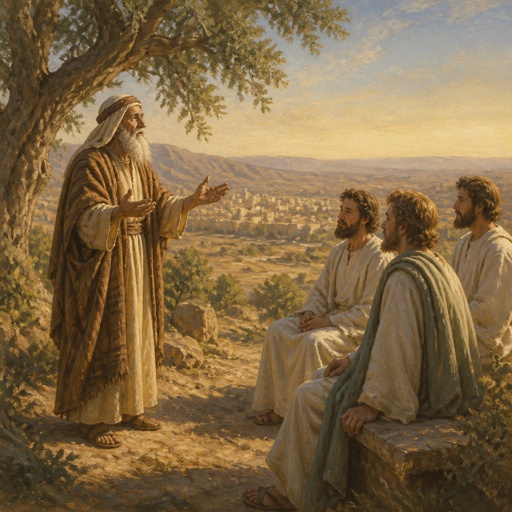
"Genesis 18:23-32: Then Abraham approached him and said: “Will you sweep away the righteous with the wicked? What if there are fifty righteous people in the city? Will you really sweep it away and not spare the place for the sake of the fifty righteous people in it? Far be it from you to do such a thing—to kill the righteous with the wicked, treating the righteous and the wicked alike. Far be it from you! Will not the Judge of all the earth do right?” The Lord said, “If I find fifty righteous people in the city of Sodom, I will spare the whole place for their sake.” Then Abraham spoke up again: “Now that I have been so bold as to speak to the Lord, though I am nothing but dust and ashes, what if the number of the righteous is five less than fifty? Will you destroy the whole city for lack of five people?” “If I find forty-five there,” he said, “I will not destroy it.” Once again he spoke to him, “What if only forty are found there?” He said, “For the sake of forty, I will not do it.” Then he said, “May the Lord not be angry, but let me speak. What if only thirty can be found there?” He answered, “I will not do it if I find thirty there.” Abraham said, “Now that I have been so bold as to speak to the Lord, what if only twenty can be found there?” He said, “For the sake of twenty, I will not destroy it.” Then he said, “May the Lord not be angry, but let me speak just once more. What if only ten can be found there?” He answered, “For the sake of ten, I will not destroy it.”" - Genesis 18:23-32

Genesis 23-18

Genesis 23:18 - "Unto Abraham for a possession in the presence of the children of Heth, before all that went in at the gate of his city."
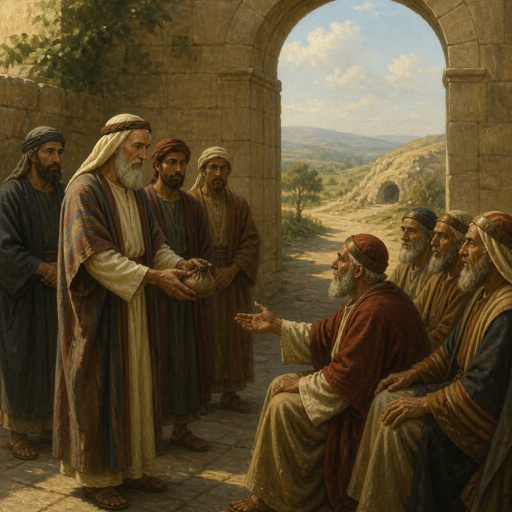
"Unto Abraham for a possession in the presence of the children of Heth, before all that went in at the gate of his city." - Genesis 23:18
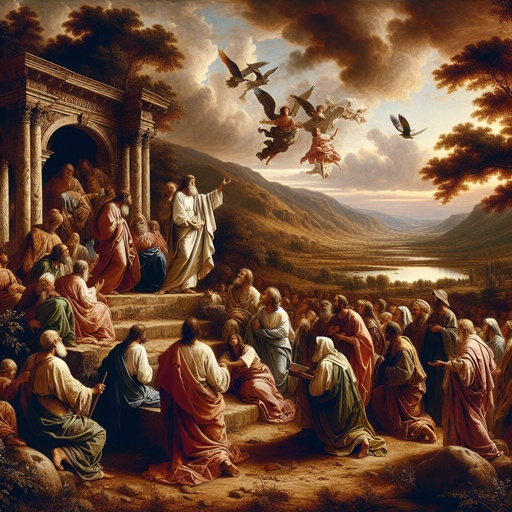
Genesis 18-18

Jeremiah 23:18

Genesis 23-19

Genesis 23-3

Genesis 23-13

Genesis 23-17

Genesis 23:11

Genesis 23-9

Genesis 23:2

Genesis 23-5

Genesis 23-12

Genesis 23-4

Genesis 23-16

Genesis 17-23

Genesis 23:1

Genesis 23-10

Genesis 23-6

Genesis 23-8

Genesis 25-23

Genesis 19-23

Genesis 22-23

Genesis 23-14