What does Genesis 18:28 mean?
“Peradventure there shall lack five of the fifty righteous: wilt thou destroy all the city for lack of five? And he said, If I find there forty and five, I will not destroy it.” — Genesis 18:28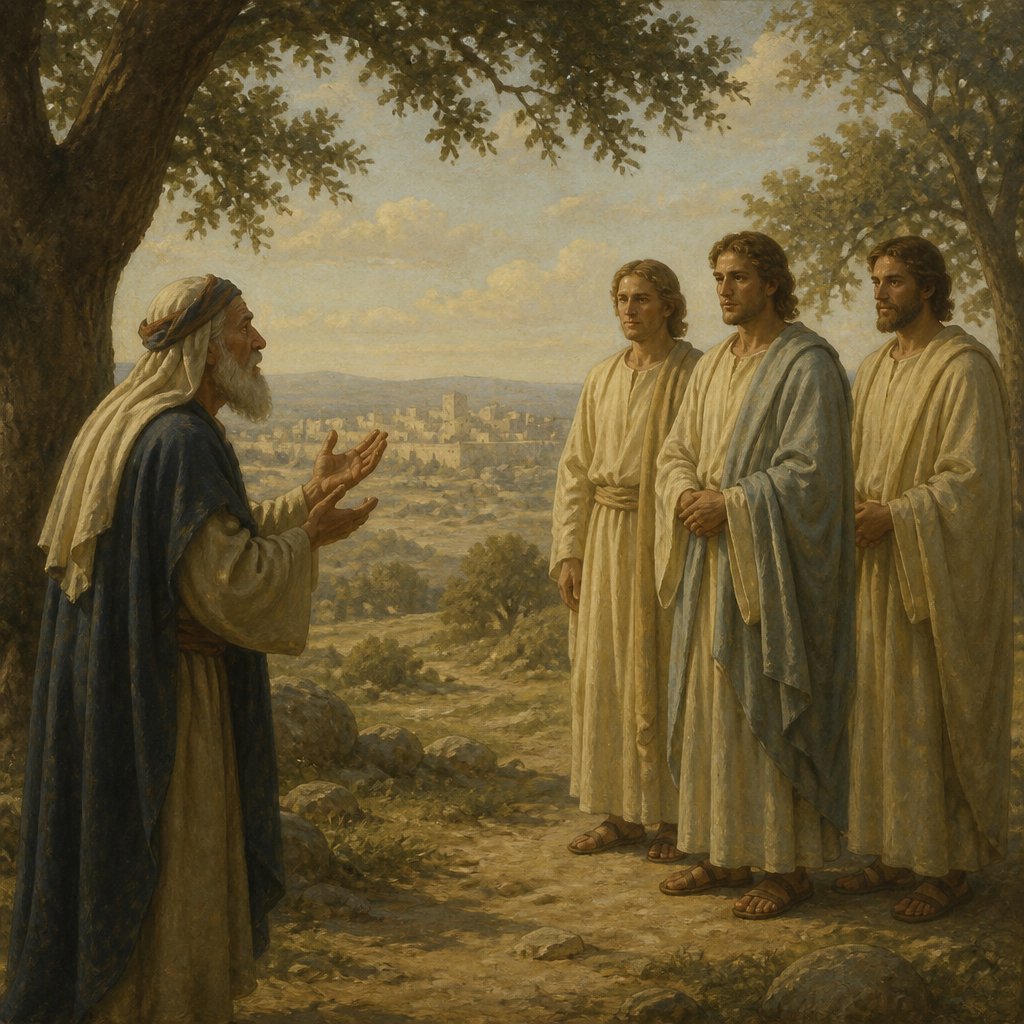
The Bible verse Genesis 18:28 from the King James Version (KJV) states: "Peradventure there shall lack five of the fifty righteous: wilt thou destroy all the city for lack of five? And he said, If I find there forty and five, I will not destroy it."
This verse is part of the story of Abraham pleading with the Lord to spare the city of Sodom from destruction. In this chapter, the Lord has informed Abraham of His intent to destroy Sodom and Gomorrah due to their great wickedness. Abraham, concerned for his nephew Lot who lived in Sodom, begins to question the Lord about His decision. He starts with the question of whether the Lord would destroy the city if there were fifty righteous people within it. The Lord responds that He would spare the city for the sake of fifty righteous people. Abraham continues to bargain with the Lord, asking if He would still destroy the city if there were only forty-five righteous people, to which the Lord agrees that He would not.
In this verse, we see the theme of intercession and the dialogue between Abraham and the Lord. Abraham's willingness to plead for the lives of the people of Sodom reveals his compassion and sense of justice. He is not only concerned for the welfare of his own family but also for the well-being of the entire city. It is a powerful example of the power of prayer and the ability of a single individual to make a difference through their supplication to God.
The context of this verse is significant in understanding the significance of the dialogue between Abraham and the Lord. Sodom and Gomorrah were cities known for their wickedness and sinfulness. The Lord's decision to destroy them was a reflection of His righteous judgment. However, the conversation between Abraham and the Lord demonstrates the concept of God's mercy and His willingness to spare the wicked for the sake of the righteous. It also shows the value of intercessory prayer and the importance of standing in the gap for others.
The symbolism in this verse is reflective of the biblical theme of God's justice and mercy. The discussion between Abraham and the Lord highlights the tension between God's righteous judgment and His willingness to show mercy. It also represents the concept of the remnant - the idea that God will spare a minority of righteous individuals for the sake of the whole.
Additionally, this verse speaks to the power of human agency in dialogue with the divine. Abraham's boldness in bargaining with the Lord demonstrates the idea of wrestling with God in prayer. It shows that we can come to God with our concerns and petitions, and that He is willing to listen to and engage with us in a dialogue.
In summary, Genesis 18:28 is a profound and thought-provoking verse that captures the essence of God's justice and mercy, the power of intercessory prayer, and the significance of human agency in our relationship with the divine. It serves as a reminder of the importance of standing in the gap for others and the impact of our earnest supplication to God. This verse continues to inspire and challenge readers to consider the depth of their own prayers and the compassion and justice of God.
Get our apps


Artwork for Genesis 18:28

Genesis 18-28

Genesis 18:28 - "Peradventure there shall lack five of the fifty righteous: wilt thou destroy all the city for lack of five? And he said, If I find there forty and five, I will not destroy it."
"Peradventure there shall lack five of the fifty righteous: wilt thou destroy all the city for lack of five? And he said, If I find there forty and five, I will not destroy it." - Genesis 18:28

Genesis 28:18

Genesis 28:18
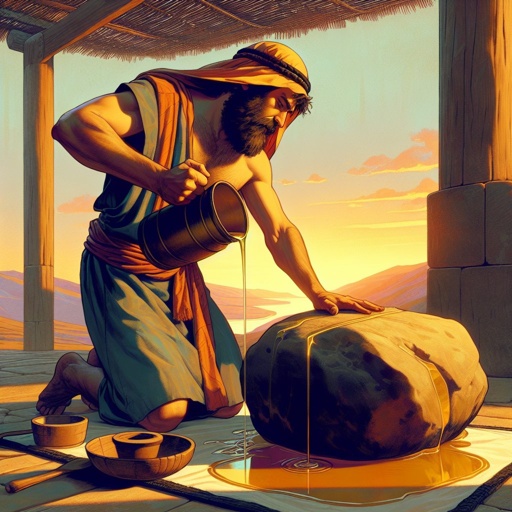
Genesis 28:18 - "And Jacob rose up early in the morning, and took the stone that he had put for his pillows, and set it up for a pillar, and poured oil upon the top of it."

Genesis 28-15

Genesis 28-12

Genesis 28-16

Genesis 28-21

Genesis 28-22

Genesis 28-17

Genesis 21:28

Genesis 24:28

Genesis 28-20
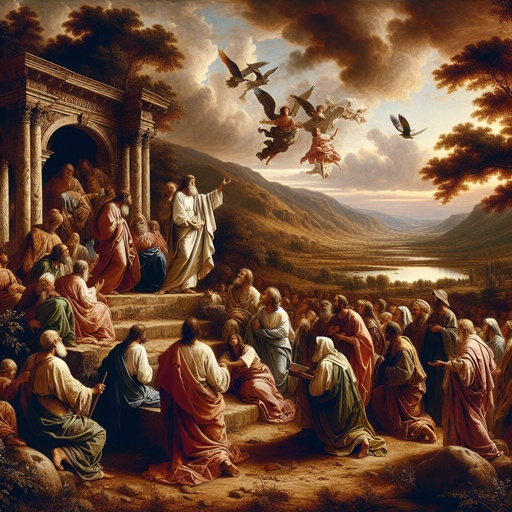
Genesis 18-18

Genesis 28-13

Genesis 28-19

Genesis 28-14

Genesis 28-11

Genesis 19-28

Genesis 28:10

Genesis 10:28 - "And Obal, and Abimael, and Sheba,"

Genesis 36:28 - "The children of Dishan are these; Uz, and Aran."

Exodus 28:18 - "And the second row shall be an emerald, a sapphire, and a diamond."

Genesis 35:28 - "And the days of Isaac were an hundred and fourscore years."

Genesis 21:28 - "And Abraham set seven ewe lambs of the flock by themselves."

Genesis 18-12

Genesis 24-18

Genesis 18-10