What does Genesis 1:31 mean?
“And God saw every thing that he had made, and, behold, it was very good. And the evening and the morning were the sixth day.” — Genesis 1:31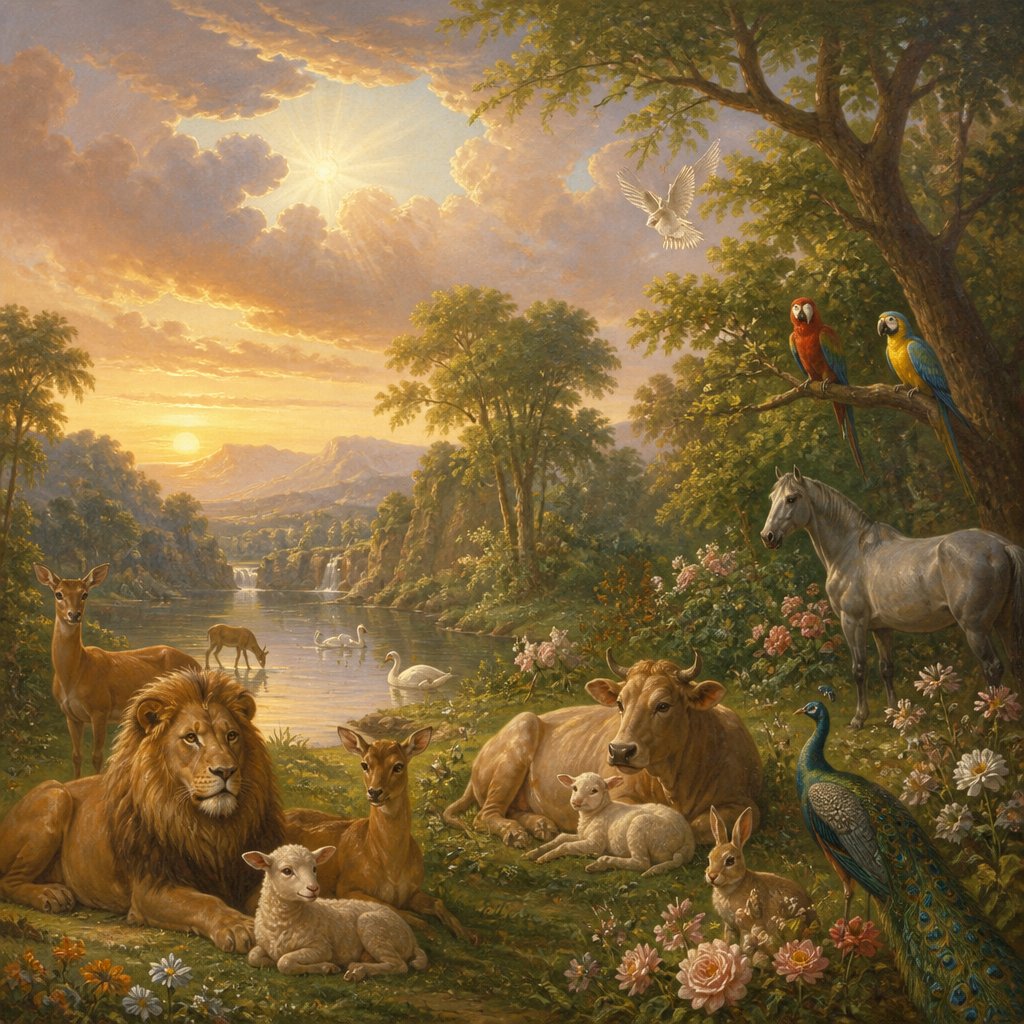
Genesis 1:31 (KJV) reads, "And God saw every thing that he had made, and, behold, it was very good. And the evening and the morning were the sixth day."
This verse marks the conclusion of the Creation story as depicted in the Book of Genesis, the first book of the Bible. It encapsulates the affirmation of God's work and the satisfaction of His creative process. The verse also serves as an important reminder of the inherent goodness of the world that God has created.
The context of this verse is critical in understanding its significance. In the preceding verses, the narrative describes the six days of Creation, during which God brings into existence the heavens and the earth, light and darkness, land and sea, plants and trees, the sun and the moon, fish and birds, and finally animals and humans. Each day of Creation is shown to be purposeful and deliberate. On the sixth day, God creates humanity in His own image, blessing them and giving them dominion over all living creatures. The completion of Creation on the sixth day is underscored by the statement in Genesis 1:31 that "it was very good."
A recurring theme in this verse is the goodness of God's creation. The repetition of the word "good" throughout the Creation story serves to emphasize the perfection and harmony of God's handiwork. The use of the word "very" in Genesis 1:31 further emphasizes the exceptional quality of God's creation, indicating that it exceeded His expectations. This emphasis on the goodness of creation reflects the belief in the intrinsic value and beauty of the natural world as a manifestation of God's divine plan.
Another recurring theme in this verse is the concept of divine evaluation. The act of God "seeing" and "beholding" His creation suggests a deliberate assessment of His work. This divine evaluation emphasizes the importance of God's approval and satisfaction with His creation. It also underscores the notion that God's creation is purposeful and meaningful, each element contributing to the overall goodness of the world.
The verse also communicates the completion of God's creative process. The phrase "the evening and the morning were the sixth day" conveys a sense of finality and closure. It marks the culmination of God's work and the establishment of a new order. The regular structure of the six days of Creation, each ending with the refrain "and the evening and the morning," reinforces the idea of a complete and systematic process of creation.
Symbolism plays a significant role in the interpretation of Genesis 1:31. The number six, as the day on which God completed His creation, is often associated with labor and accomplishment. In Hebrew tradition, the number six is considered to be the number of man, as humanity was created on the sixth day. This symbolism serves to emphasize the importance of human beings in the grand scheme of God's creation.
In Christian theology, Genesis 1:31 is also seen in the context of the Fall of Man and the subsequent introduction of sin and suffering into the world. The affirmation of the goodness of God's creation serves as a contrast to the imperfections and brokenness that result from humanity's disobedience. It is a reminder of the original state of perfection and the potential for restoration and redemption through God's grace.
In conclusion, Genesis 1:31 is a profound affirmation of the goodness and completeness of God's creation. It highlights the themes of divine evaluation, the inherent goodness of creation, and the symbolism of the sixth day. The verse serves as a foundational statement of faith, reflecting the belief in the fundamental goodness of the world as a reflection of God's divine will. It also holds a significant theological and moral significance in the Christian tradition, serving as a reminder of the potential for redemption and restoration amidst the brokenness of the world.
Get our apps


Artwork for Genesis 1:31

Genesis 1:31 - "And God saw every thing that he had made, and, behold, it was very good. And the evening and the morning were the sixth day."
"And God saw every thing that he had made, and, behold, it was very good. And the evening and the morning were the sixth day." - Genesis 1:31

Genesis 31:35

Genesis 21-31

Genesis 18-31

Genesis 19-31

Genesis 24-31

Genesis 31:1 - "And he heard the words of Laban's sons, saying, Jacob hath taken away all that was our father's; and of that which was our father's hath he gotten all this glory."

Genesis 31:22 - "And it was told Laban on the third day that Jacob was fled."

Genesis 31:45 - "And Jacob took a stone, and set it up for a pillar."

Genesis 31:47 - "And Laban called it Jegarsahadutha: but Jacob called it Galeed."

Genesis 31:31 - "And Jacob answered and said to Laban, Because I was afraid: for I said, Peradventure thou wouldest take by force thy daughters from me."

Genesis 34:31 - "And they said, Should he deal with our sister as with an harlot?"

Genesis 25:31 - "And Jacob said, Sell me this day thy birthright."

Genesis 31:2 - "And Jacob beheld the countenance of Laban, and, behold, it was not toward him as before."

Genesis 31:4 - "And Jacob sent and called Rachel and Leah to the field unto his flock,"

Genesis 37:31 - "And they took Joseph's coat, and killed a kid of the goats, and dipped the coat in the blood;"

Genesis 42:31 - "And we said unto him, We are true men; we are no spies:"
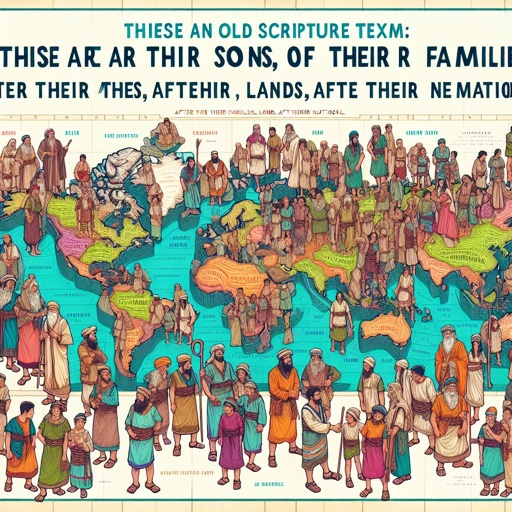
Genesis 10:31 - "These are the sons of Shem, after their families, after their tongues, in their lands, after their nations."

Genesis 21:31 - "Wherefore he called that place Beer-sheba; because there they sware both of them."

Genesis 41:31 - "And the plenty shall not be known in the land by reason of that famine following; for it shall be very grievous."

Genesis 31:17 - "¶ Then Jacob rose up, and set his sons and his wives upon camels;"

Genesis 31:6 - "And ye know that with all my power I have served your father."

Genesis 31:9 - "Thus God hath taken away the cattle of your father, and given them to me."

Genesis 5:31 - "And all the days of Lamech were seven hundred seventy and seven years: and he died."

Genesis 31:20 - "And Jacob stole away unawares to Laban the Syrian, in that he told him not that he fled."

Genesis 36:31 - "¶ And these are the kings that reigned in the land of Edom, before there reigned any king over the children of Israel."

Genesis 43:31 - "And he washed his face, and went out, and refrained himself, and said, Set on bread."

Genesis 29:31 - "¶ And when the LORD saw that Leah was hated, he opened her womb: but Rachel was barren."

Genesis 31:48 - "And Laban said, This heap is a witness between me and thee this day. Therefore was the name of it called Galeed;"