What does Genesis 1:9 mean?
"¶ And God said, Let the waters under the heaven be gathered together unto one place, and let the dry land appear: and it was so." - Genesis 1:9
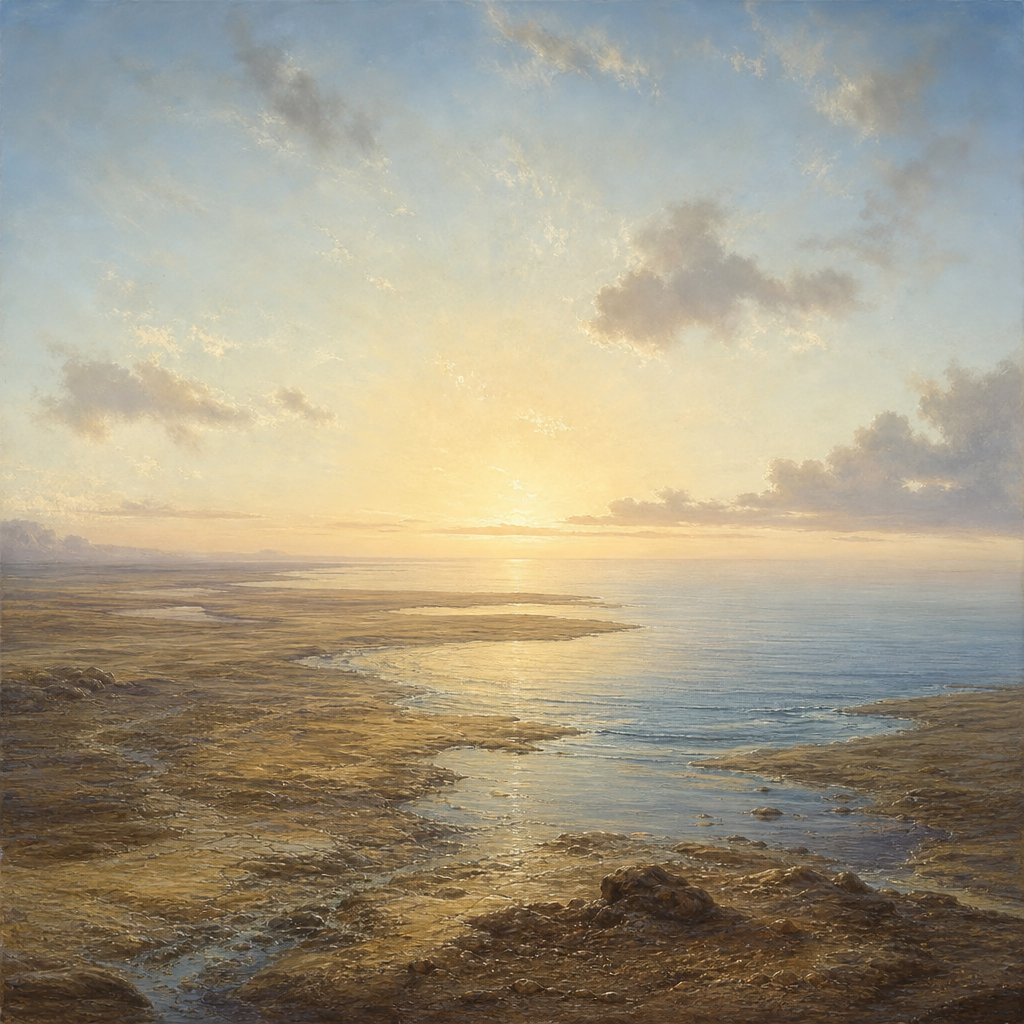
In the King James Version of the Bible, Genesis 1:9 states, "And God said, Let the waters under the heaven be gathered together unto one place, and let the dry land appear: and it was so." This verse comes from the first chapter of the book of Genesis, which is the first book in the Bible and serves as the origin story of the world and the foundation of the Christian faith.
The verse is part of the account of creation, where God is creating the world in six days. This verse specifically addresses the third day of creation, when God separates the waters from the land. It signifies the moment when God brings order and structure to the formless and void earth, setting the stage for the creation of vegetation and living creatures.
One of the themes present in this verse is the power and authority of God. His command brings about a dramatic transformation, as the waters obey His word and recede to reveal the dry land. This demonstrates God's sovereignty over the natural world and emphasizes his ability to bring order to chaos.
The context of this verse is important for understanding its significance. In the previous verses, God has already created the heavens and the earth and separated the light from the darkness. The earth is described as being formless and void, covered in water. In verse 9, God's creative power is once again displayed as He commands the waters to gather together and the dry land to appear. This illustrates God's intentionality and purposeful design in bringing the earth to a state where it can sustain life.
Symbolically, the separation of the waters and the appearance of dry land can be seen as a metaphor for division and boundaries. This act of division signifies the beginning of distinction and differentiation in the natural world, setting the stage for the diversity of plant and animal life that will be created in the following days of creation.
Furthermore, the separation of the waters and the emergence of the dry land foreshadow the biblical theme of redemption and restoration. Throughout the Bible, water symbolizes chaos, destruction, and cleansing, while the land represents stability, fertility, and abundance. In this verse, God's separation of the waters and the appearance of dry land can be seen as a precursor to the eventual redemption and restoration of the earth through His divine plan.
Overall, Genesis 1:9 is a significant verse in the broader context of the creation account in the book of Genesis. It highlights God's power and authority as the creator of the world and sets the stage for the subsequent acts of creation. The separation of the waters and the appearance of the dry land symbolize the order and purpose that God brings to the earth, setting the stage for the flourishing of life. This verse serves as a foundational text for understanding the Christian belief in God as the creator and sustainer of the world.
Have questions about Genesis 1:9?
Dive deeper into this scripture with Bible Chat — an AI-powered tool for exploring God's Word through conversation. Ask questions, get context, and grow in your understanding of the Bible.
Get Our Apps


Genesis 1:9 Artwork

Genesis 1:9 - "¶ And God said, Let the waters under the heaven be gathered together unto one place, and let the dry land appear: and it was so."
"¶ And God said, Let the waters under the heaven be gathered together unto one place, and let the dry land appear: and it was so." - Genesis 1:9

Genesis 49:9

Genesis 9:1 - "And God blessed Noah and his sons, and said unto them, Be fruitful, and multiply, and replenish the earth."

Genesis 16:9

Genesis 22-9

Genesis 15:9

Genesis 9:13

Genesis 20:9

Genesis 2:9

Genesis 18-9

Genesis 23-9

Genesis 22-9

Genesis 24-9

Genesis 21:9

Genesis 19-9

Genesis 25-9

Genesis 17:9

Genesis 26:9

Genesis 9:9 - "And I, behold, I establish my covenant with you, and with your seed after you;"

Genesis 9:24-25

Genesis 18:9-14

Genesis 46:9 - "And the sons of Reuben; Hanoch, and Phallu, and Hezron, and Carmi."

Genesis 12:9 - "And Abram journeyed, going on still toward the south."

Genesis 5:9 - "¶ And Enos lived ninety years, and begat Cainan:"

Genesis 36:9 - "¶ And these are the generations of Esau the father of the Edomites in mount Seir:"
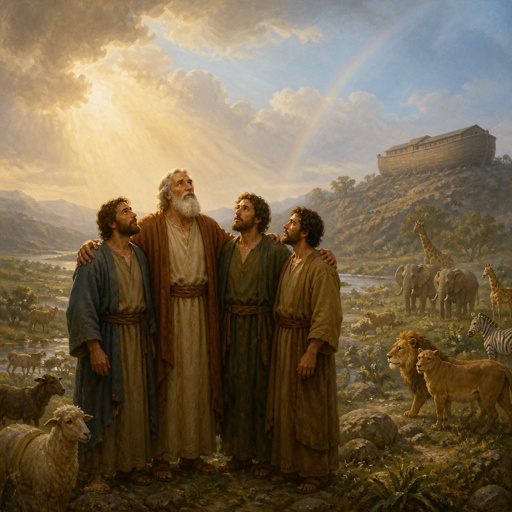
"And God blessed Noah and his sons, and said unto them, Be fruitful, and multiply, and replenish the earth." - Genesis 9:1

Genesis 9:20 - "And Noah began to be an husbandman, and he planted a vineyard:"

Genesis 9:19 - "These are the three sons of Noah: and of them was the whole earth overspread."

Genesis 9:28 - "¶ And Noah lived after the flood three hundred and fifty years."