What does Genesis 20:4 mean?
"But Abimelech had not come near her: and he said, Lord, wilt thou slay also a righteous nation?" - Genesis 20:4
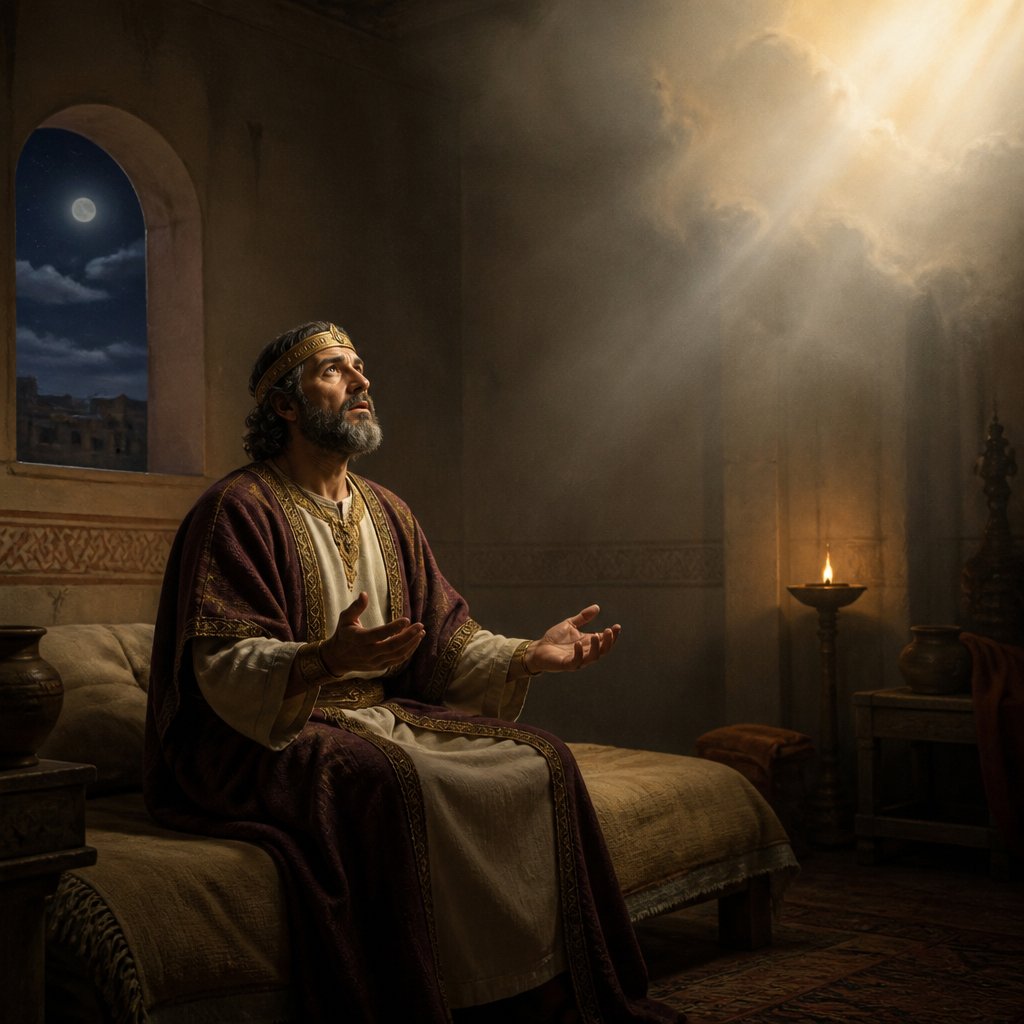
Genesis 20:4 from the King James Version (KJV) of the Bible reads: "But Abimelech had not come near her: and he said, Lord, wilt thou slay also a righteous nation?"
This verse is taken from the story of Abraham and Sarah's journey to Gerar, where they encounter King Abimelech. This particular verse comes from a moment when Abimelech, unaware that Sarah is actually Abraham's wife, had taken her into his harem. However, before he could touch her, God appears to him in a dream and prevents him from committing a sin. When Abimelech protests his innocence, he expresses his concern that God's judgment could fall not only on him as an individual but on his entire nation.
This verse speaks to several important themes and provides valuable insight into the character of God, the nature of righteousness, and the consequences of sin. One of the key themes in this passage is the righteousness of God. Abimelech's recognition of God's righteousness is evident as he acknowledges that God would not act unjustly by destroying a righteous nation. This reflects a belief in the justice and righteousness of God, even among those who do not belong to the chosen people of Israel.
Another theme in this verse is the idea of divine intervention. The story illustrates God's sovereignty and his ability to intervene in human affairs. Despite Abimelech's intent to take Sarah into his harem, God prevents him from doing so through a dream. This demonstrates God's power to protect his chosen people and to control the actions of both individuals and nations.
The concept of righteousness is also highlighted in this verse. Abimelech's concern for the righteousness of his nation reflects a belief in the moral principles that govern the world. This raises important questions about the nature of righteousness and the consequences of sin. Abimelech recognizes that to be a righteous nation, his people must be in alignment with the moral standards set by God. This recognition of righteousness reflects an understanding of the significance of moral conduct and the consequences of deviating from it.
This verse also highlights the concept of sin and its consequences. Abimelech's actions, albeit unintentional, were heading towards committing a grave sin by taking another man's wife. The consequences of his actions could have brought judgment upon him and his nation. This serves as a reminder of the gravity of sin and the responsibility that individuals and nations have to uphold moral and ethical standards.
Symbolism plays a significant role in this verse as well. The dream in which God appears to Abimelech symbolizes the communication between God and humanity. Dreams are often used as a means through which God communicates with individuals in the Bible, and this instance is no exception. The dream serves as a symbol of God's direct intervention and his active involvement in the lives of his people.
In conclusion, Genesis 20:4 provides valuable insights into the themes of divine intervention, righteousness, and the consequences of sin. It emphasizes the righteousness of God, the importance of moral conduct, and the potential consequences of deviating from it. The verse also utilizes symbolism to convey the divine communication and intervention in human affairs. As such, it serves as a reminder of the significance of living in alignment with God's moral principles and the potential consequences of failing to do so.
Have questions about Genesis 20:4?
Dive deeper into this scripture with Bible Chat — an AI-powered tool for exploring God's Word through conversation. Ask questions, get context, and grow in your understanding of the Bible.
Get Our Apps


Genesis 20:4 Artwork

Genesis 20-4

Genesis 20:4 - "But Abimelech had not come near her: and he said, Lord, wilt thou slay also a righteous nation?"
"But Abimelech had not come near her: and he said, Lord, wilt thou slay also a righteous nation?" - Genesis 20:4

Genesis 4:20 - "And Adah bare Jabal: he was the father of such as dwell in tents, and of such as have cattle."
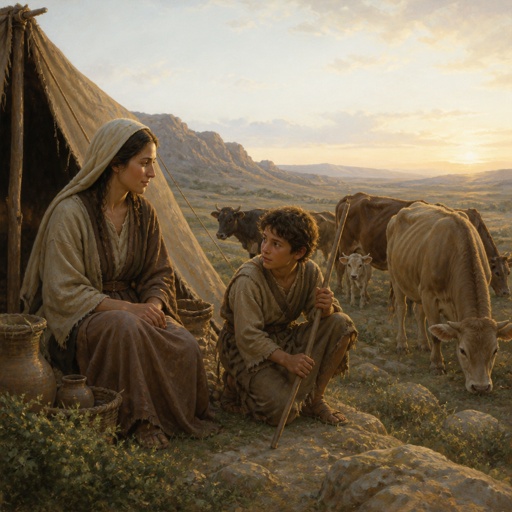
"And Adah bare Jabal: he was the father of such as dwell in tents, and of such as have cattle." - Genesis 4:20

Genesis 20

Genesis 20-18

Genesis 20-13

Genesis 20-16

Genesis 15:20

Genesis 20-1

Genesis 20-15

Genesis 18-20

Genesis 19-20

Genesis 20-17
Genesis 20-3

Genesis 20-7

Genesis 23-20

Genesis 20-19

Genesis 20-8

Genesis 28-20

Genesis 20-12

Genesis 20-10
Genesis 20-11

Genesis 22-20

Genesis 21-20

Genesis 20:9

Genesis 20-2

Genesis 20-14

Genesis 20-5