What does Genesis 21:27 mean?
“And Abraham took sheep and oxen, and gave them unto Abimelech; and both of them made a covenant.” — Genesis 21:27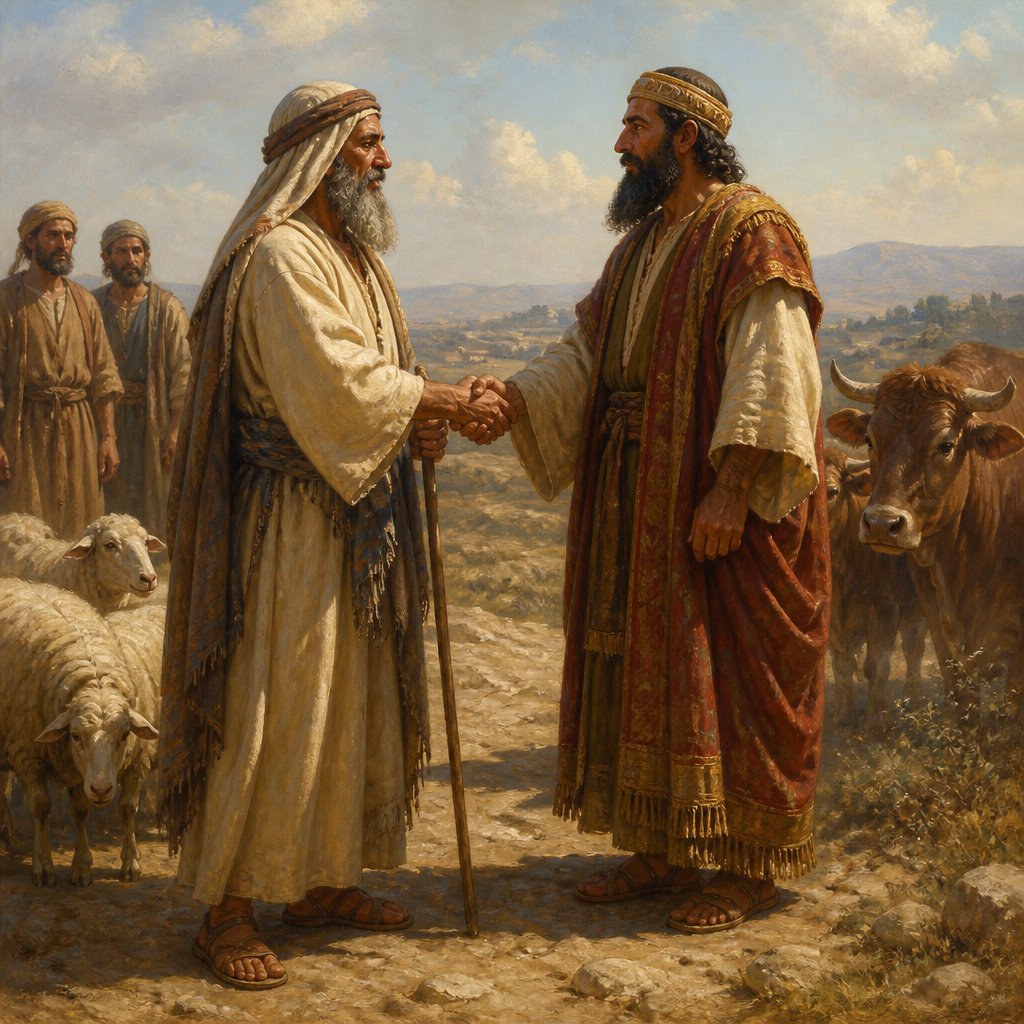
Genesis 21:27 (KJV) - "And Abraham took sheep and oxen, and gave them unto Abimelech; and both of them made a covenant."
This verse from the book of Genesis is a pivotal moment in the biblical narrative, as it marks the establishment of a covenant between Abraham and Abimelech. This covenant is significant not only for its immediate context but also for its broader theological implications.
The theme of covenant is central to the biblical narrative, particularly in the Old Testament. A covenant is a solemn agreement between two parties, often sealed with a ritual or ceremony. In the context of the Abrahamic covenant, it represents the promise made by God to Abraham and his descendants, ensuring their prosperity and the fulfillment of God's plan for them.
In this specific instance, Abraham takes sheep and oxen and gives them to Abimelech as a gesture of peace and goodwill. This act of generosity signifies the willingness of both parties to uphold their end of the covenant and maintain harmonious relations. The exchange of animals was a common practice in the ancient Near East to symbolize the sealing of a covenant, and it is used here to demonstrate the sincerity and commitment of both Abraham and Abimelech to their agreement.
The act of making a covenant in the ancient world was a significant event, as it involved solemn oaths, sacrifices, and clear terms of agreement. By engaging in this ritual, Abraham and Abimelech solidify their commitment to each other and establish the terms of their relationship. This covenant also serves as a model for future covenants throughout the biblical narrative, demonstrating the importance of mutual trust, generosity, and fidelity in relationships.
Furthermore, the context of this verse is essential for understanding its significance. Earlier in the chapter, we see a conflict between Abraham and Abimelech over a well that Abraham's servants had dug. The resolution of this conflict through the establishment of a covenant reflects the importance of reconciliation and forgiveness in the biblical narrative. It emphasizes the value of peace and cooperation, even in the face of past disagreements.
Symbolically, the animals that Abraham gives to Abimelech represent the tangible expression of the covenant. The value of the sheep and oxen signifies the gravity of the agreement and serves as a reminder of the obligations that both parties have taken upon themselves. This act also foreshadows the sacrificial system that would later be established in the Mosaic covenant, where animals were offered as symbols of atonement and dedication.
The themes of covenant, reconciliation, and peace in Genesis 21:27 resonate throughout the biblical narrative and serve as foundational principles for understanding God's relationship with humanity. The establishment of covenants with figures like Abraham and Abimelech symbolizes God's ongoing commitment to His people, despite their shortcomings and failures. It also highlights the importance of mutual respect and understanding in human relationships, emphasizing the value of forgiveness and cooperation.
Ultimately, Genesis 21:27 captures the essence of the biblical narrative, showcasing the significance of covenantal relationships and the enduring faithfulness of God. It serves as a powerful reminder of God's promises and His desire for reconciliation and peace among His people.
Get our apps


Artwork for Genesis 21:27

Genesis 21-27

Genesis 21:27 - "And Abraham took sheep and oxen, and gave them unto Abimelech; and both of them made a covenant."
"And Abraham took sheep and oxen, and gave them unto Abimelech; and both of them made a covenant." - Genesis 21:27
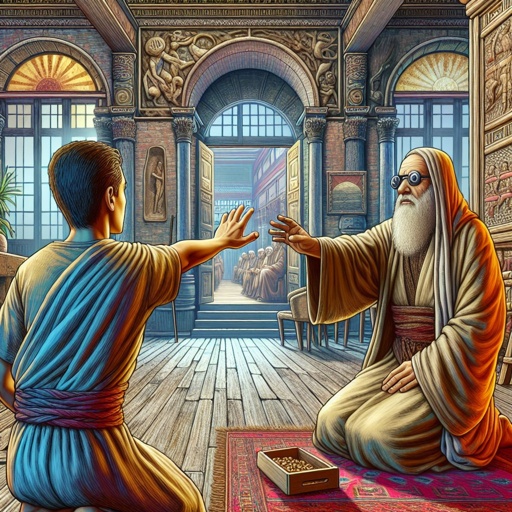
Genesis 27:21 - "And Isaac said unto Jacob, Come near, I pray thee, that I may feel thee, my son, whether thou be my very son Esau or not."

Genesis 27:21 KJV And Isaac said unto Jacob, Come near, I pray thee, that I may feel thee, my son, whether thou be my very son Esau or not.

Genesis 21-21

Genesis 27:32

Genesis 27:5

Genesis 25-27

Genesis 17-27

Genesis 18-27

Genesis 24-27

Genesis 19-27

Amos 5:21-27

Exodus 27:19-21

Genesis 10:27 - "And Hadoram, and Uzal, and Diklah,"

Genesis 1:21

Genesis 1:21

Genesis 27:10 KJV

Genesis 27:18-19

Genesis 27:1-3

Genesis 36:27 - "The children of Ezer are these; Bilhan, and Zaavan, and Akan."

Genesis 21-20

Genesis 21-6

Genesis 21-13

Genesis 21-10

Genesis 21-34

Genesis 21-2

Genesis 21-7
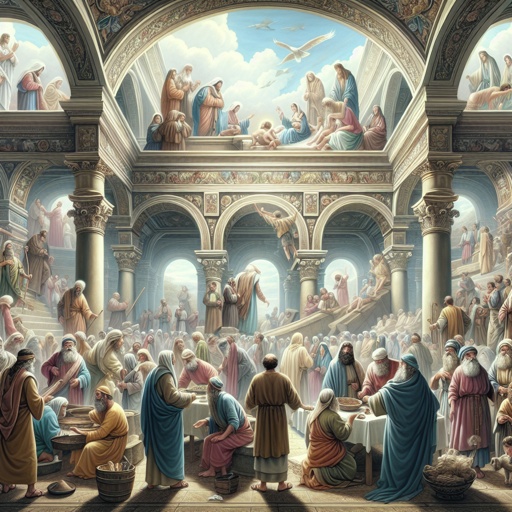
Genesis 21-32