What does Genesis 22:24 mean?
"And his concubine, whose name was Reumah, she bare also Tebah, and Gaham, and Thahash, and Maachah." - Genesis 22:24
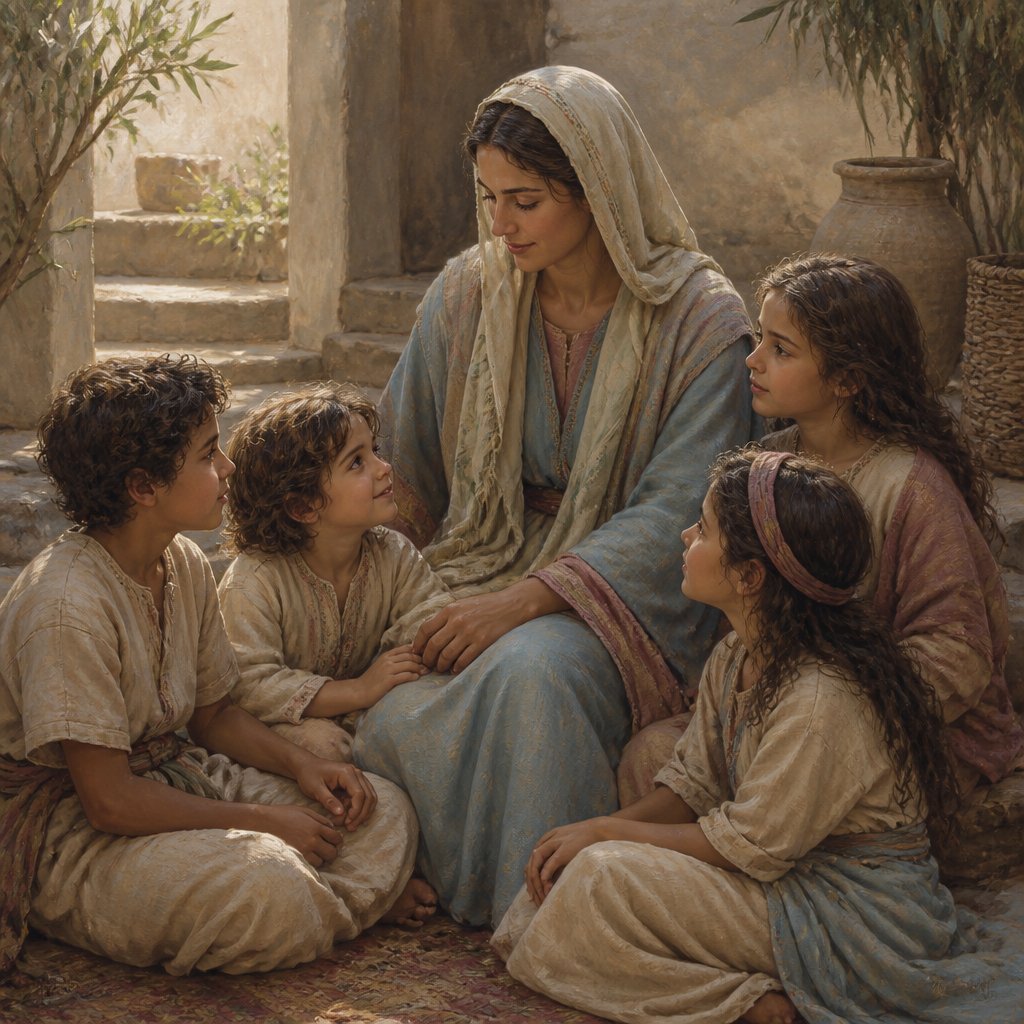
Genesis 22:24 in the King James Version of the Bible reads, "And his concubine, whose name was Reumah, she bare also Tebah, and Gaham, and Thahash, and Maachah." This verse is a part of the genealogy of Nahor, the brother of Abraham, and it provides a record of his descendants as well as the names of his concubine and their children. While it may seem like a simple list of names, this verse holds significant meaning within the larger context of the Bible and its themes.
One of the primary themes of this verse is the importance of genealogy and lineage within the biblical narrative. Throughout the Old Testament, genealogies are frequently used to trace the lineages of important figures and to establish their place within the larger story of God's people. This emphasis on lineage serves to connect individuals to their ancestors and to demonstrate the fulfillment of God's promises to future generations. In the case of Genesis 22:24, the genealogy of Nahor not only provides a historical record of his descendants but also plays a role in establishing the lineage of the Israelite people as a whole.
Another important theme in this verse is the role of concubines within biblical society. While concubinage was a common practice in the ancient Near East, the Bible addresses it primarily within the context of patriarchal lineage and inheritance. In this verse, Reumah is referred to as the concubine of Nahor, and her children are listed alongside those of his wife and other concubines. This reflects the complex family structures and social norms of the time, as well as the ways in which concubines and their offspring were integrated into the broader community.
Additionally, this verse serves as a reminder of the diversity of human experience and the various ways in which individuals fulfill their roles within the larger narrative of God's plan. While the focus of the Bible often centers on major figures and their significant contributions to the story of salvation, verses like Genesis 22:24 highlight the importance of recognizing and acknowledging the entirety of human experience, including the lives of lesser-known individuals and their descendants.
Symbolically, the names of Reumah's children (Tebah, Gaham, Thahash, and Maachah) may carry significance within the biblical narrative. In the Old Testament, names often hold symbolic meaning and are associated with specific qualities or traits. While the exact meanings of these names are not explicitly provided in this verse, they may be interpreted symbolically within the broader context of the biblical narrative and the roles played by Nahor's descendants in later biblical accounts.
In conclusion, Genesis 22:24 in the King James Version of the Bible holds both historical and symbolic significance within the broader context of the biblical narrative. It emphasizes the themes of genealogy, the role of concubines in ancient society, and the diversity of human experience within God's plan. Additionally, the names of Reumah's children may carry symbolic meaning within the biblical narrative. Overall, this verse serves as a testament to the intricate and multifaceted nature of the biblical story and the ways in which it encompasses all aspects of human existence.
Have questions about Genesis 22:24?
Dive deeper into this scripture with Bible Chat — an AI-powered tool for exploring God's Word through conversation. Ask questions, get context, and grow in your understanding of the Bible.
Get Our Apps


Genesis 22:24 Artwork

Genesis 22-24

Genesis 22:24 - "And his concubine, whose name was Reumah, she bare also Tebah, and Gaham, and Thahash, and Maachah."

"And his concubine, whose name was Reumah, she bare also Tebah, and Gaham, and Thahash, and Maachah." - Genesis 22:24

Genesis 24-22

Genesis 3:22-24

James 2:2-4

Genesis 24:22 - "And it came to pass, as the camels had done drinking, that the man took a golden earring of half a shekel weight, and two bracelets for her hands of ten shekels weight of gold;"

Genesis 24:24

Genesis 22-22

Genesis 22:22 - "And Chesed, and Hazo, and Pildash, and Jidlaph, and Bethuel."

Genesis 22

Genesis 24-26

Genesis 24-21

Genesis 24-7

Genesis 24-55

Genesis 3:24

Genesis 24-59

Genesis 24:60

Genesis 24-50

Genesis 24-54

Genesis 24:36

Genesis 24-61

Genesis 24-41

Genesis 25-24

Genesis 24-62

Genesis 24-56

Genesis 24-53

Genesis 24-63

Genesis 24-15

Genesis 24-66