What does Genesis 23:10 mean?
"And Ephron dwelt among the children of Heth: and Ephron the Hittite answered Abraham in the audience of the children of Heth, even of all that went in at the gate of his city, saying," - Genesis 23:10
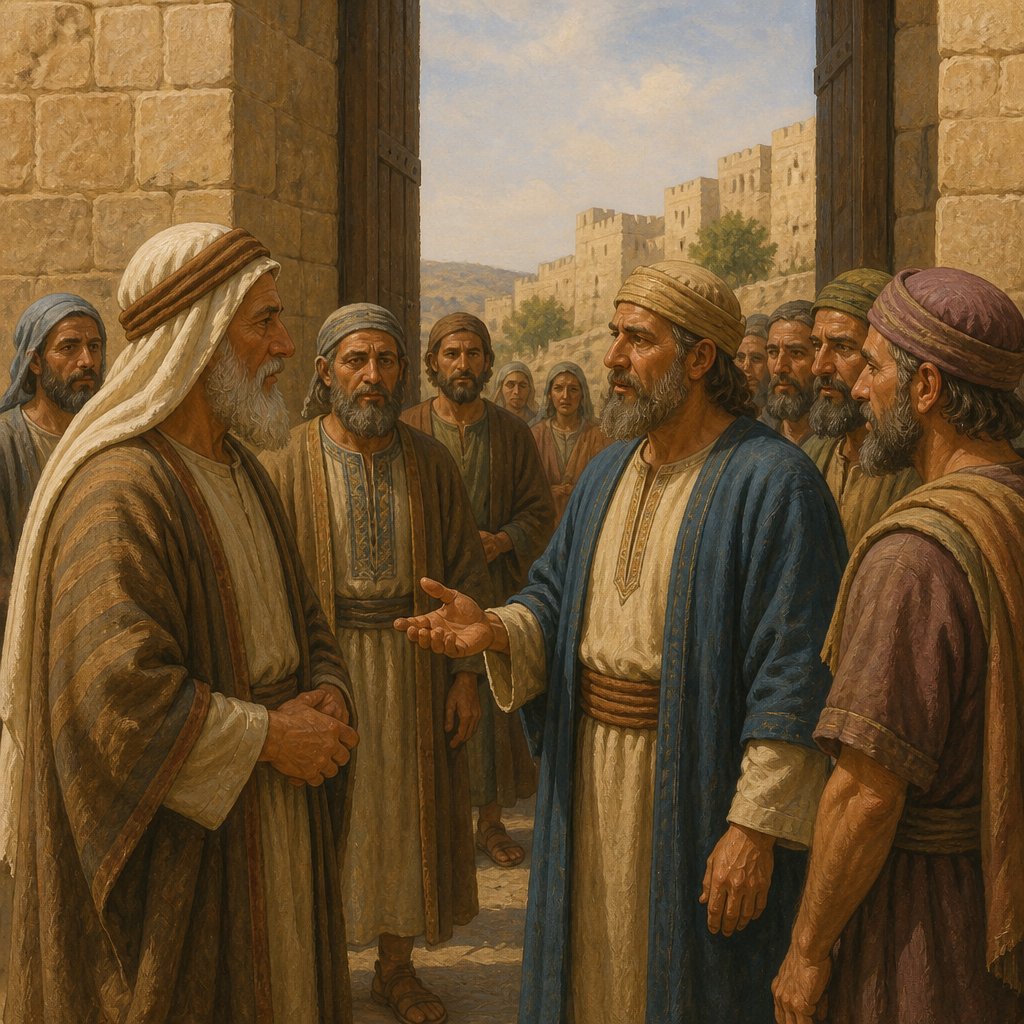
Genesis 23:10 in the King James Version of the Bible reads: "And Ephron dwelt among the children of Heth: and Ephron the Hittite answered Abraham in the audience of the children of Heth, even of all that went in at the gate of his city, saying," This verse is part of a larger passage that tells the story of Abraham’s acquisition of the cave of Machpelah as a burial site for his wife Sarah.
To fully understand the meaning and significance of this verse, it is important to look at the broader context in which it is situated. In Genesis 23, it is recounted how Sarah, Abraham’s beloved wife, passed away at the age of 127. Stricken with grief, Abraham sought to find a fitting burial place for her. He approached the Hittites, the native inhabitants of the land, to inquire about purchasing a burial site. The Hittites offered Abraham the cave of Machpelah, which was owned by a man named Ephron for the full price. However, Abraham insisted on paying for the land, demonstrating his respect for the local customs and his desire to honor his wife with a proper burial.
In verse 10, Ephron is seen dwelling among the children of Heth, indicating his integration within the community. He responds to Abraham's request for the burial site in the presence of the children of Heth, which implies that his decision will be witnessed and confirmed by the community. This signifies the importance of conducting business and making agreements in a public and transparent manner, allowing for accountability and ensuring fair dealing.
The theme of honoring the deceased and commemorating their lives is central to this passage. Abraham's determination to secure a proper burial site for Sarah reflects his deep love and respect for her. This act also underscores the significance of burying the dead according to cultural and religious traditions, as a way of showing reverence and maintaining a connection with the departed.
Furthermore, the exchange between Abraham and Ephron can be viewed as a demonstration of the value of honesty and integrity in financial transactions. Despite the Hittites' initial offer to give him the burial site as a gift, Abraham insists on paying the full price for it, thus upholding the principles of fairness and justice. This serves as a moral example for the readers, emphasizing the importance of conducting business with transparency and integrity.
Symbolically, the cave of Machpelah represents more than just a burial site. It becomes a symbol of heritage and continuity, as it becomes the family burial ground for Abraham and his descendants. This holds great significance in the biblical narrative, underscoring the notion of lineage and the passing down of traditions and legacies from one generation to the next.
In conclusion, Genesis 23:10 is a verse that carries profound meaning and relevance within the broader narrative of the Bible. It highlights the themes of honoring the deceased, conducting business with integrity, and the symbolic significance of burial sites as a link to heritage and tradition. It also provides valuable insights into the customs and practices of the ancient world, offering timeless lessons on ethics, respect, and the enduring bonds between generations.
Have questions about Genesis 23:10?
Dive deeper into this scripture with Bible Chat — an AI-powered tool for exploring God's Word through conversation. Ask questions, get context, and grow in your understanding of the Bible.
Get Our Apps


Genesis 23:10 Artwork

Genesis 23-10

Genesis 23:10 - "And Ephron dwelt among the children of Heth: and Ephron the Hittite answered Abraham in the audience of the children of Heth, even of all that went in at the gate of his city, saying,"
"And Ephron dwelt among the children of Heth: and Ephron the Hittite answered Abraham in the audience of the children of Heth, even of all that went in at the gate of his city, saying," - Genesis 23:10

Genesis 10:23 - "And the children of Aram; Uz, and Hul, and Gether, and Mash."
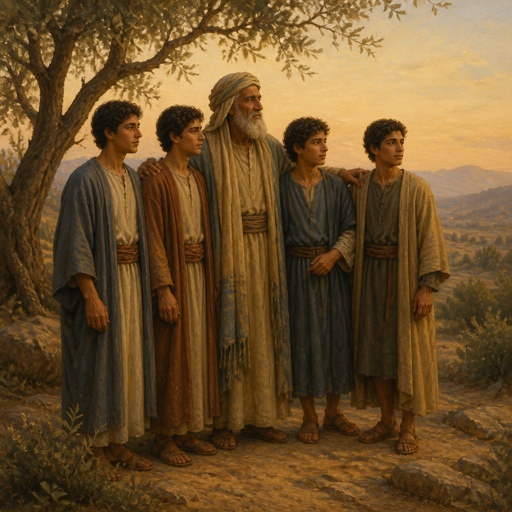
"And the children of Aram; Uz, and Hul, and Gether, and Mash." - Genesis 10:23

Genesis 23-19

Genesis 23-3

Genesis 23-13

Genesis 23-17

Genesis 23:11

Genesis 23-9

Genesis 23:2

Genesis 23-18

Genesis 23-5

Genesis 23-12

Genesis 23-4

Genesis 23-16

Genesis 17-23

Genesis 23:1

Genesis 23-6

Genesis 23-8

Genesis 25-23

Genesis 18-23

Genesis 19-23

Genesis 22-23

Genesis 23-14
Genesis 21-23

Genesis 23-20

Genesis 23-7

Genesis 3:23