What does Genesis 23:11 mean?
“Nay, my lord, hear me: the field give I thee, and the cave that is therein, I give it thee; in the presence of the sons of my people give I it thee: bury thy dead.” — Genesis 23:11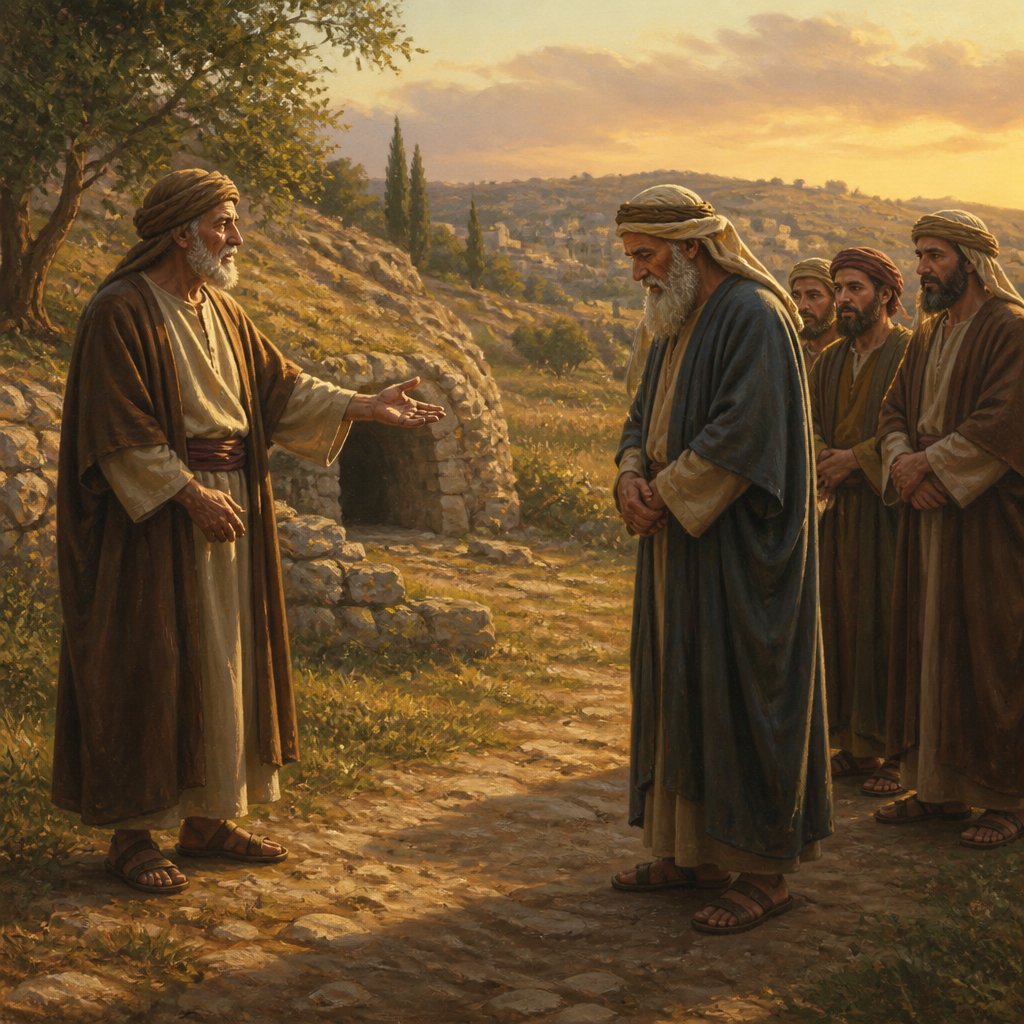
Genesis 23:11 (KJV) states, "Nay, my lord, hear me: the field give I thee, and the cave that is therein, I give it thee; in the presence of the sons of my people give I it thee: bury thy dead."
This verse is part of the narrative of Abraham's attempt to purchase a burial plot for his wife Sarah. After Sarah's passing, Abraham seeks out a suitable place to bury her in Hebron, and he approaches the Hittites, the local inhabitants, to negotiate the purchase of a burial place. The context of this verse is important for understanding its significance, as it reflects themes of faith, ownership, and hospitality.
At this point in the story, Abraham is a sojourner in the land of Canaan, and he knows that he does not truly own any part of it. Despite his status as a foreigner, he approaches the Hittites with a sense of humility and respect, as evidenced by his deferential language in verse 11: "Nay, my lord, hear me." This displays Abraham's willingness to submit to the customs and authorities of the land, even though he has a divine promise from God that the entire land of Canaan will belong to his descendants.
The offering of the field and cave by the Hittite, Ephron, carries significant symbolic weight. By giving Abraham the plot for Sarah's burial, Ephron is displaying an act of hospitality and goodwill towards a foreigner. This act of generosity and kindness toward a stranger echoes the biblical principle of hospitality, which is a recurring theme in the Old Testament. Furthermore, the giving of the burial site also highlights the importance of respecting the dead and providing a proper resting place for them.
In addition to hospitality, the concept of land ownership and inheritance is also central to this verse. The land is a significant and recurring motif throughout the Bible, symbolizing not only physical territory but also spiritual heritage and blessings. In this context, the act of giving the burial plot to Abraham represents a recognition of his rightful place in the land of Canaan, despite his outsider status. It also foreshadows the future possession of the land by his descendants, a fulfillment of God's promise to Abraham.
The specific mention of the cave in this verse also holds symbolic significance. In biblical tradition, caves are often associated with burial sites and are considered to be places of transition and transformation. The act of burying Sarah in a cave underscores the theme of mortality and the cycle of life, death, and the afterlife. It also reflects the cultural and religious practices of the ancient Near East, where cave burials were common.
Overall, Genesis 23:11 captures a poignant moment in the life of Abraham, emphasizing themes of faith, hospitality, and inheritance. It speaks to the importance of respecting cultural customs and traditions while also highlighting the universal human experiences of grief and the search for belonging. As readers, we are reminded of the complex interplay between earthly possessions and spiritual promises, and the significance of honoring the dead. This verse serves as a timeless reminder of the values and principles that are central to the Judeo-Christian tradition, making it a foundational piece of the biblical narrative.
Get our apps


Artwork for Genesis 23:11

Genesis 23:11

Genesis 23:11 - "Nay, my lord, hear me: the field give I thee, and the cave that is therein, I give it thee; in the presence of the sons of my people give I it thee: bury thy dead."
"Nay, my lord, hear me: the field give I thee, and the cave that is therein, I give it thee; in the presence of the sons of my people give I it thee: bury thy dead." - Genesis 23:11

Genesis 11:23 - "And Serug lived after he begat Nahor two hundred years, and begat sons and daughters."
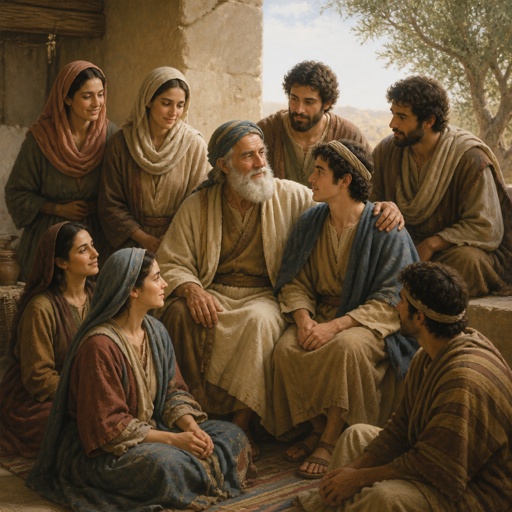
"And Serug lived after he begat Nahor two hundred years, and begat sons and daughters." - Genesis 11:23

Genesis 23-19

Genesis 23-3

Genesis 23-13

Genesis 23-17

Genesis 23-9

Genesis 23:2

Genesis 23-18

Genesis 23-5

Genesis 23-12

Genesis 23-4

Genesis 23-16

Genesis 17-23

Genesis 23:1

Genesis 23-10

Genesis 23-6

Genesis 23-8

Genesis 25-23

Genesis 18-23

Genesis 19-23

Genesis 22-23

Genesis 23-14
Genesis 21-23

Genesis 23-20

Genesis 23-7

Genesis 3:23