What does Genesis 24:24 mean?
"And she said unto him, I am the daughter of Bethuel the son of Milcah, which she bare unto Nahor." - Genesis 24:24
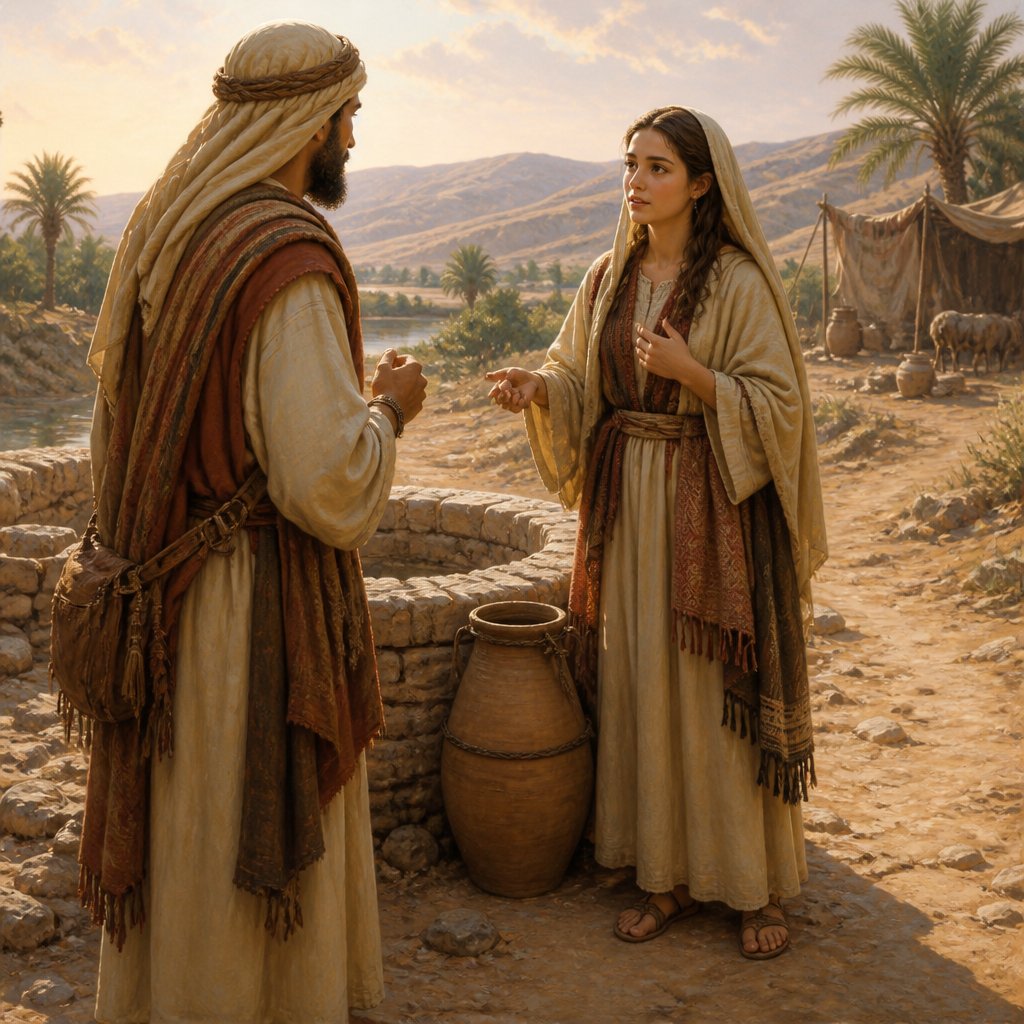
Genesis 24:24 (KJV) - "And she said unto him, I am the daughter of Bethuel the son of Milcah, which she bare unto Nahor."
In this verse, Rebekah, the daughter of Bethuel, lets the servant of Abraham know who she is. This verse comes from the book of Genesis in the Old Testament, which is the first book of the Bible and sets the stage for the creation of the world and the establishment of God's covenant with humanity.
The context of Genesis 24:24 is the story of how Abraham sends his servant to find a wife for his son Isaac. The servant is tasked with finding a woman from Abraham's homeland to ensure that Isaac does not marry a Canaanite woman. The servant travels to the city of Nahor and meets Rebekah at the well. After seeing her kindness and generosity, the servant realizes that she is the one meant to be Isaac's wife. This verse occurs as the servant asks Rebekah about her background and she identifies herself as the daughter of Bethuel, a descendant of Nahor.
The themes present in this verse include providence, faith, and obedience. Throughout the story, we see how God's providence works through the actions of those who are faithful and obedient to His will. Abraham's servant is obedient to his master and sets out on a journey, trusting in God to guide him. Rebekah demonstrates kindness and hospitality, which are qualities that are valued and rewarded in the biblical narrative. The overarching theme is the fulfillment of God's promise to Abraham to provide a wife for his son Isaac, and how this promise is carried out through the faith and obedience of those involved.
In terms of symbolism, the verse highlights the importance of lineage and ancestry in the biblical narrative. Rebekah's identification of herself as the daughter of Bethuel and the descendant of Nahor establishes her as a worthy bride for Isaac, as she comes from the same lineage as Abraham. This emphasizes the significance of heritage and the fulfillment of God's promises to His chosen people through their descendants.
Furthermore, the well where Rebekah meets the servant is a symbol of divine guidance and providence. In the Bible, wells are often associated with pivotal moments in the lives of the patriarchs and matriarchs. They are places where important encounters take place, such as marriages, alliances, and revelations. In this story, the well serves as the setting for the meeting between Rebekah and the servant, and it is where God's providence is manifested in the form of a suitable wife for Isaac.
Overall, Genesis 24:24 is a crucial verse in the larger narrative of God's covenant with His people and the fulfillment of His promises. It emphasizes the themes of providence, faith, and obedience, and uses symbolism such as lineage and the well to convey the significance of the events unfolding in the story. This verse serves as a reminder of the faithfulness of God and the importance of trusting in His guidance and providence in all aspects of life.
Have questions about Genesis 24:24?
Dive deeper into this scripture with Bible Chat — an AI-powered tool for exploring God's Word through conversation. Ask questions, get context, and grow in your understanding of the Bible.
Get Our Apps


Genesis 24:24 Artwork

Genesis 24:24
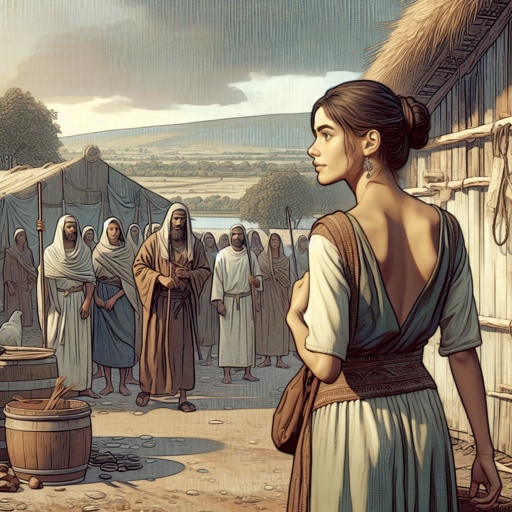
Genesis 24:24 - "And she said unto him, I am the daughter of Bethuel the son of Milcah, which she bare unto Nahor."
"And she said unto him, I am the daughter of Bethuel the son of Milcah, which she bare unto Nahor." - Genesis 24:24

Genesis 24-21

Genesis 25-24

Genesis 24-41

Genesis 24-61

Genesis 24:36

Genesis 24-54

Genesis 24-50

Genesis 24:60

Genesis 24-62

Genesis 24-7

Genesis 24-26

Genesis 24-55

Genesis 24-59

Genesis 24-56

Genesis 3:24

Genesis 24-53

Genesis 24-63

Genesis 24-66

Genesis 21-24

Genesis 24-15

Genesis 24-48

Genesis 24-43

Genesis 24-16

Genesis 24-3

Genesis 19:24

Genesis 24-17

Genesis 24-23