What does Genesis 24:27 mean?
“And he said, Blessed be the LORD God of my master Abraham, who hath not left destitute my master of his mercy and his truth: I being in the way, the LORD led me to the house of my master’s brethren.” — Genesis 24:27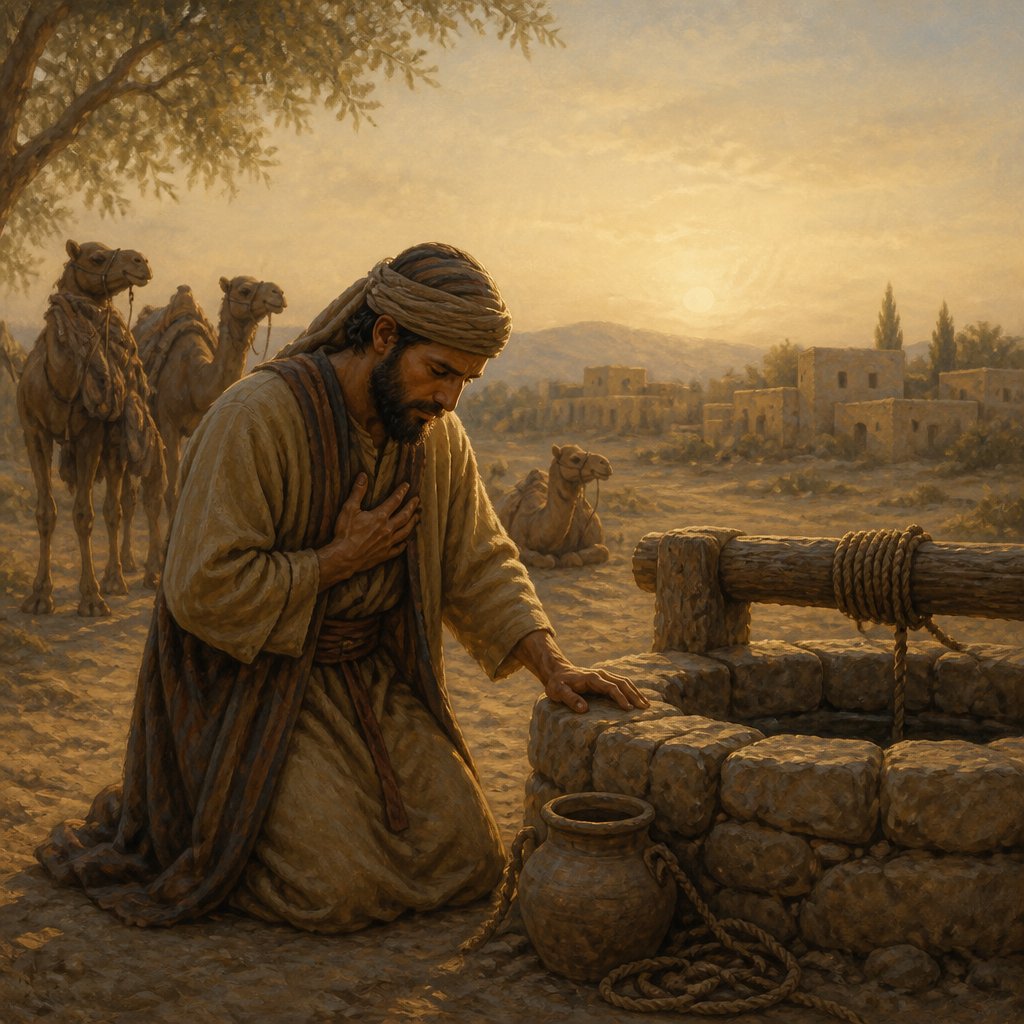
Genesis 24:27 (KJV) - "And he said, Blessed be the Lord God of my master Abraham, who hath not left destitute my master of his mercy and his truth: I being in the way, the Lord led me to the house of my master's brethren."
This verse comes from the story of Abraham’s servant, who is sent on a journey to find a wife for Abraham’s son, Isaac. This passage is part of the larger narrative of God’s faithfulness to Abraham and his descendants, and it demonstrates the servant’s recognition of God’s providence in leading him to the right woman for Isaac.
The verse begins with the servant acknowledging the Lord God of his master Abraham, expressing his gratitude and reverence for the God of his master. This shows the servant’s recognition of God’s role in guiding and providing for Abraham, and it sets the tone for the rest of the verse. The servant acknowledges that it is the Lord God who has not left his master destitute of his mercy and truth. This statement reflects the servant’s belief in God’s faithfulness and reliability in keeping his promises. It also demonstrates the servant’s understanding of God’s character as a merciful and truthful God, which aligns with the themes of God’s faithfulness and provision found throughout the Bible.
The servant then goes on to explain how he was led by the Lord to the house of his master’s brethren. This shows the servant’s awareness of God’s guidance in his journey, and it highlights the theme of God’s providence and leading in the lives of believers. The servant acknowledges that it was the Lord who directed him to the right place at the right time, demonstrating his trust in God’s sovereignty and his belief that God is actively involved in the affairs of human beings.
One of the key themes of this verse is the faithfulness of God. The servant’s acknowledgment of God’s mercy and truth reflects a deep trust in God’s character and his ability to provide for his people. It also emphasizes the importance of recognizing and giving thanks for God’s faithfulness in our lives, even in the midst of difficult or uncertain circumstances.
Another important theme is the idea of divine guidance. The servant’s recognition of God’s leading in his journey highlights the belief that God is actively involved in directing the paths of his people. This theme is echoed throughout the Bible, and it serves as a reminder that we can trust in God’s guidance and seek his will in our own lives.
The context of this verse within the larger narrative of the Bible also adds depth to its meaning. The story of Abraham and his descendants is a foundational part of the biblical narrative, and it serves as a demonstration of God’s faithfulness and provision for his people. This verse specifically points to God’s role in fulfilling his promises to Abraham and his family, and it underscores the idea that God’s faithfulness extends across generations.
Symbolically, this verse represents the idea of divine providence and the importance of recognizing God’s hand in our lives. The servant’s acknowledgment of God’s leading serves as a model for believers to trust in God’s guidance and to give thanks for his faithfulness. It also highlights the role of human obedience in following God’s leading, as the servant’s willingness to be "in the way" allowed God to lead him to the right place.
In conclusion, Genesis 24:27 (KJV) is a powerful depiction of the servant’s recognition of God’s faithfulness and guidance. It highlights important themes such as divine providence, the faithfulness of God, and the necessity of human obedience. Its placement within the larger biblical narrative adds depth and significance to its message, and its symbolism serves as a timeless reminder of the importance of trusting in God’s leading and giving thanks for his faithfulness.
Get our apps


Artwork for Genesis 24:27

Genesis 24-27
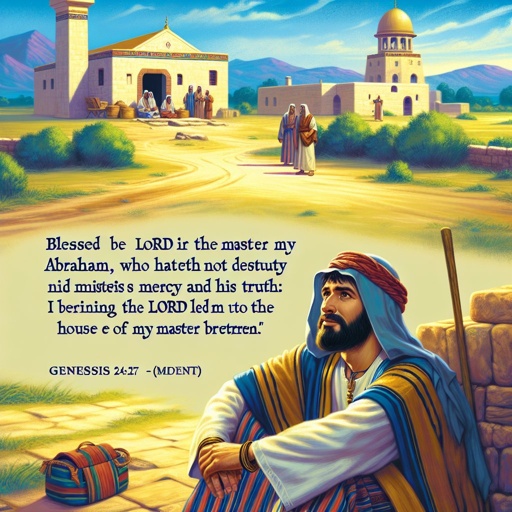
Genesis 24:27 - "And he said, Blessed be the LORD God of my master Abraham, who hath not left destitute my master of his mercy and his truth: I being in the way, the LORD led me to the house of my master's brethren."
"And he said, Blessed be the LORD God of my master Abraham, who hath not left destitute my master of his mercy and his truth: I being in the way, the LORD led me to the house of my master's brethren." - Genesis 24:27
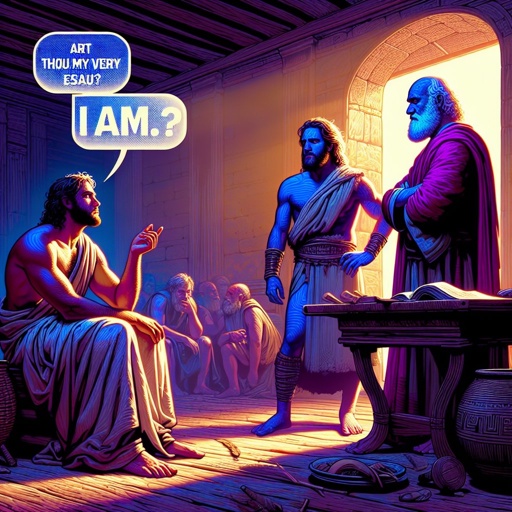
Genesis 27:24 - "And he said, Art thou my very son Esau? And he said, I am."
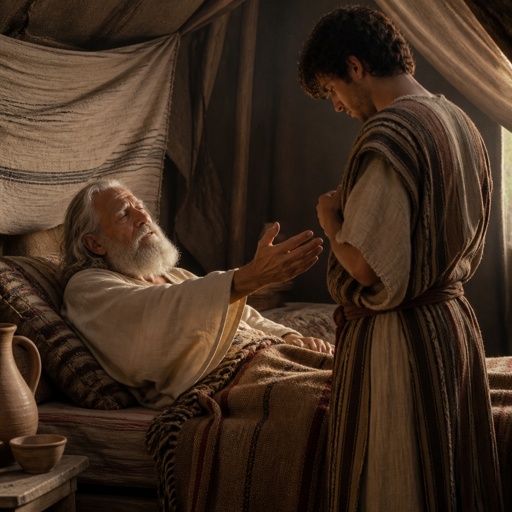
"And he said, Art thou my very son Esau? And he said, I am." - Genesis 27:24

Genesis 24:24

Galatians 4:24-27

Matthew 24:27

Matthew 7:24-27

Genesis 27:5

Genesis 27:32

Genesis 25-27

Genesis 17-27

Genesis 18-27

Genesis 21-27

Genesis 19-27

Genesis 10:27 - "And Hadoram, and Uzal, and Diklah,"

Genesis 27:10 KJV

Genesis 27:18-19

Genesis 24-21

Genesis 25-24

Genesis 24-41

Genesis 24-61

Genesis 24:36

Genesis 24-54

Genesis 24-50

Genesis 24:60

Genesis 24-62

Genesis 24-7

Genesis 24-26