What does Genesis 25:11 mean?
"¶ And it came to pass after the death of Abraham, that God blessed his son Isaac; and Isaac dwelt by the well Lahai-roi." - Genesis 25:11
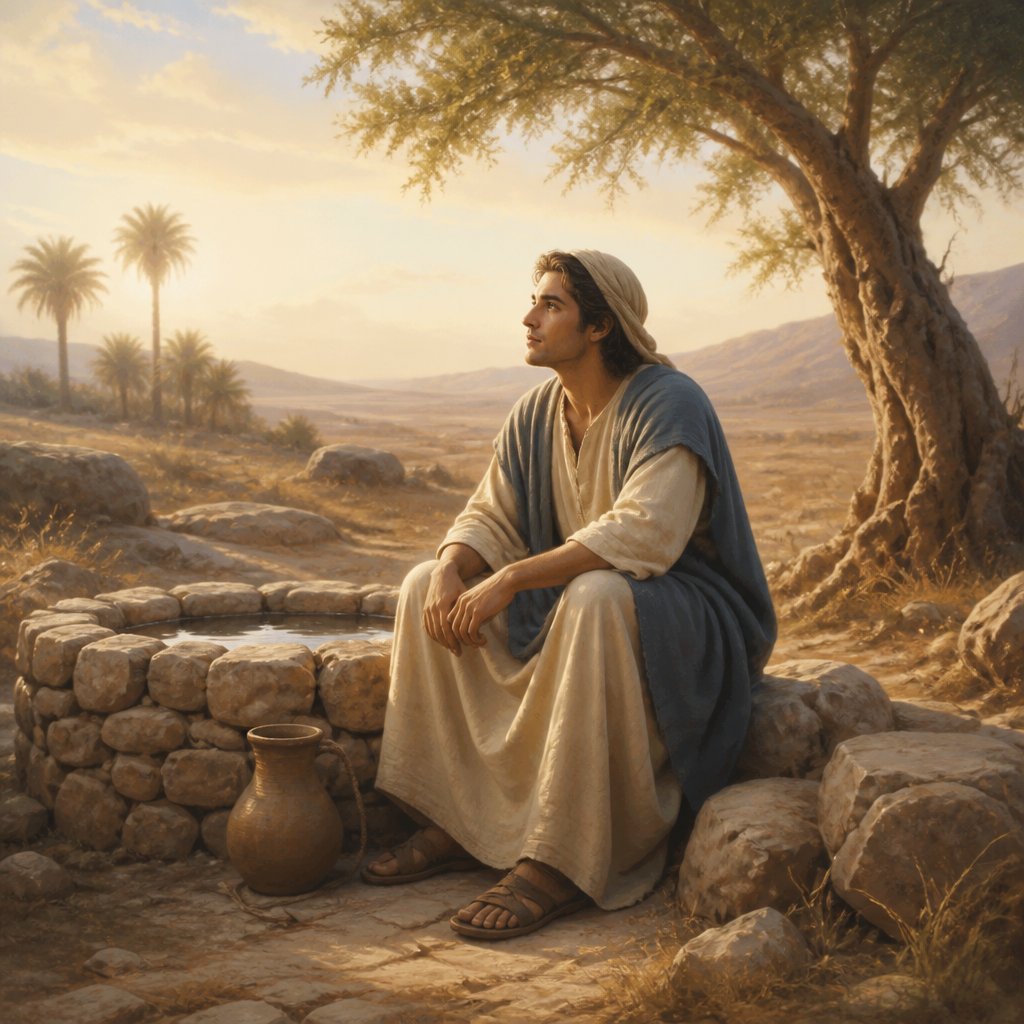
Genesis 25:11 (KJV) states, "And it came to pass after the death of Abraham, that God blessed his son Isaac; and Isaac dwelt by the well Lahai-roi." This verse occurs immediately after the death of Abraham, the patriarch and father of the Israelite nation, and highlights the passing of the torch from one generation to the next.
The verse begins with the phrase "And it came to pass," signifying a transition in the narrative. This transition marks the end of Abraham's era and the beginning of Isaac's journey as the new leader of the Israelites. It speaks to the inevitability of change and the unfolding of God's plan in the lives of His people.
The verse goes on to say, "that God blessed his son Isaac." This blessing from God underscores the continuity of the covenant that God made with Abraham. It reaffirms God's faithfulness in fulfilling His promises to the descendants of Abraham. This blessing is significant as it demonstrates God's approval and favor upon Isaac as the chosen heir of the covenant.
The verse concludes with the statement, "and Isaac dwelt by the well Lahai-roi." This detail is not a mere geographical location but holds symbolic significance. In Hebrew, "Lahai-roi" means "the living one who sees me." This well is mentioned earlier in the book of Genesis as the place where Hagar, the servant of Sarah, encountered the angel of the Lord when she was fleeing from her mistress. The well becomes a symbol of God's providence, protection, and presence in the lives of His people.
The broader context of Genesis 25:11 is the narrative of the patriarchs, particularly the transition of leadership from one generation to the next. It reflects the overarching theme of God's faithfulness and provision for His people throughout their history. It also emphasizes the significance of blessings and heirship within the family lineage, as Isaac assumes the mantle of leadership after the passing of his father, Abraham.
The verse also highlights the spiritual significance of wells in the Bible. Wells are not just sources of water but also serve as symbols of life, sustenance, and divine encounter. They are often associated with moments of deep spiritual significance, such as when Isaac meets his wife Rebekah at a well, or when Jacob encounters Rachel at a well. In this verse, the well Lahai-roi becomes a symbol of God's watchful presence and continuous provision for His people.
Furthermore, the verse signifies the continuity of God's covenant with the descendants of Abraham. It portrays God's sovereignty and faithfulness in ensuring that His promises are passed down through successive generations. Isaac's dwelling by the well Lahai-roi serves as a reminder of God's continuous presence and care for His people, despite the changing circumstances and transitions in leadership.
In conclusion, Genesis 25:11 holds profound significance within the broader context of the patriarchal narrative, highlighting themes of transition, blessing, and the continuity of God's covenant with His people. It serves as a testament to God's unwavering faithfulness and provision for His chosen ones, as well as a reminder of His ever-present care and watchful eye over His creation.
Have questions about Genesis 25:11?
Dive deeper into this scripture with Bible Chat — an AI-powered tool for exploring God's Word through conversation. Ask questions, get context, and grow in your understanding of the Bible.
Get Our Apps


Genesis 25:11 Artwork
Genesis 25-11

Genesis 25:11 - "¶ And it came to pass after the death of Abraham, that God blessed his son Isaac; and Isaac dwelt by the well Lahai-roi."
"¶ And it came to pass after the death of Abraham, that God blessed his son Isaac; and Isaac dwelt by the well Lahai-roi." - Genesis 25:11

Genesis 11:25 - "And Nahor lived after he begat Terah an hundred and nineteen years, and begat sons and daughters."

Genesis 25:25
"And Nahor lived after he begat Terah an hundred and nineteen years, and begat sons and daughters." - Genesis 11:25

Genesis 1:1-25

Genesis 1:1-25

Genesis 1:1-25

Genesis 25-18

Genesis 25-24

Genesis 25-2

Genesis 25-7

Genesis 25-23

Genesis 25-14

Genesis 50:25

Genesis 25:1

Genesis 26:25

Genesis 25-15

Genesis 21:25

Genesis 25-13

Genesis 25-26

Genesis 50:25

Genesis 25-6

Genesis 2:25

Genesis 18:25

Genesis 25-16

Genesis 25-32

Genesis 25-10

Genesis 18-25