What does Genesis 25:12 mean?
“Now these are the generations of Ishmael, Abraham’s son, whom Hagar the Egyptian, Sarah’s handmaid, bare unto Abraham:” — Genesis 25:12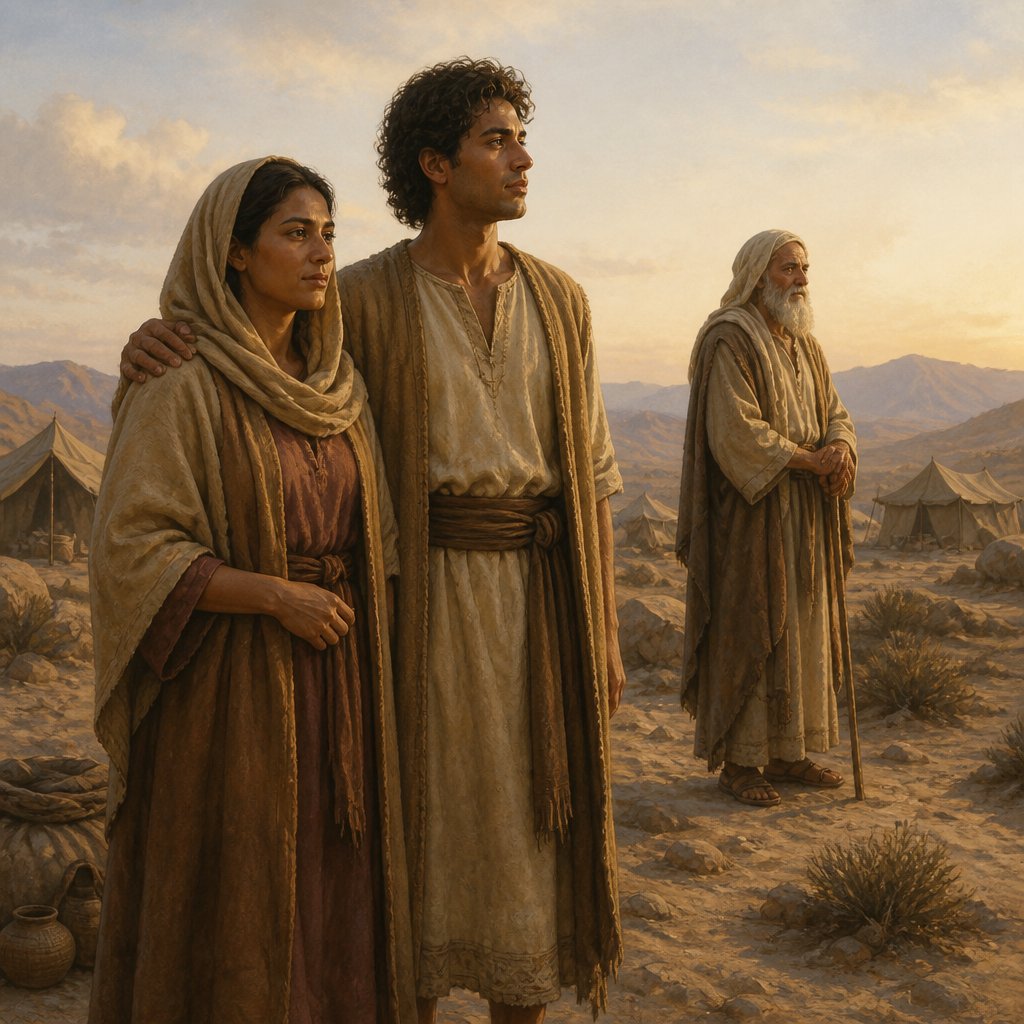
Genesis 25:12 (KJV) states, "Now these are the generations of Ishmael, Abraham's son, whom Hagar the Egyptian, Sarah's handmaid, bare unto Abraham."
This verse is part of the Bible's account of the descendants of Ishmael, the son of Abraham and Hagar. It marks the beginning of the genealogy of Ishmael, documenting his offspring and the various tribes that descended from him. This verse not only serves as a historical record but also carries significant theological and symbolic meanings.
The significance of this verse lies in its connection to the broader narrative of the Bible. In the Old Testament, the genealogy of individuals and tribes holds great importance, as it establishes lineage, inheritance, and future promises. The genealogy of Ishmael serves to show God's fulfillment of his promise to Abraham of making him into a great nation, as Ishmael's descendants eventually form powerful tribes with their own unique identities and roles in the biblical narrative.
In the context of the larger story of Abraham and his family, the genealogy of Ishmael stands as a reminder of God's faithfulness to his promises. Despite the complex and sometimes tumultuous relationships within the family, God's plan is always fulfilled in accordance with his will. This theme of God's sovereignty and faithfulness is reiterated throughout the Bible, as God continues to work through imperfect and flawed human beings to bring about his purposes.
Symbolically, the genealogy of Ishmael also represents the diverse and complex nature of human relationships and identities. Ishmael, as the son of Abraham and Hagar, occupies a unique position within the family, being both a part of and yet distinct from the line of promise through Isaac. The genealogy of Ishmael reminds us of the complexities of human life and relationships, and how God's plans encompass a wide range of people and experiences.
Additionally, the genealogy of Ishmael also serves as a representation of the broader biblical theme of redemption and inclusion. Despite Ishmael's position as the son of a slave woman, God's grace extends to him and his descendants, including them in the unfolding story of God's redemptive work in the world. This theme is echoed throughout the Bible, as God consistently shows concern for the marginalized, the outcast, and the forgotten, offering them a place within his larger plan.
Ultimately, the genealogy of Ishmael in Genesis 25:12 serves as a reminder of the overarching themes of God's faithfulness, the complexities of human relationships, and the inclusivity of God's redemptive work. It also highlights the importance of understanding biblical verses in their broader context, as part of the larger narrative of God's interaction with humanity. This verse encourages readers to consider the diversity of human experiences and relationships, and to recognize God's hand at work in all aspects of life.
Get our apps


Artwork for Genesis 25:12

Genesis 25:12

Genesis 25:12 - "¶ Now these are the generations of Ishmael, Abraham's son, whom Hagar the Egyptian, Sarah's handmaid, bare unto Abraham:"
"¶ Now these are the generations of Ishmael, Abraham's son, whom Hagar the Egyptian, Sarah's handmaid, bare unto Abraham:" - Genesis 25:12

Genesis 25:25

Genesis 1:1-25

Genesis 1:1-25

Genesis 1:1-25

Genesis 25-18

Genesis 25-24

Genesis 25-2

Genesis 25-7

Genesis 25-23

Genesis 25-14

Genesis 50:25

Genesis 25:1

Genesis 26:25

Genesis 25-15

Genesis 21:25

Genesis 25-13

Genesis 25-26

Genesis 50:25

Genesis 25-6

Genesis 2:25

Genesis 18:25

Genesis 25-16

Genesis 25-32

Genesis 25-10

Genesis 18-25

Genesis 25-8

Genesis 25-3