What does Genesis 25:9 mean?
“And his sons Isaac and Ishmael buried him in the cave of Machpelah, in the field of Ephron the son of Zohar the Hittite, which is before Mamre;” — Genesis 25:9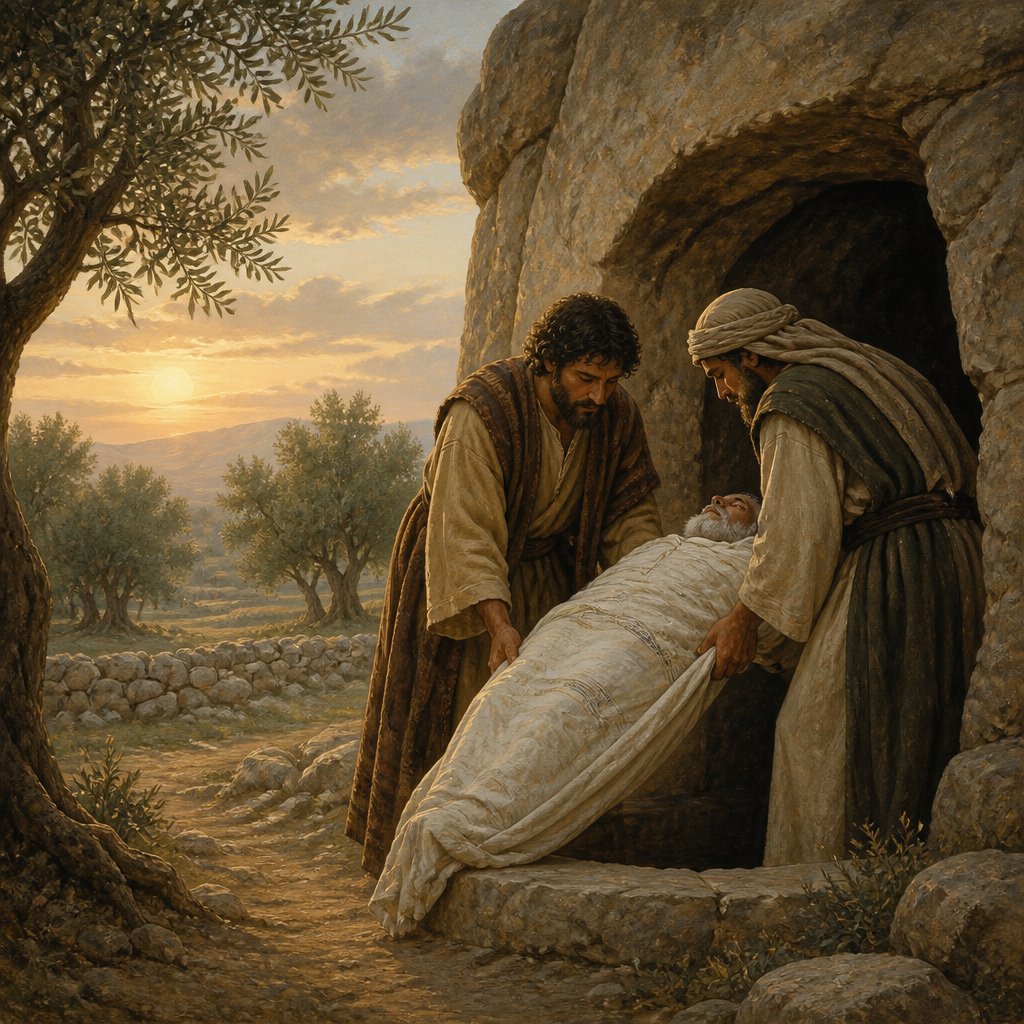
Genesis 25:9 (KJV) says, "And his sons Isaac and Ishmael buried him in the cave of Machpelah, in the field of Ephron the son of Zohar the Hittite, which is before Mamre."
This verse from the book of Genesis is part of the larger narrative of the life and death of Abraham, the patriarch of the Israelite and Ishmaelite people. It speaks to the theme of family, burial customs, and the transition of leadership from one generation to the next.
Abraham, the father of Isaac and Ishmael, is a central figure in the Abrahamic religions – Judaism, Christianity, and Islam – and is revered as a prophet and founder of the faith. The verse speaks to the unity and respect between the two sons, Isaac and Ishmael, as they come together to bury their father. The act of burying a loved one is a sign of honor and reverence in many cultures, and it is significant that both sons put aside any differences to lay their father to rest.
The mention of the cave of Machpelah holds great symbolic importance as well. This burial site, located in Hebron in present-day West Bank, is believed to be the resting place of Abraham and other key biblical figures, including Sarah, Isaac, Rebekah, and Jacob. It is considered one of the holiest sites in Judaism and is also revered by Muslims. The cave of Machpelah represents a physical and spiritual connection to the ancestral lineage of the Israelite and Ishmaelite people. It signifies a link to the past and a continuity of faith and tradition across generations.
The field of Ephron the Hittite, where the cave is located, is also significant. The Hittites were a people who inhabited the region during biblical times, and their presence in the story reflects the diversity and interconnectedness of different cultures in the ancient Near East. The fact that Abraham purchased the cave from Ephron the Hittite in order to bury Sarah, and later himself, signifies the importance of land ownership and the establishment of a permanent and sacred resting place for the family.
Furthermore, the reference to Mamre in the verse is noteworthy. Mamre was a place near Hebron where Abraham had settled and where he had encounters with God. It was a site of significance for the patriarch and his family. Thus, the mention of Mamre adds a layer of spiritual and historical context to the verse, linking it to the broader narrative of Abraham's life and faith.
In a broader sense, the verse speaks to the passage of leadership and the continuation of the family line. After Abraham's death, Isaac becomes the next patriarch and leader of the Israelite people, while Ishmael goes on to establish his own lineage as the father of the Ishmaelites. The unity displayed by the two brothers in burying their father suggests a level of reconciliation and respect, despite the historical tensions between their descendants.
In conclusion, Genesis 25:9 is a verse rich in symbolism and meaning. It speaks to the themes of family, honor, tradition, and the interconnectedness of different cultures and faiths. The act of burying Abraham in the cave of Machpelah represents a link to the past and a continuity of faith across generations. It also signifies the transition of leadership from one generation to the next, as Isaac and Ishmael come together to honor their father. The verse holds deep significance for believers of Judaism, Christianity, and Islam, as it is tied to the shared heritage and spiritual legacy of the Abrahamic faiths.
Get our apps


Artwork for Genesis 25:9

Genesis 25-9

Genesis 25:9 - "And his sons Isaac and Ishmael buried him in the cave of Machpelah, in the field of Ephron the son of Zohar the Hittite, which is before Mamre;"
"And his sons Isaac and Ishmael buried him in the cave of Machpelah, in the field of Ephron the son of Zohar the Hittite, which is before Mamre;" - Genesis 25:9

Genesis 9:24-25

Genesis 9:25 - "And he said, Cursed be Canaan; a servant of servants shall he be unto his brethren."

Genesis 25:25
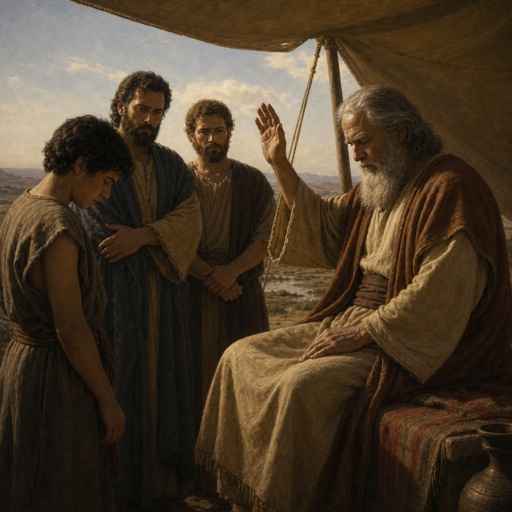
"And he said, Cursed be Canaan; a servant of servants shall he be unto his brethren." - Genesis 9:25

Genesis 1:1-25

Genesis 1:1-25

Genesis 1:1-25

Genesis 25-2

Genesis 25-18

Genesis 25-24

Genesis 25-7

Genesis 25-23

Genesis 25-14

Genesis 26:25

Genesis 50:25

Genesis 25:1

Genesis 21:25

Genesis 25-15

Genesis 25-26

Genesis 25-13

Genesis 50:25

Genesis 25-32

Genesis 25-6

Genesis 18-25

Genesis 25-16

Genesis 2:25

Genesis 18:25