What does Genesis 26:21 mean?
“And they digged another well, and strove for that also: and he called the name of it Sitnah.” — Genesis 26:21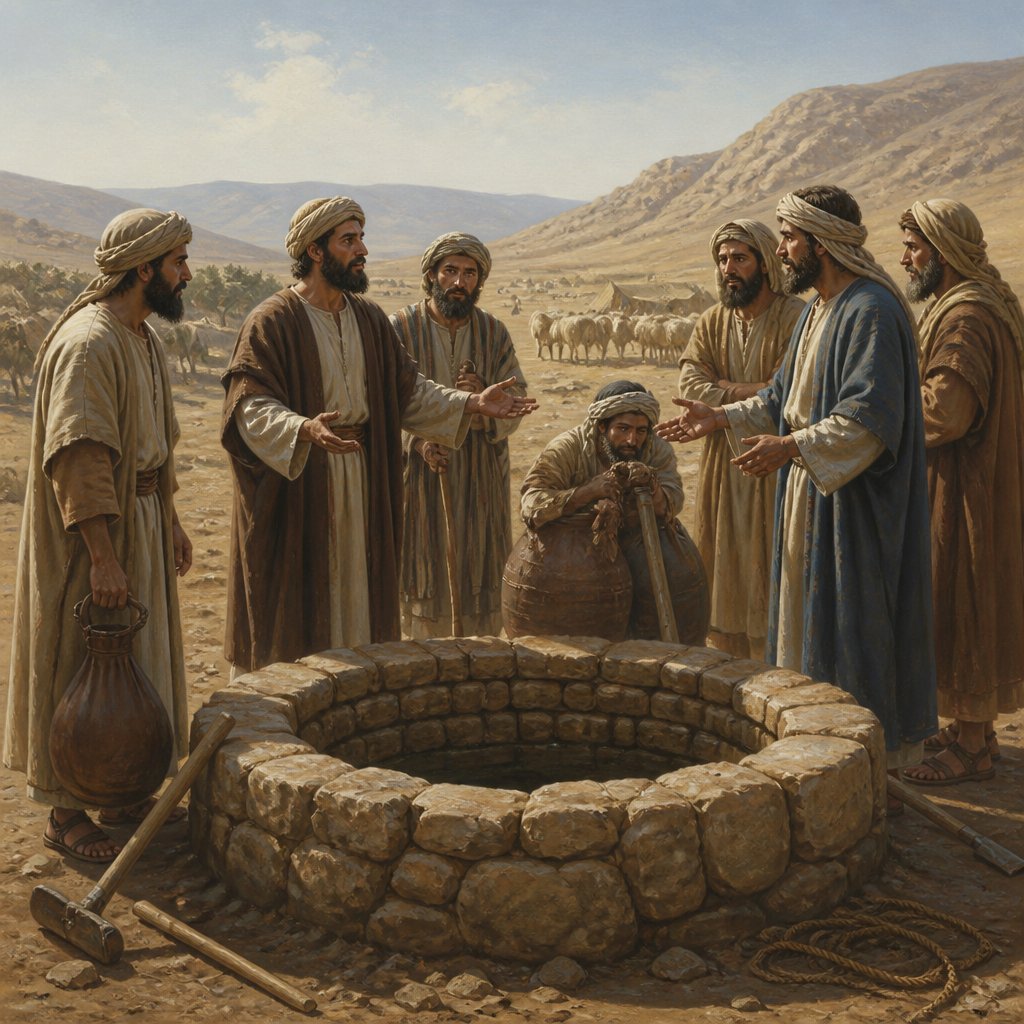
Genesis 26:21 (KJV) states, "And they digged another well, and strove for that also: and he called the name of it Sitnah."
This verse is part of the account of Isaac, the son of Abraham, who faced many challenges in his life, including disputes over water wells. The broader context of this verse is important for understanding its meaning and significance. In Genesis 26, we see Isaac relocating to Gerar due to a famine in the land of Canaan. God appears to Isaac and reaffirms the covenant made with his father, Abraham. As Isaac settles in Gerar, he finds himself in conflict with the local people over the control of water sources. The verse in question follows Isaac's attempt to dig a well, only to face opposition and contention from the residents of the area. Despite the conflict, Isaac perseveres and names the well "Sitnah," which means "enmity" or "hatred."
This verse and the larger narrative in which it is situated touch on several important themes and motifs. One key theme is the idea of conflict and perseverance. Isaac's experience of striving to dig a well and facing resistance reflects the challenges and obstacles that individuals often encounter in their lives. The perseverance shown by Isaac serves as an example of faithfulness and determination in the face of adversity. This theme resonates with many readers who can relate to the struggles and conflicts that arise in their own journeys.
Another significant theme in this verse is the concept of land and resources. In the ancient world, access to water was vital for survival, and control over wells was a source of power and wealth. The disputes over water wells in the narrative highlight the importance of natural resources in shaping human interactions and relationships. The struggles over the wells also underscore the broader theme of inheritance and ownership, as Isaac seeks to establish his presence and secure his rights in the land promised to his father, Abraham.
Furthermore, the naming of the well as "Sitnah" carries symbolic weight. The act of naming in the Bible often conveys deeper meanings and reflects the character of individuals or the significance of events. In this case, the name "Sitnah" encapsulates the animosity and hostility that characterized the disputes over the well. The naming of the well serves as a reminder of the conflicts that arose in that place and the challenges faced by Isaac. It also serves as a marker of the struggles that shaped the history of the land and the people who inhabited it.
In a broader theological context, this verse and the narrative of Isaac's experiences can be understood as part of God's unfolding plan for the fulfillment of His promises. The conflicts and challenges that Isaac faces are ultimately resolved through divine intervention and providence. This reflects the larger biblical theme of God's faithfulness and sovereignty, as His plans cannot be thwarted by human opposition or adversity.
In conclusion, Genesis 26:21 captures a pivotal moment in the life of Isaac, conveying important themes of conflict, perseverance, land, and divine providence. The verse and the broader narrative in which it is situated offer valuable insights into the complexities of human experience and the unfolding of God's purposes. The struggles and triumphs of Isaac resonate with readers across cultures and generations, offering timeless lessons about faith, resilience, and the enduring faithfulness of God.
Get our apps


Artwork for Genesis 26:21

Genesis 26:21 - "And they digged another well, and strove for that also: and he called the name of it Sitnah."
"And they digged another well, and strove for that also: and he called the name of it Sitnah." - Genesis 26:21

Genesis 21-26
Genesis 21:26 - "And Abimelech said, I wot not who hath done this thing: neither didst thou tell me, neither yet heard I of it, but to day."

Genesis 1:26

Genesis 1:26

Genesis 1:26

Genesis 21-21

Genesis 1:26

Genesis 24-26

Genesis 26:35

Genesis 50:26

Genesis 26:25

Genesis 25-26

Genesis 50:26

Genesis 50:26

Genesis 26:29

Genesis 18-26

Genesis 19-26

Genesis 26:18

Genesis 50:26

Genesis 26:9

Genesis 17-26

Luke 6:21-26

Genesis 1:21

Luke 6:21-26

Genesis 1:21

Genesis 26 1 famine

Genesis 26:6 - "¶ And Isaac dwelt in Gerar:"

genesis 26:1-35