What does Genesis 26:34 mean?
“And Esau was forty years old when he took to wife Judith the daughter of Beeri the Hittite, and Bashemath the daughter of Elon the Hittite:” — Genesis 26:34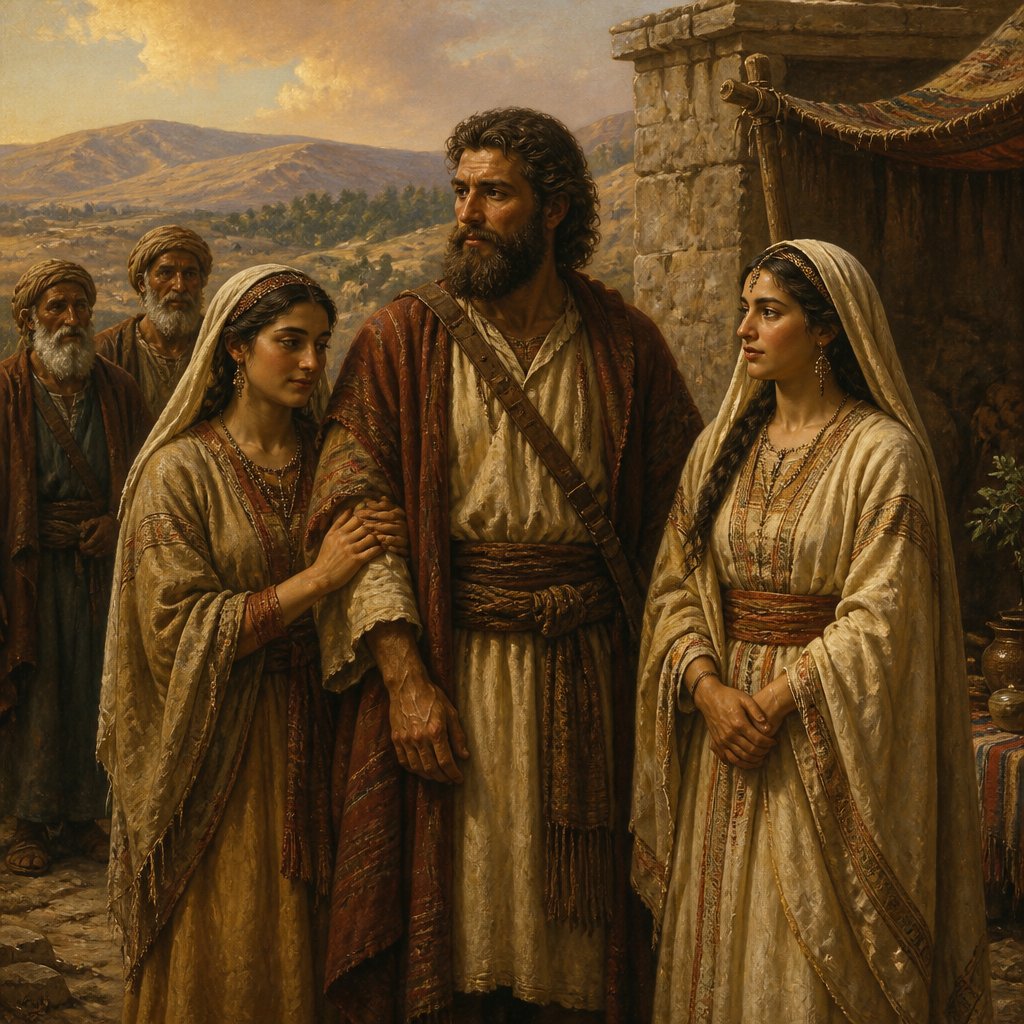
Genesis 26:34 in the King James Version of the Bible reads, "And Esau was forty years old when he took to wife Judith the daughter of Beeri the Hittite, and Bashemath the daughter of Elon the Hittite." This verse comes from the story of Isaac and Rebekah and their twin sons, Esau and Jacob.
The context of this verse is important to understanding its significance. The story of Isaac and Rebekah is a complicated one, filled with themes of love, deception, and sibling rivalry. In this particular verse, we see Esau, the older of the twins, marrying two Hittite women, which causes distress for his parents.
One of the key themes in this verse is the importance of marriage and family in the biblical narrative. Marriage is often portrayed as a sacred institution, and the choice of a spouse is a significant decision that can have far-reaching consequences. In this case, Esau's decision to marry Hittite women goes against the wishes of his parents, who wanted him to marry within their own tribe.
The mention of the Hittites is also significant in the broader context of the Bible. The Hittites were a Canaanite people who lived in the region that would later become Israel. Throughout the Old Testament, the Israelites are often instructed to avoid intermarrying with the Canaanites, as this would lead them away from their faith and traditions. Esau's marriage to Hittite women can thus be seen as a deviation from the path that God had set out for the Israelites.
Symbolism plays an important role in this verse as well. The choice of Esau to marry Hittite women symbolizes a turning away from his heritage and his faith. It demonstrates a lack of respect for his parents' wishes and calls into question his commitment to the promises made to his ancestors.
Furthermore, Esau's decision to marry two women is also noteworthy. In the biblical narrative, polygamy is not uncommon, particularly among the patriarchs. However, it is often associated with conflict and jealousy, as we see in the story of Jacob and his two wives, Rachel and Leah. Esau's choice to marry two women sets the stage for future turmoil within his household.
The age of forty is also significant in the biblical narrative. Throughout the Bible, the number forty is often associated with a period of testing or trial. For example, the Israelites wandered in the wilderness for forty years, and Jesus fasted for forty days in the desert. Esau's decision to marry at the age of forty may therefore be seen as a pivotal moment in his life, marking a turning point in his story.
In conclusion, Genesis 26:34 is a verse rich in meaning and symbolism. It sheds light on the complexities of family relationships, the importance of marriage, and the consequences of straying from one's faith and traditions. It serves as a cautionary tale, reminding readers of the importance of honoring one's heritage and staying true to the path set out by God.
Get our apps


Artwork for Genesis 26:34

Genesis 26:34 - "¶ And Esau was forty years old when he took to wife Judith the daughter of Beeri the Hittite, and Bashemath the daughter of Elon the Hittite:"
"¶ And Esau was forty years old when he took to wife Judith the daughter of Beeri the Hittite, and Bashemath the daughter of Elon the Hittite:" - Genesis 26:34

Genesis 34:26 - "And they slew Hamor and Shechem his son with the edge of the sword, and took Dinah out of Shechem's house, and went out."
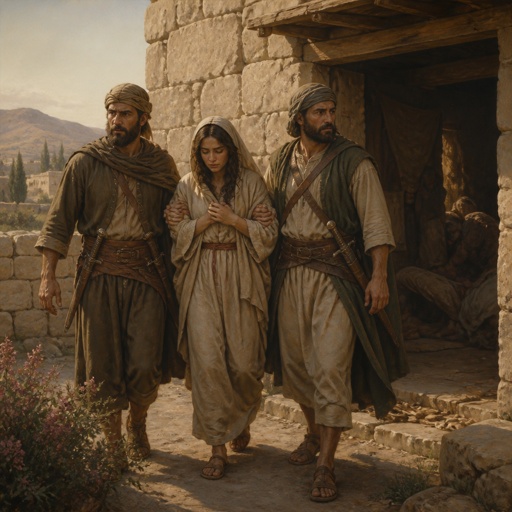
"And they slew Hamor and Shechem his son with the edge of the sword, and took Dinah out of Shechem's house, and went out." - Genesis 34:26

Genesis 21-34

Genesis 19-34

Genesis 24-34

Numbers 34:26 - "And the prince of the tribe of the children of Issachar, Paltiel the son of Azzan."

Job 34:26 - "He striketh them as wicked men in the open sight of others;"

Genesis 1:26

Genesis 1:26

Genesis 1:26

Genesis 21:34 - "And Abraham sojourned in the Philistines' land many days."

Genesis 1:26

Exodus 26:34 - "And thou shalt put the mercy seat upon the ark of the testimony in the most holy place."

Genesis 24:34 - "And he said, I am Abraham's servant."

Genesis 34:18 - "And their words pleased Hamor, and Shechem Hamor's son."

Numbers 26:34 - "These are the families of Manasseh, and those that were numbered of them, fifty and two thousand and seven hundred."

Genesis 34:31 - "And they said, Should he deal with our sister as with an harlot?"

Genesis 36:34 - "And Jobab died, and Husham of the land of Temani reigned in his stead."

Genesis 34:28 - "They took their sheep, and their oxen, and their asses, and that which was in the city, and that which was in the field,"

Genesis 24-26

Genesis 26:35

Genesis 50:26

Genesis 26:25

Genesis 25-26

Genesis 21-26

Genesis 50:26

Genesis 50:26

Genesis 26:29