What does Genesis 28:9 mean?
“Then went Esau unto Ishmael, and took unto the wives which he had Mahalath the daughter of Ishmael Abraham’s son, the sister of Nebajoth, to be his wife.” — Genesis 28:9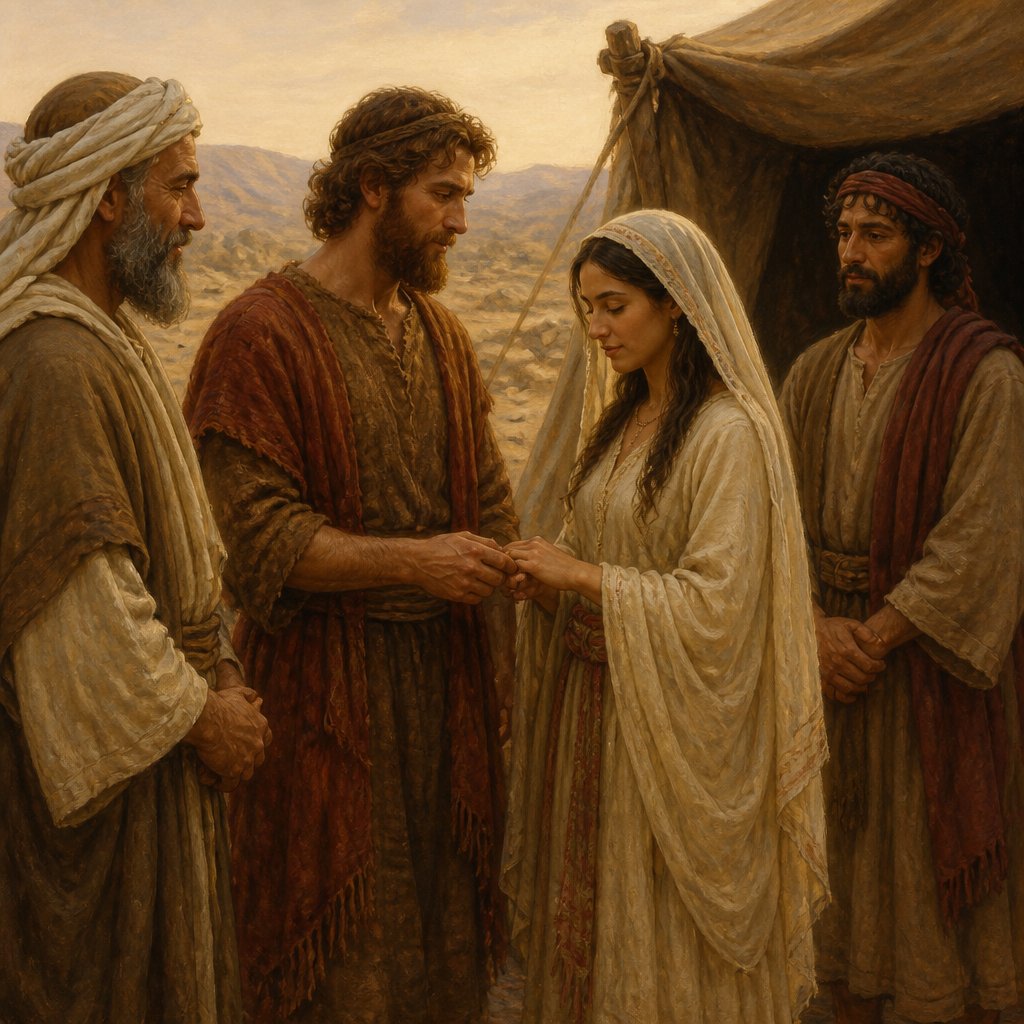
Genesis 28:9 in the King James Version (KJV) reads, "Then went Esau unto Ishmael, and took unto the wives which he had Mahalath the daughter of Ishmael Abraham's son, the sister of Nebajoth, to be his wife." This verse takes place in the Old Testament and is part of the larger story of Jacob and Esau, the twin sons of Isaac and grandsons of Abraham. The story of Jacob and Esau can be found in the Book of Genesis, which is the first book of the Bible.
To understand the significance and meaning of Genesis 28:9, it is important to consider the broader context of the story. Jacob and Esau were born to Isaac and Rebekah, with Esau being the elder of the two. In ancient Israelite culture, the elder son held a special position of honor and privilege, as he was entitled to receive the family's inheritance and leadership responsibilities. However, Jacob, the younger twin, tricked his father Isaac into giving him the blessing that was meant for Esau, leading to a deep rift between the brothers.
In Genesis 28, Jacob is sent away by his mother Rebekah to escape Esau's wrath and to find a wife from her brother Laban's family. On his journey, Jacob stops for the night and has a dream in which he sees a ladder stretching from earth to heaven, with angels ascending and descending on it. This dream is significant as it represents God's promise to Jacob and his descendants, known as the "Abrahamic Covenant." This promise includes land, numerous offspring, and God's presence and protection.
In the midst of this pivotal moment in Jacob's journey, Esau's actions in Genesis 28:9 can be seen as significant for a few reasons. First, it shows Esau's continued disregard for the family's customs and traditions by marrying a woman from outside their family line. Additionally, it indicates that Esau is seeking to establish his own separate lineage and identity, apart from his brother Jacob and his father's household.
Furthermore, the act of Esau taking a wife from the line of Ishmael, the son of Abraham by Hagar, suggests a connection to the broader narrative of God's promise to Abraham. Although Ishmael was not the chosen son to inherit the covenant, he was still blessed by God and became the father of many nations, as God promised. By forming a marital alliance with Ishmael's descendants, Esau may have been seeking a means of securing his own future and lineage, independent of his father's line.
Symbolically, Esau's actions in Genesis 28:9 may also represent the tensions and conflicts within the larger family dynamic. The rivalry between Jacob and Esau, and the ways in which each son seeks to assert his own identity and claim to their father's legacy, reflects the complexities of human relationships and the struggle for power and recognition.
From a thematic perspective, Genesis 28:9 highlights the themes of family dynamics, inheritance, and the fulfillment of God's promises. It serves as a reminder of the ways in which human choices and actions can impact the course of history and the unfolding of God's plan. Additionally, it underscores the significance of marriage and lineage within the biblical narrative, as well as the complexities of human relationships and the quest for identity and purpose.
In conclusion, Genesis 28:9 in the King James Version captures a pivotal moment in the larger story of Jacob and Esau, offering insight into the complexities of family relationships, inheritance, and the fulfillment of God's promises. Esau's actions in this verse serve as a significant example of the ways in which human choices and actions can shape the course of history and impact the unfolding of God's plan. Through its rich symbolism and thematic resonance, this verse continues to offer timeless insights into the human experience and the enduring relevance of the biblical narrative.
Get our apps


Artwork for Genesis 28:9

Genesis 28:9 - "Then went Esau unto Ishmael, and took unto the wives which he had Mahalath the daughter of Ishmael Abraham's son, the sister of Nebajoth, to be his wife."

Genesis 28:9 KJV Then went Esau unto Ishmael, and took unto the wives which he had Mahalath the daughter of Ishmael Abraham's son, the sister of Nebajoth, to be his wife.
"Then went Esau unto Ishmael, and took unto the wives which he had Mahalath the daughter of Ishmael Abraham's son, the sister of Nebajoth, to be his wife." - Genesis 28:9

Genesis 9:28 - "¶ And Noah lived after the flood three hundred and fifty years."
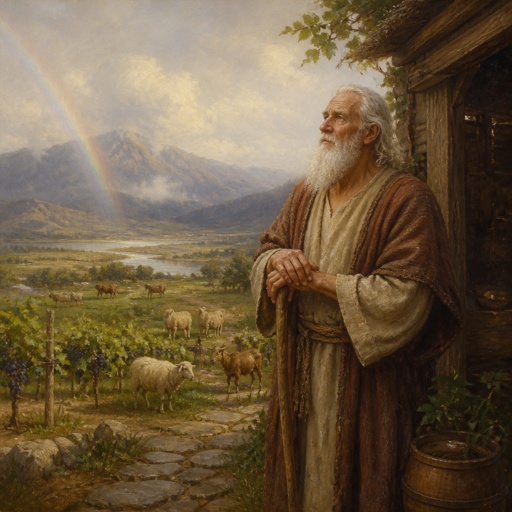
"¶ And Noah lived after the flood three hundred and fifty years." - Genesis 9:28

Genesis 28-15

Genesis 28-22

Genesis 28-12

Genesis 28-21

Genesis 28-16

Genesis 28-17

Genesis 28:18

Genesis 24:28

Genesis 28:18

Genesis 21:28

Genesis 28-20

Genesis 28-19

Genesis 28-11

Genesis 28-14

Genesis 28-13

Genesis 19-28

Genesis 28:10

Genesis 18-28

Genesis 10:28 - "And Obal, and Abimael, and Sheba,"

Genesis 36:28 - "The children of Dishan are these; Uz, and Aran."

Genesis 35:28 - "And the days of Isaac were an hundred and fourscore years."

Luke 9:28-45

Genesis 21:28 - "And Abraham set seven ewe lambs of the flock by themselves."

"And Obal, and Abimael, and Sheba," - Genesis 10:28

Genesis 5:28 - "¶ And Lamech lived an hundred eighty and two years, and begat a son:"