What does Genesis 29:32 mean?
"And Leah conceived, and bare a son, and she called his name Reuben: for she said, Surely the LORD hath looked upon my affliction; now therefore my husband will love me." - Genesis 29:32
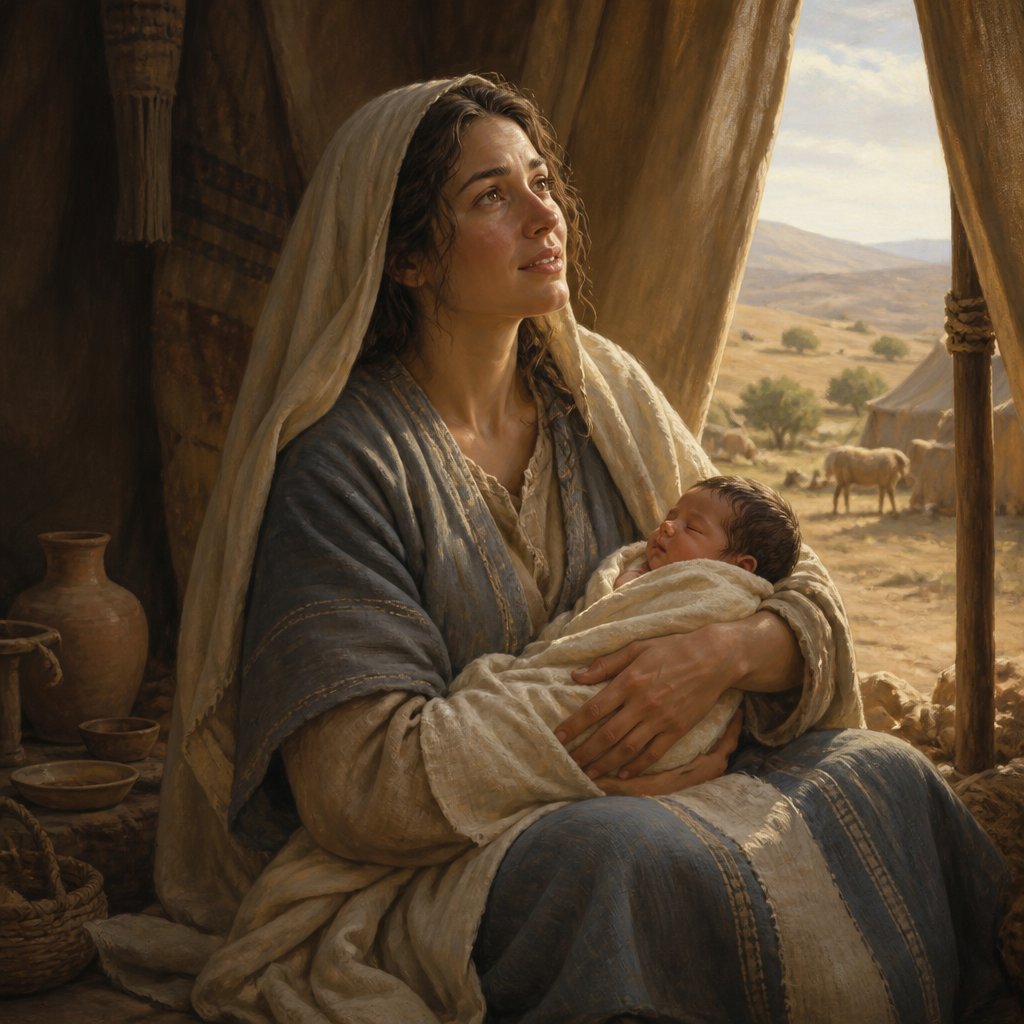
Genesis 29:32 (KJV): "And Leah conceived, and bare a son, and she called his name Reuben: for she said, Surely the Lord hath looked upon my affliction; now therefore my husband will love me."
This verse is a significant one in the book of Genesis, as it marks the birth of Reuben, the first son of Jacob and Leah. Its meaning delves deep into themes of love, family, and the faithfulness of God.
The context of this verse is important to understand its significance fully. Jacob had come to his uncle Laban's house in search of a wife, and he fell in love with Rachel, Laban's younger daughter. However, Laban tricked Jacob into marrying Leah, Rachel's older sister, first. Although Jacob eventually married Rachel as well, Leah was in a constant state of longing for her husband's love and affection. This verse follows her giving birth to Reuben, her first son, and her hope that this would finally earn her the love she desired from Jacob.
Leah's naming of her son Reuben is symbolic of her feelings and her faith in God's ability to see her suffering. The name Reuben means "behold, a son," and it signifies Leah's belief that the birth of her son would make Jacob look at her with favor and love. This reveals Leah's deep longing for acceptance and love from her husband, as well as her hope that her son would be the key to winning Jacob's affection.
Another significant theme in this verse is the faithfulness of God. Despite Leah's difficult circumstances and her feelings of rejection and unfulfilled longing, she acknowledges God's attentiveness to her affliction. In naming her son Reuben, she proclaims, "Surely the Lord hath looked upon my affliction." This demonstrates Leah's enduring faith in God's ability to see and understand her pain and suffering.
Furthermore, this verse reflects on the complexities of human relationships and the yearning for love and acceptance. Leah's deep desire for Jacob's love is a universal theme that many can relate to. Her desperation for love and her hope that her son would bring about a change in her marital relationship speaks to the human longing for validation and affection, which are fundamental needs in any family dynamic.
Symbolically, this verse also represents the struggle for recognition and significance. Leah's naming of her son is an act of asserting her worth and identity in the midst of her struggles. She is claiming her place in the family and making a statement that she, too, deserves love and attention.
In conclusion, Genesis 29:32 is a powerful verse that delves into the themes of love, faithfulness, and the complexities of human relationships. It portrays the deep longing for love and acceptance that is universal to all people, and it also highlights the unwavering faith in God's understanding of human suffering. The verse serves as a reminder of the importance of empathy, love, and understanding within families and the reliance on God's faithfulness in times of hardship.
Have questions about Genesis 29:32?
Dive deeper into this scripture with Bible Chat — an AI-powered tool for exploring God's Word through conversation. Ask questions, get context, and grow in your understanding of the Bible.
Get Our Apps


Genesis 29:32 Artwork

Genesis 29:32 - "And Leah conceived, and bare a son, and she called his name Reuben: for she said, Surely the LORD hath looked upon my affliction; now therefore my husband will love me."
"And Leah conceived, and bare a son, and she called his name Reuben: for she said, Surely the LORD hath looked upon my affliction; now therefore my husband will love me." - Genesis 29:32

Genesis 32:29 - "And Jacob asked him, and said, Tell me, I pray thee, thy name. And he said, Wherefore is it that thou dost ask after my name? And he blessed him there."

1 Kings 11:29-32

Genesis 19-32

Genesis 27:32

Genesis 25-32

Genesis 18-32

Genesis 24-32
Genesis 21-32

Deuteronomy 32:29 - "O that they were wise, that they understood this, that they would consider their latter end!"

Genesis 29:29 - "And Laban gave to Rachel his daughter Bilhah his handmaid to be her maid."

Genesis 29-2

Genesis 29-6

Genesis 29-5

Genesis 42:29

Genesis 29:1

Genesis 29-7

Genesis 18-29

Genesis 26:29

Genesis 19-29

Genesis 29-8

Genesis 29-3

Genesis 29-4

Genesis 21-29

Genesis 24-29

Numbers 29:32 - "¶ And on the seventh day seven bullocks, two rams, and fourteen lambs of the first year without blemish:"

Exodus 29:32 - "And Aaron and his sons shall eat the flesh of the ram, and the bread that is in the basket, by the door of the tabernacle of the congregation."

Genesis 29:16-35

Genesis 29:15-30