What does Genesis 29:26 mean?
“And Laban said, It must not be so done in our country, to give the younger before the firstborn.” — Genesis 29:26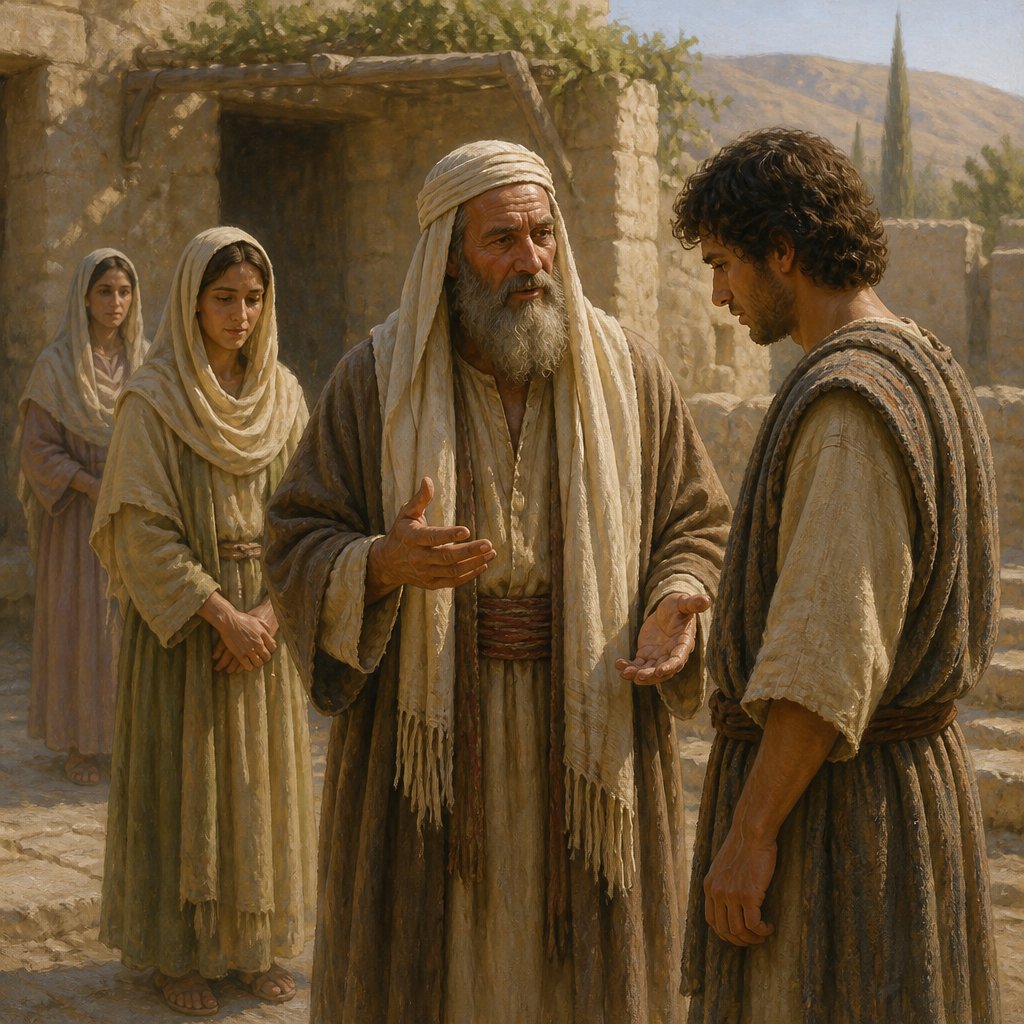
Genesis 29:26 (KJV) - "And Laban said, It must not be so done in our country, to give the younger before the firstborn."
The verse from the book of Genesis 29:26 highlights the complex and often tumultuous relationships within the family of Jacob, the son of Isaac and the grandson of Abraham. In this passage, Laban, the father of Rachel and Leah, objects to the cultural norm that Jacob should marry Rachel, the younger sister, before Leah, the elder sister. This verse is part of a larger narrative in Genesis that chronicles Jacob's time with Laban and his eventual marriages to Rachel and Leah.
The context of this verse is part of the larger biblical story centered on the founding fathers of the Israelite nation. Jacob, whose name later changed to Israel, is a central figure in the book of Genesis, and his relationships and descendants play a critical role in shaping the destiny of the Israelites. Genesis 29:26 is a small part of this larger story, but it holds significant thematic and symbolic meaning within the biblical narrative.
One of the key themes in this verse is the importance of tradition and cultural norms. Laban's objection to Jacob's desire to marry Rachel first is rooted in the societal customs and traditions of their time. In ancient Near Eastern cultures, the custom was for the firstborn daughter to be married before the younger daughter. Laban's insistence on upholding this tradition reflects the significance of social customs and expectations in shaping personal and family decisions. This theme invites readers to consider the impact of cultural norms on individual choices and the tension that can arise when personal desires conflict with societal expectations.
Furthermore, the verse also addresses the concept of justice and fairness. From Laban's perspective, it would be unjust to deviate from the established order of marriage, and he sees it as his duty to uphold the customary practice. This theme resonates with the broader biblical principle of justice and righteousness, suggesting that adherence to social norms and customs can be perceived as a form of justice in the ancient context. However, the verse also raises questions about the fairness of such traditions, especially in the case of Leah, who is overlooked and marginalized in the pursuit of upholding the cultural norm.
Symbolically, the verse represents the broader biblical motif of divine sovereignty and the unexpected ways in which God's plans unfold. Despite Laban's objection and the societal conventions of the time, it is ultimately God's will that is realized through the marriages of Jacob, Rachel, and Leah. This theme of divine providence and the subversion of human expectations runs throughout the book of Genesis and the Bible as a whole, reinforcing the idea that God's purposes cannot be thwarted by human conventions or limitations.
In conclusion, Genesis 29:26 carries significant thematic, contextual, and symbolic weight within the larger narrative of the book of Genesis. It invites readers to reflect on the tension between personal desires and societal expectations, the principles of justice and fairness, and the overarching sovereignty of God in shaping the course of human events. These themes resonate with the broader biblical message of the complex and often unpredictable ways in which God's plans are carried out in the lives of individuals and nations.
Get our apps


Artwork for Genesis 29:26

Genesis 29:26 - "And Laban said, It must not be so done in our country, to give the younger before the firstborn."
"And Laban said, It must not be so done in our country, to give the younger before the firstborn." - Genesis 29:26

Genesis 26:29
Genesis 26:29 - "That thou wilt do us no hurt, as we have not touched thee, and as we have done unto thee nothing but good, and have sent thee away in peace: thou art now the blessed of the LORD."

Proverb 29:26

Proverb 29:26
Proverb 29:26

Genesis 29:29 - "And Laban gave to Rachel his daughter Bilhah his handmaid to be her maid."

Genesis 29-2

Genesis 29-6

Genesis 29-5

Genesis 42:29

Genesis 29-7

Genesis 29:1

Genesis 18-29

Genesis 1:26

Genesis 1:26

Genesis 1:26

1 Corinthians 11:26-29

1 Corinthians 11:26-29

Genesis 29-3

Genesis 19-29

Genesis 29-8

Genesis 29-4

Genesis 21-29

Genesis 24-29

Genesis 1:26

2 Chronicles 29:26 - "And the Levites stood with the instruments of David, and the priests with the trumpets."

2 Chronicles 29:26 (KJVA) 26 And the Levites stood with the instruments of David, and the priests with the trumpets.

Genesis 29:16-35