What does Genesis 3:13 mean?
"And the LORD God said unto the woman, What is this that thou hast done? And the woman said, The serpent beguiled me, and I did eat." - Genesis 3:13
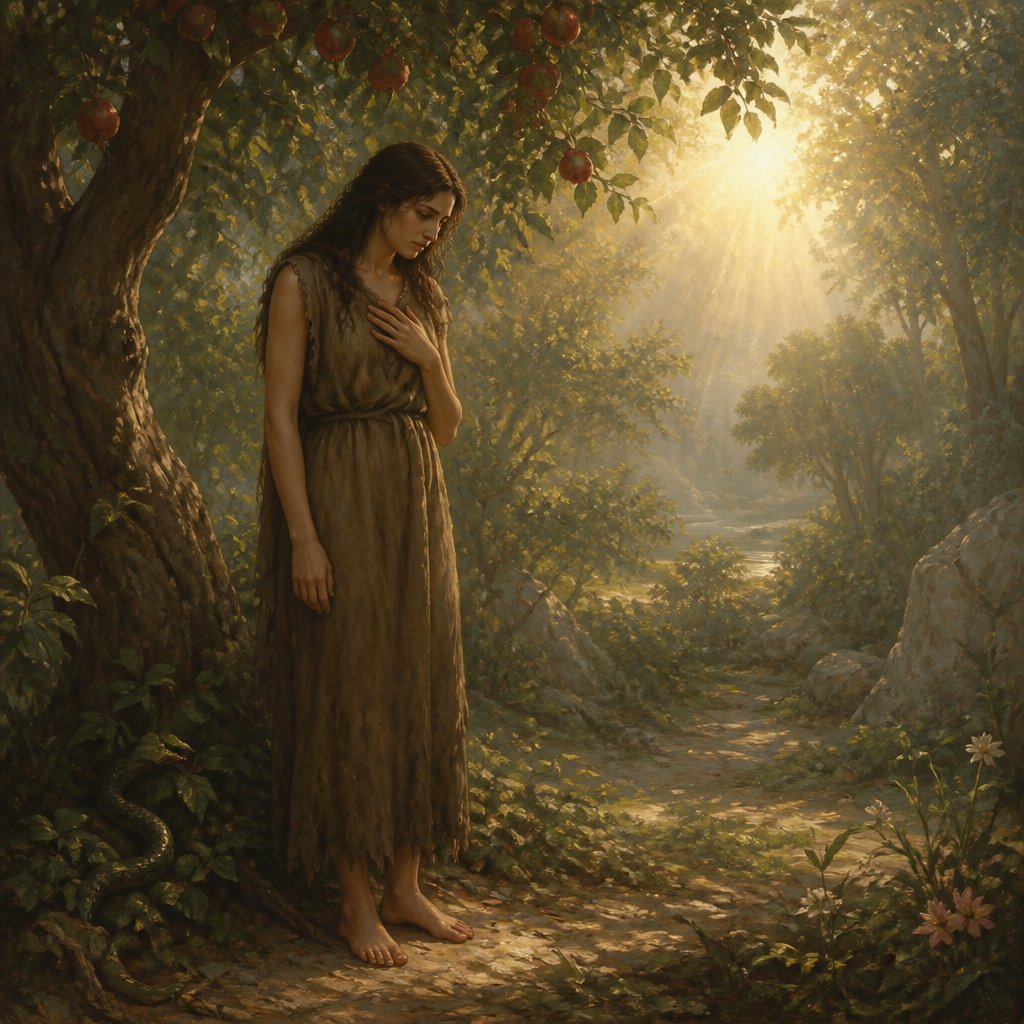
Genesis 3:13 in the King James Version of the Bible reads, "And the Lord God said unto the woman, What is this that thou hast done? And the woman said, The serpent beguiled me, and I did eat."
This verse comes from the well-known story of Adam and Eve in the Garden of Eden. This story is foundational to the Christian faith and has had a profound influence on Western culture. The themes and symbolism in this verse are rich and complex, providing insight into human nature, the consequences of sin, and the nature of God.
The verse begins with the Lord God addressing Eve, asking her what she has done. This question sets the stage for Eve to explain her actions and take responsibility for her disobedience. The fact that God specifically addresses Eve is significant, as it highlights the personal nature of God's relationship with his creation. He is not distant or aloof, but intimately involved in the lives of his people.
Eve's response reveals several important aspects of human nature. First, she acknowledges that she has sinned. She does not try to excuse her actions or shift the blame onto someone else. This demonstrates a sense of accountability and awareness of her own wrongdoing. However, she also points to the serpent as the one who deceived her. This reveals the influence of external forces on human behavior and the vulnerability of human beings to temptation and manipulation.
The serpent in this story represents the source of evil and temptation. Throughout the Bible, the serpent is used as a symbol of Satan, who seeks to lead people astray and separate them from God. The fact that Eve blames the serpent for her sin highlights the pervasive nature of evil and the constant battle between good and evil in the world.
This verse also illustrates the consequences of sin. In the verses preceding this one, God curses the serpent, the woman, and the man for their disobedience. The consequences include pain in childbirth, the subjugation of women to men, and the difficult labor of working the land. These consequences point to the pervasive impact of sin not only on the individual but on the entire created order.
One of the key themes in this verse is the nature of God. Despite the disobedience of Adam and Eve, God does not abandon them. Instead, he continues to engage with them, seeking their confession and offering them a path of redemption. This demonstrates God's mercy and desire for reconciliation with his people. It also foreshadows the ultimate redemption that will come through the sacrifice of Jesus Christ.
In a broader theological context, this verse also speaks to the fallen nature of humanity. It highlights our propensity for sin and our need for a savior. The story of Adam and Eve serves as a paradigm for the human condition, demonstrating our inclination towards disobedience and the consequences that result from it.
Overall, Genesis 3:13 is a rich and complex verse that speaks to the fundamental aspects of the human experience. It illuminates the nature of sin, the consequences of disobedience, and the character of God. It also points to the need for redemption and the hope of restoration through the mercy and grace of God. This verse continues to resonate with readers today, offering timeless insights into the human condition and the divine relationship with humanity.
Have questions about Genesis 3:13?
Dive deeper into this scripture with Bible Chat — an AI-powered tool for exploring God's Word through conversation. Ask questions, get context, and grow in your understanding of the Bible.
Get Our Apps


Genesis 3:13 Artwork

Genesis 3:13 - "And the LORD God said unto the woman, What is this that thou hast done? And the woman said, The serpent beguiled me, and I did eat."
"And the LORD God said unto the woman, What is this that thou hast done? And the woman said, The serpent beguiled me, and I did eat." - Genesis 3:13
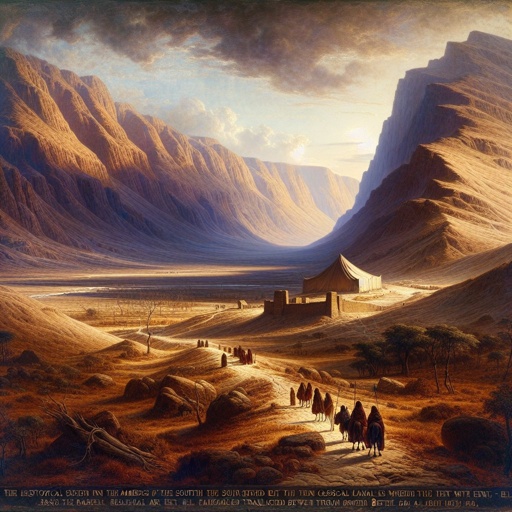
Genesis 13:3 - "And he went on his journeys from the south even to Beth-el, unto the place where his tent had been at the beginning, between Beth-el and Hai;"

Genesis 13:13 - "But the men of Sodom were wicked and sinners before the LORD exceedingly."

Genesis 19-13

Genesis 28-13

Genesis 21-13

Genesis 23-13

Genesis 17-13
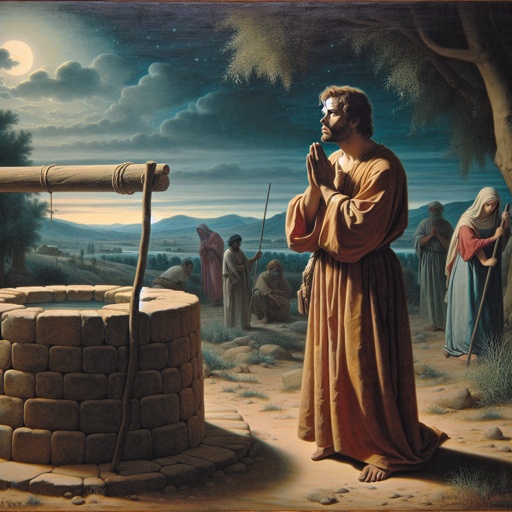
Genesis 24-13

Genesis 22-13

Genesis 20-13
Genesis 18-13

Genesis 25-13

Genesis 15:13

Genesis 13:10

Genesis 9:13

Genesis 16:13

Genesis 13:3 KJV And he went on his journeys from the south even to Beth–el, unto the place where his tent had been at the beginning, between Beth–el and Hai;

Genesis 3

Genesis 1:13 - "And the evening and the morning were the third day."

Genesis 3:8

Genesis 18-3
Genesis 19-3

Genesis 3:24

Genesis 3:8
Genesis 20-3

Genesis 16:3

Genesis 21-3

Genesis 24-3