What does Genesis 33:19 mean?
"And he bought a parcel of a field, where he had spread his tent, at the hand of the children of Hamor, Shechem’s father, for an hundred pieces of money." - Genesis 33:19
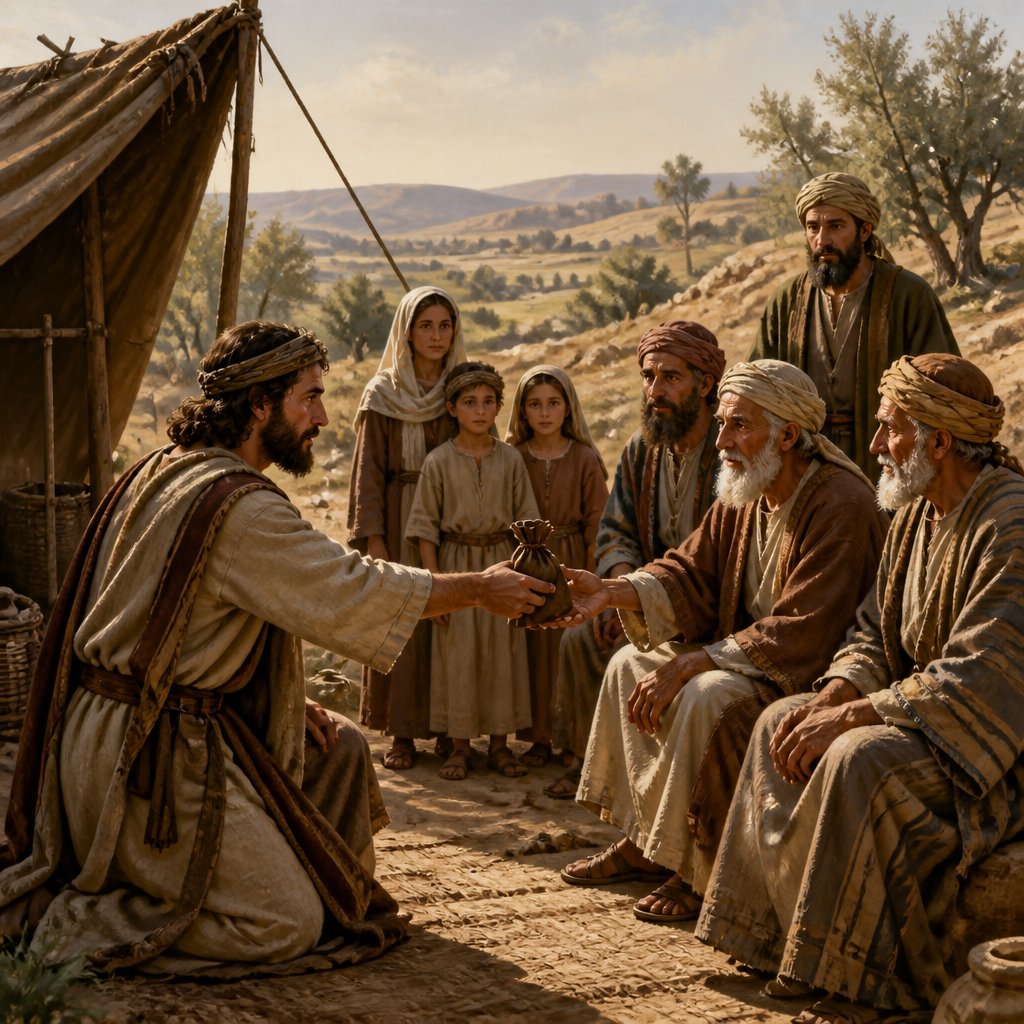
Genesis 33:19 in the King James Version of the Bible reads: "And he bought a parcel of a field, where he had spread his tent, at the hand of the children of Hamor, Shechem's father, for an hundred pieces of money."
This verse is a part of the larger narrative of Jacob's return to Canaan and his reconciliation with his brother Esau. The verse specifically focuses on Jacob's purchase of a parcel of land near the city of Shechem. This seemingly simple transaction holds deeper significance in the context of the larger biblical narrative, and it is worth exploring the themes, context, and symbolism at play in this verse.
The theme of land and inheritance is central to the biblical narrative, particularly in the book of Genesis. Land represents stability, security, and God's covenant promises to his people. In this verse, Jacob's purchase of the land near Shechem signifies his commitment to settling down and establishing roots in Canaan. It also serves as a way for Jacob to honor the memory of his ancestors, who had also dwelled in that land. This theme of land and inheritance is later revisited in the book of Joshua, as the Israelites divide the promised land among the twelve tribes.
The context of this verse is also crucial to understanding its significance. Jacob's relationship with the city of Shechem is complex and fraught with violence and betrayal. In Genesis 34, Jacob's daughter Dinah is violated by the prince of Shechem, leading to a brutal retaliation by Dinah's brothers. The purchase of the land near Shechem can be seen as Jacob's attempt to redeem the troubled history between his family and the city. It also serves as a physical representation of Jacob's desire for reconciliation and peace in the land.
Symbolism is also present in this verse, particularly in the act of purchasing the land itself. In ancient Near Eastern culture, land transactions were highly symbolic and often involved complex rituals and ceremonies. By purchasing the land from the sons of Hamor, the original inhabitants of Shechem, Jacob is not only asserting his legal right to the land but also participating in the cultural practices of the time. This act further reinforces Jacob's desire to integrate into the local community and establish harmonious relationships with his neighbors.
In a broader theological sense, the purchase of the land near Shechem can be seen as a foreshadowing of the Israelites' future possession of the promised land. Through this act, Jacob is setting a precedent for his descendants to honor and respect the land as a gift from God. The land becomes a tangible symbol of God's faithfulness and provision, and the act of purchasing it underscores the importance of stewardship and responsible ownership.
In conclusion, Genesis 33:19 may appear to be a straightforward account of a land purchase, but it holds layers of meaning within the larger biblical narrative. The themes of land and inheritance, the context of reconciliation and peace, and the symbolism of land ownership all contribute to the richness of this verse. Ultimately, Jacob's purchase of the land near Shechem serves as a powerful reminder of God's faithfulness and the importance of honoring the land as a sacred gift.
Have questions about Genesis 33:19?
Dive deeper into this scripture with Bible Chat — an AI-powered tool for exploring God's Word through conversation. Ask questions, get context, and grow in your understanding of the Bible.
Get Our Apps


Genesis 33:19 Artwork

Genesis 33:19 - "And he bought a parcel of a field, where he had spread his tent, at the hand of the children of Hamor, Shechem's father, for an hundred pieces of money."
"And he bought a parcel of a field, where he had spread his tent, at the hand of the children of Hamor, Shechem's father, for an hundred pieces of money." - Genesis 33:19

Genesis 19-33

Genesis 21-33

Genesis 18-33

Genesis 24-33

Genesis 25-33

Jeremiah 33:19 - "¶ And the word of the LORD came unto Jeremiah, saying,"

Numbers 33:19 - "And they departed from Rithmah, and pitched at Rimmon-parez."

Genesis 19-19

Genesis 33:6 - "Then the handmaidens came near, they and their children, and they bowed themselves."

Genesis 33:20 - "And he erected there an altar, and called it El-elohe-Israel."

Psalms 33:19 - "To deliver their soul from death, and to keep them alive in famine."

Genesis 33:16 - "¶ So Esau returned that day on his way unto Seir."

Leviticus 19:33 - "¶ And if a stranger sojourn with thee in your land, ye shall not vex him."

Genesis 36:33 - "And Bela died, and Jobab the son of Zerah of Bozrah reigned in his stead."

John 19:33 - "But when they came to Jesus, and saw that he was dead already, they brake not his legs:"

Genesis 21:33 - "¶ And Abraham planted a grove in Beer-sheba, and called there on the name of the LORD, the everlasting God."

Genesis 26:33 - "And he called it Shebah: therefore the name of the city is Beer-sheba unto this day."
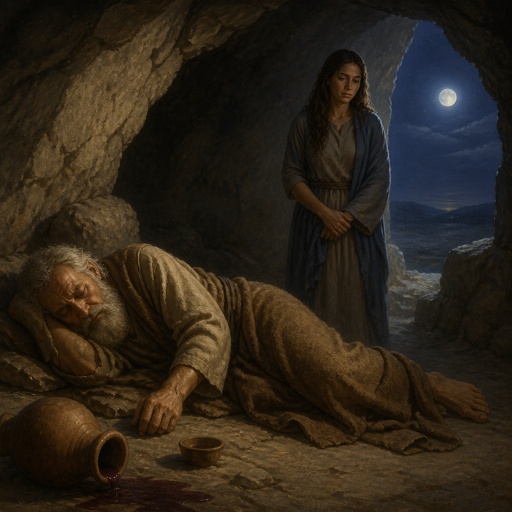
"And they made their father drink wine that night: and the firstborn went in, and lay with her father; and he perceived not when she lay down, nor when she arose." - Genesis 19:33

Luke 19:33 - "And as they were loosing the colt, the owners thereof said unto them, Why loose ye the colt?"

Job 33:19 - "He is chastened also with pain upon his bed, and the multitude of his bones with strong pain:"

Genesis 15:19

Genesis 23-19

Genesis 19-26

Genesis 19-13

Genesis 28-19

Genesis 19-31

Genesis 19-2

Genesis 19-29