What does Genesis 34:23 mean?
“Shall not their cattle and their substance and every beast of theirs be ours? only let us consent unto them, and they will dwell with us.” — Genesis 34:23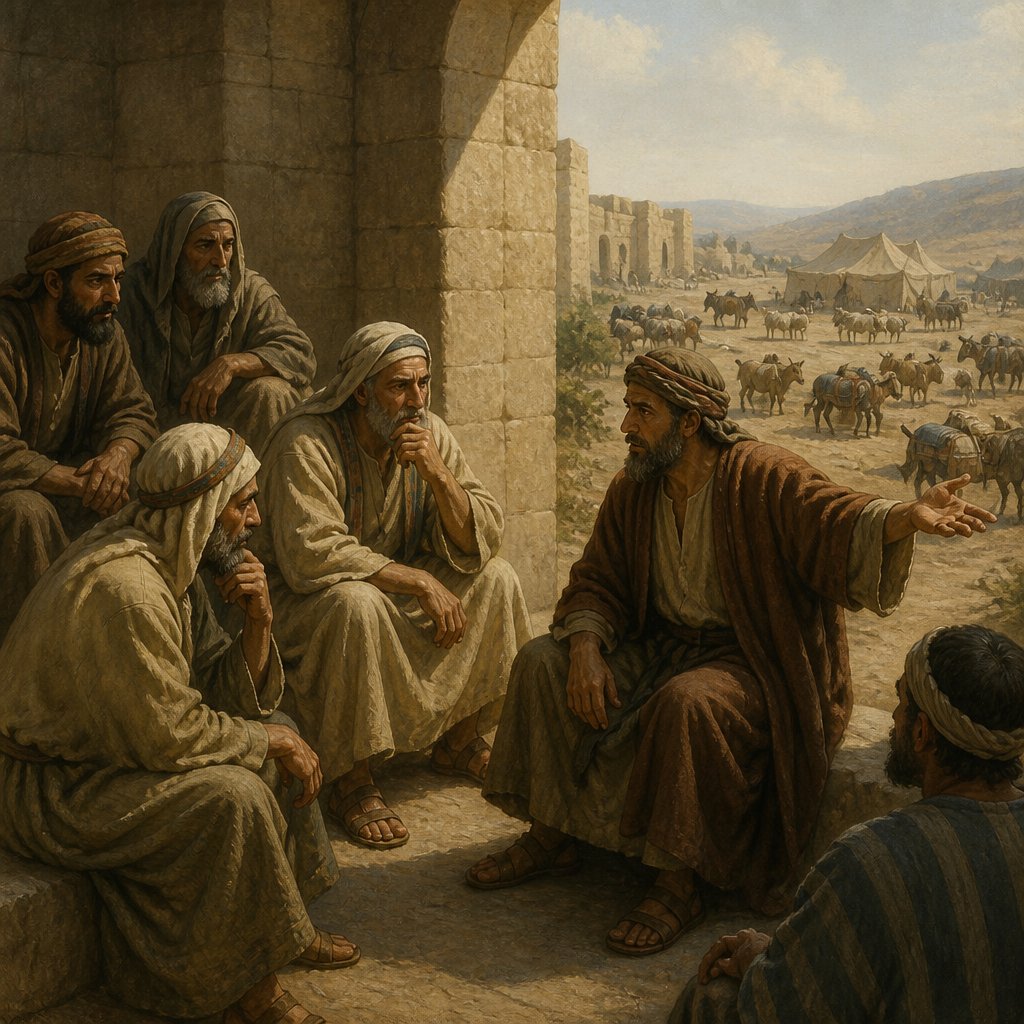
Genesis 34:23 (KJV) says, "Shall not their cattle and their substance and every beast of theirs be ours? only let us consent unto them, and they will dwell with us."
This verse is found in the Old Testament book of Genesis, which tells the story of the beginnings of humanity, including the story of Jacob and his family. Specifically, this verse is part of the narrative of the encounter between Jacob's daughter Dinah and Shechem, the son of Hamor. The verse itself is spoken by the sons of Jacob, who are responding to Shechem's proposal of marriage to Dinah.
The context of this verse is important to understand its meaning and significance. Dinah, the only daughter of Jacob, was the victim of sexual assault by Shechem, the son of a Hivite chieftain named Hamor. This event led to a series of negotiations and ultimately a violent retaliation by two of Dinah's brothers, Simeon and Levi. The verse in question is part of the conversation between the brothers and the Hivite men as they discuss the aftermath of the assault and its repercussions.
The verse reflects the attitude of Simeon and Levi, who are seeking retribution for their sister's violation. They are considering the proposal made by the Hivite men to intermarry and integrate their families, and they are deliberating over the potential material gain they could receive from such an arrangement. Their primary concern seems to be the well-being of their own possessions and wealth, as they are considering the proposal from a pragmatic, materialistic perspective.
One of the key themes in this verse is the concept of justice and revenge. The violation of Dinah was a grave offense, and Simeon and Levi were determined to seek retribution for their sister's honor. The verse reflects their desire to claim not only material compensation but also a sense of justice for the wrongs done to their family. This raises ethical questions about the appropriate response to wrongdoing and the role of revenge in seeking justice.
Additionally, the verse touches upon the themes of loyalty and tribal identity. Simeon and Levi are fiercely loyal to their family and are willing to take extreme measures to defend their honor and protect their interests. Their response to the situation reflects a strong sense of tribal identity and solidarity, as they prioritize the well-being of their own people over any potential benefit from forming alliances with outsiders.
The verse also holds symbolic significance in the larger narrative of the book of Genesis. It foreshadows the eventual division and dispersion of the twelve tribes of Israel, as well as the recurring themes of conflict and reconciliation within the family. The actions of Simeon and Levi in this particular episode have far-reaching consequences that affect the destiny of their descendants, highlighting the moral complexities and long-term implications of their decisions.
In conclusion, Genesis 34:23 (KJV) is a verse that captures the response of Simeon and Levi to the proposal made by the Hivite men following the violation of their sister Dinah. It reflects themes of justice, revenge, loyalty, and tribal identity, and holds symbolic significance in the broader narrative of the book of Genesis. The verse raises ethical and moral questions about the appropriate response to wrongdoing and the complexities of seeking retribution. It serves as a poignant reminder of the enduring impact of our actions and decisions, and the way they shape our destinies and relationships.
Get our apps


Artwork for Genesis 34:23

Genesis 34:23 - "Shall not their cattle and their substance and every beast of their's be our's? only let us consent unto them, and they will dwell with us."
"Shall not their cattle and their substance and every beast of their's be our's? only let us consent unto them, and they will dwell with us." - Genesis 34:23

Matthew 2:3-4

Matthew 2:3-4

Matthew 2:3-4

Matthew 2:3-4

Matthew 18:23-34

Matthew 18:23-34

Matthew 18:23-34

Genesis 21-34

Genesis 19-34

Genesis 24-34

Matthew 18:23-34

Genesis 21:34 - "And Abraham sojourned in the Philistines' land many days."

Genesis 34:18 - "And their words pleased Hamor, and Shechem Hamor's son."

Genesis 24:34 - "And he said, I am Abraham's servant."

Genesis 34:31 - "And they said, Should he deal with our sister as with an harlot?"
Numbers 34:23 - "The prince of the children of Joseph, for the tribe of the children of Manasseh, Hanniel the son of Ephod."

Genesis 36:34 - "And Jobab died, and Husham of the land of Temani reigned in his stead."

Genesis 34:28 - "They took their sheep, and their oxen, and their asses, and that which was in the city, and that which was in the field,"

2 Samuel 23:34 - "Eliphelet the son of Ahasbai, the son of the Maachathite, Eliam the son of Ahithophel the Gilonite,"

Genesis 30:34 - "And Laban said, Behold, I would it might be according to thy word."

Genesis 34:6 - "¶ And Hamor the father of Shechem went out unto Jacob to commune with him."

Proverbs 23:34 - "Yea, thou shalt be as he that lieth down in the midst of the sea, or as he that lieth upon the top of a mast."

Luke 23:34 - "¶ Then said Jesus, Father, forgive them; for they know not what they do. And they parted his raiment, and cast lots."

Genesis 34:15 - "But in this will we consent unto you: If ye will be as we be, that every male of you be circumcised;"

Genesis 23-19

Genesis 23-13

Genesis 23:11

Genesis 23-17