What does Genesis 34:31 mean?
“And they said, Should he deal with our sister as with an harlot?” — Genesis 34:31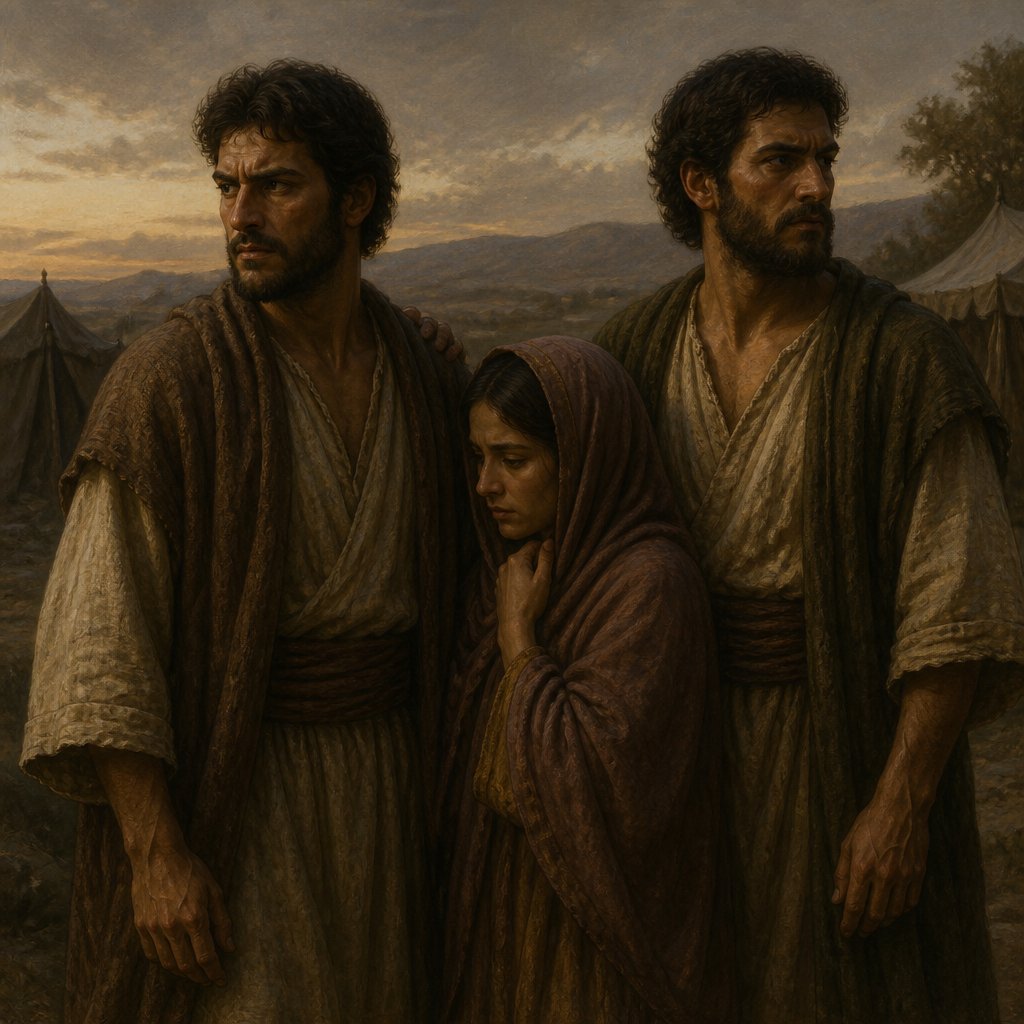
Genesis 34:31 (KJV) states, "And they said, Should he deal with our sister as with an harlot?"
This verse comes at the end of the tragic story of Dinah, the daughter of Jacob, who was violated by a Hivite prince named Shechem. The verse is part of the aftermath of the event, as Jacob's sons deceive Shechem and his people, killing them as punishment for the violation of their sister.
The story of Dinah's violation and the subsequent revenge by her brothers is a complex and troubling tale within the book of Genesis. This verse, in particular, raises questions about justice, the treatment of women, and the use of violence as a means of retribution. It also raises deeper theological and ethical questions about the actions of the characters involved and the implications of those actions.
The verse is spoken by Jacob's sons in response to their father's concern about the consequences of their violent actions. Their words reveal their anger and desire for justice, but they also raise questions about the treatment of Dinah and how her violation has been handled. By asking, "Should he deal with our sister as with a harlot?" the brothers are challenging the idea that their sister should be objectified and treated as a commodity. They are acknowledging the injustice done to her and are demanding recognition and reparation for the harm she has suffered.
In this verse, the themes of justice, honor, and the treatment of women in ancient society are brought to the forefront. The brothers' words reflect a deep concern for their sister's well-being and honor, and they are seeking to rectify the wrongs done to her. Their actions, while extreme, can be seen as an attempt to restore their family's honor and seek retribution for the dishonor inflicted upon them.
The verse also raises questions about the use of violence and revenge as a means of justice. While the brothers' actions are driven by a desire to protect their sister and seek justice for her, their use of deceit and violence raises ethical concerns. This raises questions about the appropriate response to wrongdoing and the consequences of seeking revenge. It also invites reflection on the cycle of violence and the potential for further harm to come from actions taken in the name of justice.
The context in which this verse is situated also sheds light on the power dynamics and cultural norms of the time. In ancient society, a woman's honor was closely linked to her family's reputation, and violations of that honor were seen as a grave offense. The brothers' actions can be seen as a response to the societal expectation to protect their family's honor and seek retribution for the dishonor done to them.
Symbolism in this verse can be seen in the contrast between the treatment of women as objects and the demand for justice and recognition of their dignity. The brothers' words challenge the idea that women can be treated as commodities or property and demand that their sister be treated with the honor and respect she deserves. This can be seen as a call for equal and just treatment of women, challenging the cultural norms of the time and demanding a reevaluation of societal attitudes towards women.
In conclusion, Genesis 34:31 is a thought-provoking verse that raises complex ethical, theological, and cultural questions. It challenges societal norms and attitudes towards women, calls into question the use of violence and revenge as a means of justice, and invites reflection on the complexities of human relationships and the pursuit of justice. It reminds us of the importance of recognizing the dignity and worth of every individual and the need to seek justice with wisdom and compassion.
Get our apps


Artwork for Genesis 34:31

Genesis 34:31 - "And they said, Should he deal with our sister as with an harlot?"
"And they said, Should he deal with our sister as with an harlot?" - Genesis 34:31

Genesis 31:34 - "Now Rachel had taken the images, and put them in the camel's furniture, and sat upon them. And Laban searched all the tent, but found them not."

Exodus 28:31-34

Mark 3:31-34

Exodus 28:31-34

Exodus 28:31-34
Numbers 31:34 - "And threescore and one thousand asses,"

Genesis 21-34

Genesis 19-34

Genesis 24-34
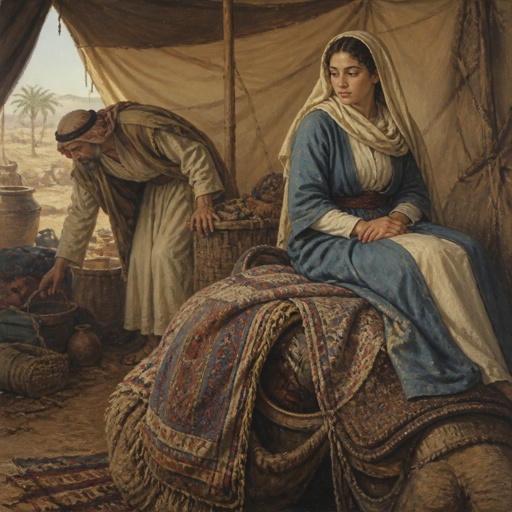
"Now Rachel had taken the images, and put them in the camel's furniture, and sat upon them. And Laban searched all the tent, but found them not." - Genesis 31:34

"And threescore and one thousand asses," - Numbers 31:34

Genesis 21-31

Genesis 18-31

Genesis 31:35

Genesis 19-31

Genesis 24-31

Job 34:31 - "Surely it is meet to be said unto God, I have borne chastisement, I will not offend any more:"

Exodus 34:31 - "And Moses called unto them; and Aaron and all the rulers of the congregation returned unto him: and Moses talked with them."

Genesis 21:34 - "And Abraham sojourned in the Philistines' land many days."

Ezekiel 34:31 - "And ye my flock, the flock of my pasture, are men, and I am your God, saith the Lord GOD."

Genesis 34:18 - "And their words pleased Hamor, and Shechem Hamor's son."

Genesis 24:34 - "And he said, I am Abraham's servant."

Genesis 36:34 - "And Jobab died, and Husham of the land of Temani reigned in his stead."

Genesis 34:28 - "They took their sheep, and their oxen, and their asses, and that which was in the city, and that which was in the field,"
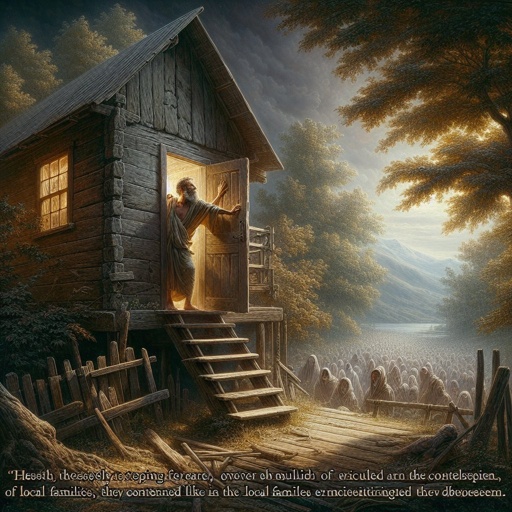
Job 31:34 - "Did I fear a great multitude, or did the contempt of families terrify me, that I kept silence, and went not out of the door?"

Genesis 31:22 - "And it was told Laban on the third day that Jacob was fled."

Genesis 31:45 - "And Jacob took a stone, and set it up for a pillar."

Genesis 31:47 - "And Laban called it Jegarsahadutha: but Jacob called it Galeed."