What does Genesis 35:10 mean?
"And God said unto him, Thy name is Jacob: thy name shall not be called any more Jacob, but Israel shall be thy name: and he called his name Israel." - Genesis 35:10
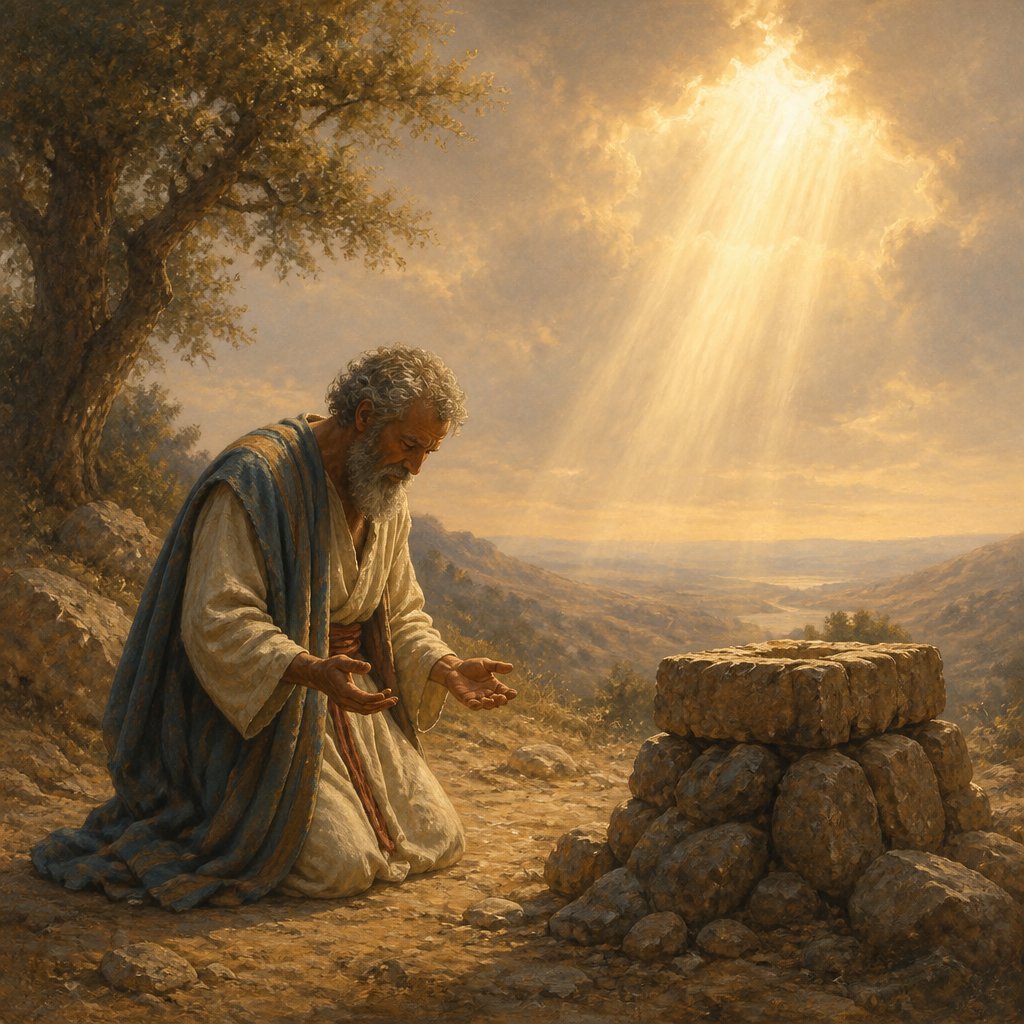
Genesis 35:10 (KJV) states, "And God said unto him, Thy name is Jacob: thy name shall not be called any more Jacob, but Israel shall be thy name: and he called his name Israel." This verse is significant in the biblical narrative as it represents a pivotal moment in the life of Jacob, who is later known as Israel.
In order to fully understand the meaning and commentary of Genesis 35:10, it is important to provide some contextual background. Jacob was the son of Isaac and the grandson of Abraham, and he was born as a twin with his brother Esau. From a young age, Jacob was known for his deceitful and cunning nature. He tricked his brother Esau into selling his birthright for a bowl of stew, and later deceived his father Isaac in order to receive the blessing that rightfully belonged to Esau. As a result, Jacob had to flee from his home to escape Esau's wrath.
During his years away from home, Jacob encountered God in a powerful way. In Genesis 28, Jacob experienced a dream in which God reaffirmed the Abrahamic covenant and promised to be with him wherever he went. This encounter led Jacob to set up a pillar and declare the place to be the house of God. From this moment on, Jacob's life began to change as he embarked on a journey of faith and transformation.
Genesis 35:10 occurs later in Jacob's life, after he has returned to his homeland and reconciled with his brother Esau. At this point, Jacob is about to encounter God once again in a significant way. God speaks to him and declares that his name is no longer Jacob, but Israel. This change of name signifies a change of character and identity for Jacob. The name Jacob means "he deceives" or "supplanter," reflecting his deceitful nature and past actions. On the other hand, the name Israel means "he struggles with God" or "God prevails." This new name reflects a new identity and transformation in Jacob's life.
The significance of this name change cannot be understated. It represents a turning point in Jacob's spiritual journey, marking the moment when he is no longer defined by his past actions and nature, but by his encounter and struggle with God. This struggle is not just a physical wrestling match, as depicted in Genesis 32, but a spiritual struggle and transformation that leads to a new understanding of himself and his relationship with God. Jacob's new name, Israel, reflects his new status as the father of the twelve tribes of Israel and the chosen people of God.
The themes present in Genesis 35:10 are transformation, identity, and divine encounter. Jacob's name change represents a transformation from his former self to a new identity in God. This transformation is not something that Jacob accomplished on his own, but it was a result of his encounter with God and the divine struggle he experienced. This struggle and transformation serve as a powerful reminder that God has the power to change and renew us, regardless of our past or present circumstances. It also serves as a reminder that our true identity is found in our relationship with God and His purposes for our lives.
The symbolism in Genesis 35:10 extends beyond just the name change. It symbolizes the larger theme of God's redemptive work in the lives of His people. Jacob's transformation into Israel serves as a foreshadowing of the transformation that God desires for all believers. It is a reminder that God can take our brokenness and shortcomings and turn them into something beautiful and purposeful.
In conclusion, Genesis 35:10 is a powerful and meaningful verse that marks a significant moment in the biblical narrative. It demonstrates the transformative power of God in the life of Jacob, and by extension, in the lives of all believers. This verse serves as a reminder that our identity is found in our relationship with God and His redemptive work in our lives. It also serves as a symbol of hope and encouragement, reminding us that God has the power to transform us and use us for His purposes, despite our past mistakes and shortcomings.
Have questions about Genesis 35:10?
Dive deeper into this scripture with Bible Chat — an AI-powered tool for exploring God's Word through conversation. Ask questions, get context, and grow in your understanding of the Bible.
Get Our Apps


Genesis 35:10 Artwork

Genesis 35:10 - "And God said unto him, Thy name is Jacob: thy name shall not be called any more Jacob, but Israel shall be thy name: and he called his name Israel."
"And God said unto him, Thy name is Jacob: thy name shall not be called any more Jacob, but Israel shall be thy name: and he called his name Israel." - Genesis 35:10

Genesis 26:35

Genesis 19-35

Genesis 31:35

Genesis 24-35

Genesis 35:16-20

genesis 26:1-35

Genesis 29:16-35

Genesis 35:24 - "The sons of Rachel; Joseph, and Benjamin:"

Genesis 35:25 - "And the sons of Bilhah, Rachel's handmaid; Dan, and Naphtali:"

Genesis 35:28 - "And the days of Isaac were an hundred and fourscore years."

Isaiah 35:8-10

2 Chronicles 35:10

Mark 10:35-45

Mark 10:35-45

Ezra 10:35 - "Benaiah, Bedeiah, Chelluh,"

Mark 10:35-45

Mark 10:35-45

Genesis 26:35 - "Which were a grief of mind unto Isaac and to Rebekah."

Genesis 35:19 - "And Rachel died, and was buried in the way to Ephrath, which is Beth-lehem."

Genesis 35:21 - "¶ And Israel journeyed, and spread his tent beyond the tower of Edar."

"The sons of Rachel; Joseph, and Benjamin:" - Genesis 35:24

Genesis 35:15 - "And Jacob called the name of the place where God spake with him, Beth-el."

Genesis 35:23 - "The sons of Leah; Reuben, Jacob's firstborn, and Simeon, and Levi, and Judah, and Issachar, and Zebulun:"

Genesis 35:13 - "And God went up from him in the place where he talked with him."

Genesis 27:35 - "And he said, Thy brother came with subtilty, and hath taken away thy blessing."

Genesis 35:20 - "And Jacob set a pillar upon her grave: that is the pillar of Rachel's grave unto this day."

"Benaiah, Bedeiah, Chelluh," - Ezra 10:35

Acts 10:35 - "But in every nation he that feareth him, and worketh righteousness, is accepted with him."