What does Genesis 35:25 mean?
“And the sons of Bilhah, Rachel’s handmaid; Dan, and Naphtali:” — Genesis 35:25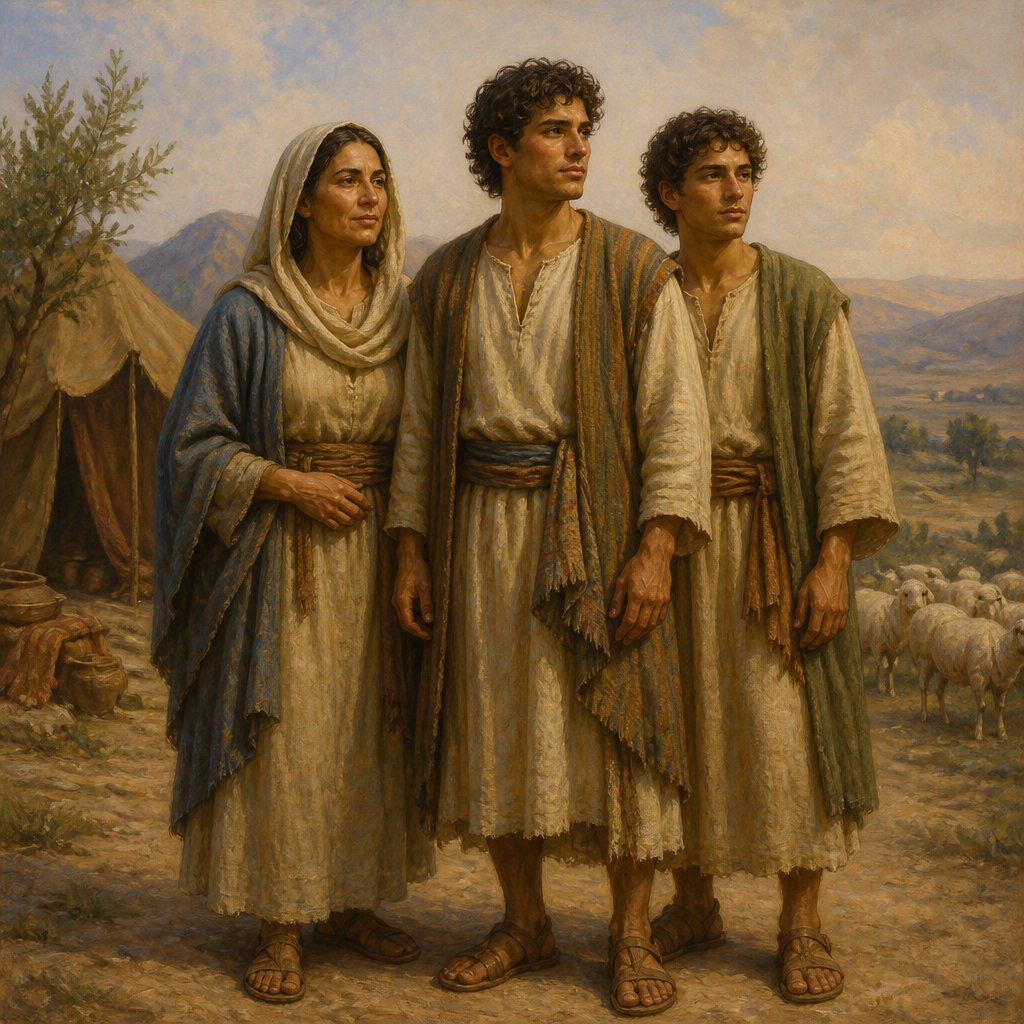
Genesis 35:25 in the King James Version reads, "And the sons of Bilhah, Rachel's handmaid; Dan, and Naphtali:"
This short verse is part of the genealogy of Jacob's twelve sons, who would go on to become the twelve tribes of Israel. The verse specifically mentions the sons of Bilhah, who was Rachel's handmaid. Dan and Naphtali were born to Jacob through Bilhah, and they hold significance in the biblical narrative.
Contextually, this verse comes at a pivotal moment in the book of Genesis. Jacob, who was also known as Israel, had just returned to Bethel with his family after a tumultuous period of conflict and hardship. This return to Bethel was a significant moment for Jacob, as it was the place where he had originally encountered God and received the promise of blessing and protection. However, the journey back to Bethel was not without its challenges, as Jacob's daughter Dinah had been violated, causing friction and conflict with the surrounding people. In the midst of this turmoil, Jacob sought to purify his household and reaffirm his commitment to God, prompting him to instruct his entire household to rid themselves of their idols and to "put on clean garments" (Genesis 35:2).
It is within this context that we encounter the mention of Dan and Naphtali, the sons of Bilhah. Their presence in the genealogy of Israel holds spiritual and symbolic significance. Throughout the Bible, genealogies serve as a reminder of God's faithfulness to His promises and His chosen people. In this case, the inclusion of Dan and Naphtali in the genealogy of Israel highlights the fulfillment of God's covenant with Jacob and his descendants. Despite the challenges and difficulties faced by the family, God remained faithful to His promise to make them into a great nation.
Furthermore, the names of Dan and Naphtali carry symbolic weight. The name Dan means "judge" or "he judged," while the name Naphtali means "wrestling" or "struggle." These names reflect the circumstances surrounding their births and the challenges faced by their mother, Bilhah. They also foreshadow the future struggles and conflicts that the tribes of Dan and Naphtali would face. The name Dan suggests a role in administering justice, while the name Naphtali alludes to the struggle and perseverance that would characterize this tribe.
In a broader theological sense, this verse emphasizes the sovereignty of God in the unfolding of history and His faithfulness to His people. The inclusion of Dan and Naphtali in the genealogy of Israel serves as a reminder of God's redemptive plan for His chosen people, despite the imperfections and challenges that they faced. It also underscores the importance of acknowledging the full spectrum of human experience and the complexities of family dynamics within the biblical narrative.
Ultimately, Genesis 35:25 is a small but significant piece of the larger biblical narrative, demonstrating the intricate ways in which God's plan unfolds through the lives of individuals and their descendants. The verse encourages readers to consider the broader themes of faithfulness, redemption, and the sovereignty of God as they reflect on the historical and theological implications of this genealogical record.
Get our apps


Artwork for Genesis 35:25

Genesis 35:25 - "And the sons of Bilhah, Rachel's handmaid; Dan, and Naphtali:"
"And the sons of Bilhah, Rachel's handmaid; Dan, and Naphtali:" - Genesis 35:25

Genesis 19-35

Genesis 26:35

Genesis 31:35

Genesis 24-35

genesis 26:1-35

Genesis 35:16-20

Genesis 29:16-35

Genesis 25:25

Genesis 35:24 - "The sons of Rachel; Joseph, and Benjamin:"

Jeremiah 25:35 - "And the shepherds shall have no way to flee, nor the principal of the flock to escape."

Genesis 35:28 - "And the days of Isaac were an hundred and fourscore years."

Genesis 26:35 - "Which were a grief of mind unto Isaac and to Rebekah."

Genesis 35:19 - "And Rachel died, and was buried in the way to Ephrath, which is Beth-lehem."

Genesis 35:21 - "¶ And Israel journeyed, and spread his tent beyond the tower of Edar."

Genesis 1:1-25

Genesis 1:1-25

Genesis 1:1-25

"The sons of Rachel; Joseph, and Benjamin:" - Genesis 35:24

Genesis 35:15 - "And Jacob called the name of the place where God spake with him, Beth-el."

Genesis 25-18

Genesis 25-24

Genesis 25-2

Genesis 25-7

Genesis 25-23

Genesis 25-14

Genesis 50:25

Genesis 25:1

Genesis 26:25